
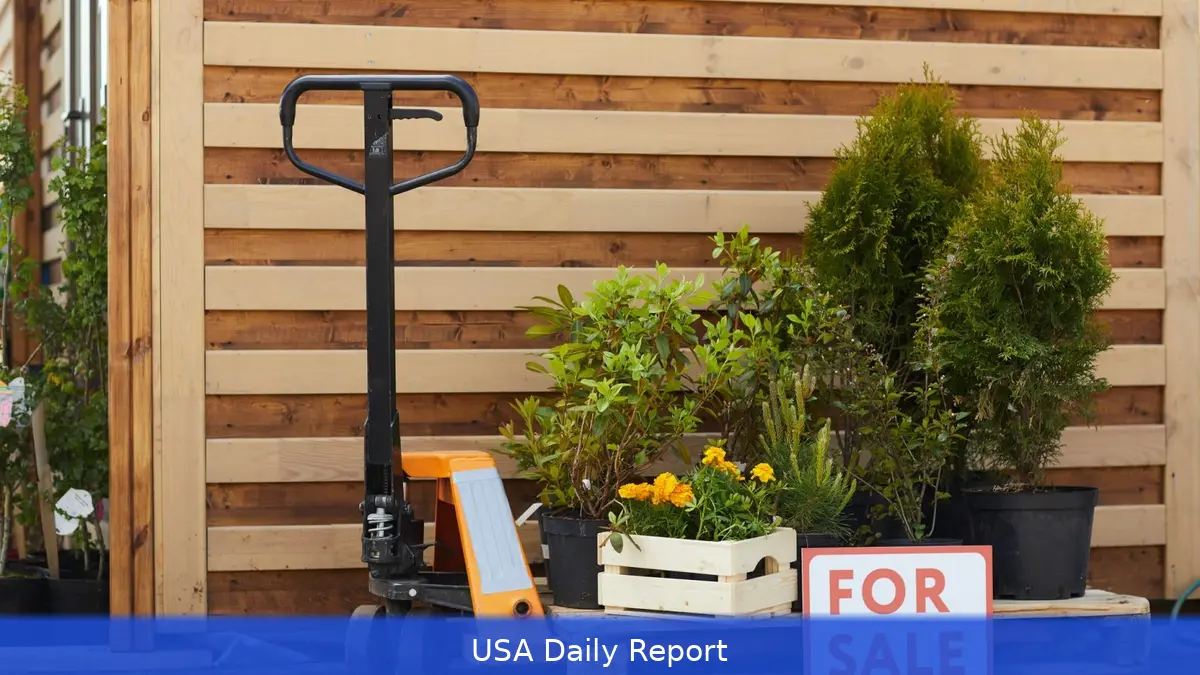
If you want to find great garden centres nearby in 2026, you can choose from big chains or local independents. The US has lots of options for gardeners of all kinds. These centres sell seasonal plants, offer advice, and carry tools and garden décor to help you build your ideal garden. Here’s a list of top garden centres across the country to match different gardening styles and budgets.
Quick Comparison: Top US Garden Centres 2026
- 1. The Home Depot Garden Centre: Largest chain, wide plant variety, competitive prices, online ordering with in-store pickup.
- 2. Lowe’s Garden Centre: Reliable chain, good for tools and outdoor equipment, strong lawn care focus.
- 3. Armstrong Garden Centers: Strong presence in California, premium plants, expert staff and landscaping services.
- 4. Pike Nurseries: Southeast focus, excellent seasonal promotions, wide selection of native plants.
- 5. Terrain: Stylish plants and garden décor, upscale feel, curated outdoor living products.
- 6. Green Acres Nursery & Supply: Independent, Seattle-based, eco-friendly, specializes in native and drought-tolerant plants.
- 7. Logee’s Greenhouse: Rare tropical plants, family-owned since 1892, mail-order options available.
- 8. Bluestone Perennials: Midwest specialist, perennial experts, offers detailed plant care guides.
- 9. Plant Delights Nursery: Unique and rare perennials, North Carolina, focuses on hybrid varieties.
- 10. Local Independent Nurseries: Personalized service, community rooted, often with expert horticulturists on staff.
1. The Home Depot Garden Centre
Key Features: With over 2,200 locations nationwide, The Home Depot offers one of the largest garden centre networks in the US. Their plant selection covers everything from annual flowers and vegetable starts to shrubs and mature trees. The chain also stocks a full range of gardening tools, fertilizers, pest control products, and soil amendments. Customers can order plants and supplies online and pick them up in-store, which makes shopping easier. In spring and summer, they often run sales with discounts up to 25% on certain plants and tools.
Pros: Open year-round in most locations, making it easy to shop any season. The wide variety suits casual gardeners and DIY landscapers alike. Frequent promotions and a price match guarantee help keep costs competitive. The staff usually know their stuff, and some locations hold gardening workshops. Ordering online and picking up nearby helps busy customers save time.
Cons: Popular stores can get crowded during peak gardening months, especially March through June. Plant quality and stock can vary widely between locations; some customers report inconsistent care leading to stressed plants. While prices are competitive, expert gardeners might find limited selection of rare or specialty plants. The big-box format lacks the personalized service of smaller nurseries.
Best For: Casual gardeners, homeowners looking for convenience, and those needing a one-stop shop for plants, tools, and landscaping supplies.
Pricing: Annual flowers start at around $5 per pot. Vegetable starts typically range from $3 to $8. Garden gloves start at $7, basic spades and shovels begin at $20, while more advanced tools like pruners and tillers range up to $80. Fertilizers and soil amendments vary widely, with bags typically priced from $8 to $25.
2. Lowe’s Garden Centre
Key Features: Lowe’s operates over 1,700 stores across the US, offering an extensive selection of plants including perennials, shrubs, trees, and seasonal annuals. The garden centres also focus heavily on lawn care products such as fertilizers, grass seed, and pest control. Lowe’s carries a broad range of gardening tools and outdoor equipment, including lawn mowers and irrigation supplies. Their online store supports curbside pickup and home delivery options.
Pros: Staff are known to be friendly and helpful, often providing sound advice on plant care and landscaping projects. Seasonal promotions include discounts on bulk soil and mulch, which appeal to larger-scale gardeners. The tool selection is solid with trusted brands available. Lots of stores host gardening workshops and community events in spring and summer. Online inventory is updated regularly, helping customers find what they need before visiting.
Cons: As with many big chains, the quality and stock vary depending on the store. Some shoppers note that the plant selection in smaller stores is limited compared to larger urban locations. Prices on some premium tools and equipment can be higher than specialty stores. The large store format means less personalized service, and some customers find staff knowledge varies.
Best For: Homeowners focused on lawn care and landscaping, gardeners wanting reliable tools, and those who value convenient shopping with multiple fulfillment options.
Pricing: Annual plants usually start at $4.50, perennials range from $8 to $15. Lawn fertilizers and grass seed bags cost between $10 and $30. Basic gloves and hand tools are priced from $6 to $25, while larger equipment like lawn mowers start around $150 and can go up to $600 for premium models.
3. Armstrong Garden Centers
Key Features: Armstrong Garden Centers is a California-based chain with over 30 locations mainly in the western US. They specialize in premium plants, including many native California species and drought-tolerant varieties. Armstrong offers landscaping design services, expert staff consultations, and gardening classes. Their stores feature high-quality garden décor, planters, and outdoor furniture.
Pros: Expert staff with strong horticultural knowledge, particularly on native plants, makes Armstrong a go-to for serious gardeners in California. Their focus on sustainable gardening and water-wise plants is a boon for drought-prone areas. The landscaping services and plant care advice add value for customers looking to enhance their outdoor spaces. Seasonal sales and loyalty programs provide good savings.
Cons: Limited primarily to California and a few western states, so not accessible for most US gardeners. Prices tend to be higher than big-box chains, reflecting the premium plant quality and expert service. Smaller selection of common annuals compared to larger chains.
Best For: Gardeners in California seeking native and drought-resistant plants, and customers wanting expert advice and landscaping help.
Pricing: Premium perennials and shrubs typically start around $15 and can go up to $50 or more for mature specimens. Seasonal annuals range from $6 to $12. Garden accessories and décor items vary widely, with planters starting at $20 and outdoor furniture sets ranging from $200 to $1,000.
4. Pike Nurseries
Key Features: Pike Nurseries is a family-owned chain with over 20 locations mainly across the southeastern US. They focus on seasonal plants, native species, and offer a large selection of vegetable and herb starts. Pike is known for its strong seasonal promotions, including spring and fall plant sales, and frequent discounts on bulk mulch and soil.
Pros: Excellent seasonal discounts help gardeners get more for their money. The chain’s focus on native and regionally adapted plants supports sustainable gardening practices in the Southeast’s humid climate. Staff are knowledgeable and often provide planting advice tailored to the local environment. Pike also stocks many garden tools and outdoor décor.
Cons: Limited geographic range with no locations outside the Southeast. Some shoppers report that plant availability can be limited in winter months. Pricing is competitive but not the lowest compared to mass-market chains. The store sizes are smaller, so less variety in tools and equipment.
Best For: Gardeners in the Southeast looking for native plants and good seasonal deals, plus those wanting expert local advice.
Thing is, pricing: Annuals start around $4.50, vegetable starts typically $3 to $6. Bulk mulch and soil bags are priced between $4 and $7 each, with discounts on larger purchases. Tools range from $5 for hand tools to $50 for power equipment accessories.

5. Terrain
Key Features: Terrain is an upscale garden centre and lifestyle brand with locations mainly in the Northeast and parts of California. They offer a curated selection of stylish plants, rare flowers, and unique garden décor. Terrain blends gardening with home and outdoor living products, including furniture, planters, and decorative accents.
Pros: Unique, high-quality plants and décor appeal to gardeners looking for something special and artistic. The stores provide an upscale shopping experience with well-designed displays and expert staff. Terrain offers workshops and events focused on garden design and creativity. Their online store ships nationwide, including fragile plants with professional packaging.
Cons: Prices are higher than mass-market garden centres, reflecting the premium branding and curated selection. Limited physical locations restrict access for many shoppers. The focus on aesthetics means less emphasis on bulk gardening supplies and tools.
Best For: Gardeners and home decorators seeking stylish plants and upscale outdoor living products, plus those who enjoy creative workshops.
Pricing: Rare plants start around $20 and can exceed $100 for specialty varieties. Standard perennials and shrubs usually range from $15 to $40. Garden décor items such as planters and lanterns start at $30, with furniture pieces ranging from $150 to over $1,000.
6. Green Acres Nursery & Supply
Key Features: Green Acres is an independent nursery chain based in Seattle with four locations. They emphasize eco-friendly gardening, native plants, and drought-tolerant species suited to the Pacific Northwest. Green Acres offers organic fertilizers, compost, and sustainable gardening supplies. Their staff includes experienced horticulturists who provide detailed planting advice.
Pros: Strong commitment to sustainability and native plants supports environmentally conscious gardeners. Expert staff help customers select plants suited to local climate and soil. The nurseries provide workshops on organic gardening, composting, and water conservation. The independent nature means a more personalized shopping experience compared to big-box stores.
Cons: Limited to the Seattle area, so not accessible nationwide. Prices on some specialty plants and organic products are higher than at chains. Smaller store sizes mean less variety in tools and bulk supplies.
Best For: Pacific Northwest gardeners focused on sustainable, native, and eco-friendly gardening practices.
Pricing: Native perennials start around $10, shrubs from $20 to $40. Organic soil amendments and fertilizers range from $12 to $30 per bag. Garden tools typically start at $8 for hand tools, with some premium gear priced above $50.
7. Logee’s Greenhouse
Key Features: Logee’s Greenhouse is a family-owned business operating since 1892, specializing in rare tropical and subtropical plants. Located in Connecticut, they serve gardeners nationwide via mail order with carefully packaged plants. Their collection includes exotic fruit trees, unusual houseplants, and blooming tropicals.
Pros: Exceptional selection of rare and hard-to-find tropical plants. Over a century of expertise in cultivating and shipping delicate species. Detailed care guides accompany purchases, helping customers succeed with uncommon plants. The mail order option makes tropical gardening accessible across the US.
Cons: Focused on tropical plants only, so not a one-stop shop for general gardening needs. Prices are higher due to the rarity and shipping care required. Limited physical retail presence beyond their Connecticut greenhouse.
Best For: Enthusiasts seeking rare tropical plants and houseplants, especially those interested in exotic fruit trees or unusual blooms.
Pricing: Small tropical plants start around $15, with mature specimens and rare varieties ranging from $50 to over $200. Shipping fees vary by size and destination, typically $10 to $30.
8. Bluestone Perennials
Key Features: Bluestone Perennials is a specialist perennial nursery based in Ohio, serving gardeners throughout the Midwest and beyond. They focus on hardy perennials suited to colder climates and provide extensive plant care information. Bluestone offers mail order sales with seasonal catalogs.
Pros: Expertise in perennials adapted to Midwestern weather conditions. Comprehensive care guides help gardeners successfully grow and maintain plants. Mail order service extends access beyond Ohio, with plants shipped in spring and fall. The nursery emphasizes sustainable growing practices.
Basically, cons: Specialty focus on perennials means limited selection of annuals, shrubs, or trees. Shipping windows are seasonal, so availability can be limited outside of spring and fall. Smaller scale than big national chains.
Best For: Gardeners in the Midwest seeking hardy perennial plants and detailed growing advice.
Pricing: Perennials typically range from $12 to $25. Shipping costs depend on order size and distance, generally $15 to $40. Bulk discounts available for larger orders.
9. Plant Delights Nursery
Key Features: Based in North Carolina, Plant Delights Nursery specializes in unique, rare, and hybrid perennials. They focus on breeding new varieties and conservation of endangered species. Plant Delights offers an extensive mail order catalog and seasonal on-site plant sales.
Pros: Wide selection of unusual and hard-to-find perennials. Commitment to plant conservation and breeding adds to biodiversity. Expert staff provide detailed plant descriptions and care instructions. Mail order system is efficient and customer-friendly.
Cons: Prices tend to be higher due to rarity and hybridization efforts. Focused mainly on perennial plants, so less variety for gardeners seeking a broader range. On-site sales limited to North Carolina.
Best For: Dedicated gardeners and collectors looking for rare and unique perennials, plus those interested in plant conservation.
Pricing: Rare perennials start around $18, hybrids and specialty plants can reach $50 or more. Shipping fees vary, typically between $12 and $35 depending on order size.
10. Local Independent Nurseries
Key Features: Across the US, thousands of local independent nurseries offer personalized service, locally adapted plants, and community-focused gardening support. These nurseries often have expert horticulturists on staff and provide advice tailored to regional climates and soils.
Pros: Personalized attention and expert guidance help gardeners choose the right plants. Local nurseries usually stock regionally appropriate plants, reducing water and care needs. Many support local ecosystems by offering native species and organic products. Community involvement through workshops, plant swaps, and events strengthens local gardening culture.
Cons: Smaller scale means less variety in tools and bulk supplies compared to chains. Prices can be higher for specialty plants.
Inventory may be limited seasonally. Not always accessible in rural or less populated areas.
Best For: Gardeners seeking expert local advice, native and regionally adapted plants, and personalized shopping experiences.
Pricing: Varies widely by nursery and region. Small annuals often start around $5, perennials $10 to $30, and specialty plants can exceed $50. Tools and supplies prices depend on the nursery’s size and focus.
Related Articles
- Best US Pubs 2026 — CAMRA Good Beer Guide Top Picks
- Best US Camping Sites 2026 — Family, Wild and Glamping Compared
Finding the right garden centre means balancing what you need, where you live, and how much you want to spend. Chains like The Home Depot and Lowe’s deliver convenience and broad selection, with thousands of locations and year-round availability. Regional chains such as Armstrong Garden Centers and Pike Nurseries serve specific climates with expert local knowledge and native plants. Upscale spots like Terrain offer stylish plants and garden décor for those wanting a unique shopping experience. Independent nurseries like Green Acres and Logee’s Greenhouse provide specialized selections and personalized advice, though with more limited reach. At the end of the day, your best pick depends on your gardening goals, climate, and budget.
This article was created with AI assistance.


