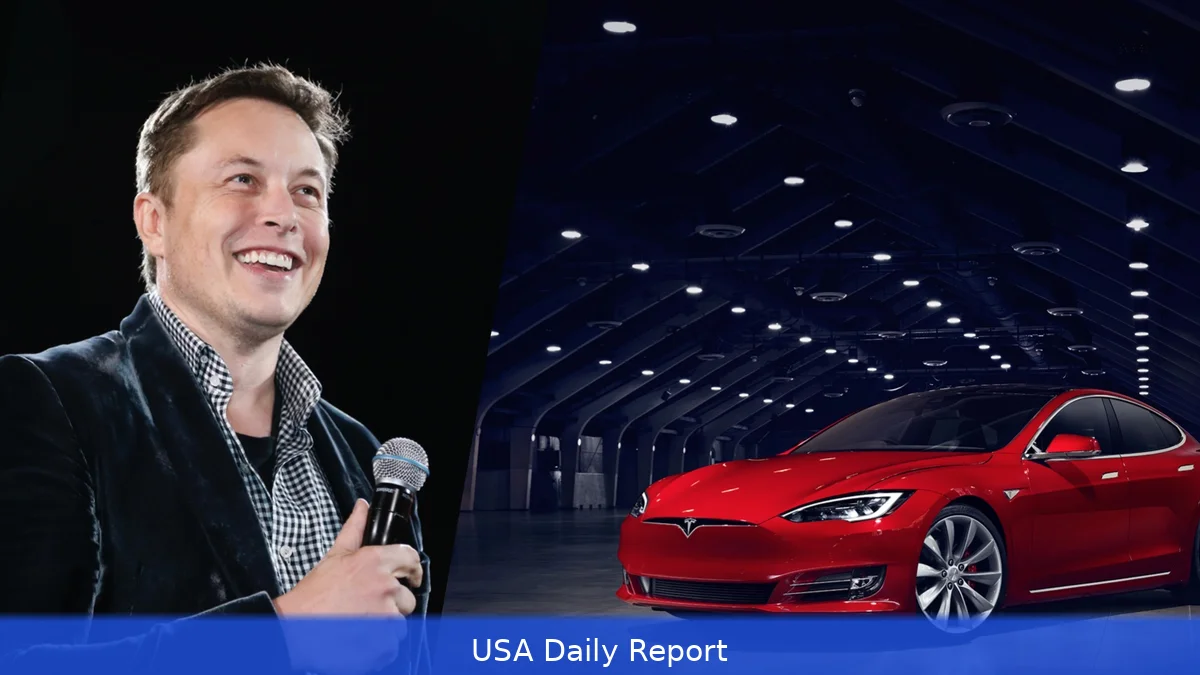
Tesla’s EV deliveries fell sharply in Q1 2024. But Elon Musk’s renewed focus on the company shows he’s ready to fight to regain its lead. The numbers show Tesla is struggling, but Musk’s push for innovation could be the boost the company needs.
Delivery Slump and Rising Competition
Tesla delivered 336,700 vehicles in Q1 2024, a 13% decline compared to the same quarter last year. This dip marks the brand’s worst quarter since spring 2022 and has cost it the title of the world’s largest electric vehicle manufacturer. Chinese rival BYD surged ahead with 416,400 deliveries in the same period, capitalizing on Tesla’s faltering momentum.
The numbers missed all expectations, including Tesla’s own internal forecasts, which had projected around 377,600 vehicles. Even the most bearish Wall Street analysts had predicted a higher figure, around 355,000. The delivery shortfall shows Tesla’s current vulnerability, especially as its lineup ages and competitors ramp up production with newer models.
Despite the disappointing numbers, Tesla’s stock actually rose over 3% to $277 soon after the news. Investors appear to be banking on Musk’s renewed focus and upcoming product launches to turn the tide.
Production Challenges and Strategic Delays
Tesla blamed part of the decline on a planned production pause to transition to a refreshed Model Y.
Customers delayed purchases, waiting for the updated version that launched in March, featuring interior and exterior design tweaks. This pause, combined with a general market slowdown in EV demand, created a perfect storm for reduced deliveries.
Tesla’s manufacturing capacity reveals more about the situation. With gigafactories capable of producing over 2.35 million vehicles annually across Shanghai, Fremont, Berlin, and Austin, operating at just 66% capacity is a major inefficiency. The company is also trimming its workforce by about 10%, signaling an adjustment to slower growth expectations.
Mounting Pressure on Profit Margins
Rising inventory levels add to Tesla’s woes. As global vehicle inventory nearly doubled from 15 to 28 days of supply in just three months, Tesla had to slash prices aggressively—including a recent drop in its full self-driving software from $12,000 to $8,000.
Those cuts aim to clear stock but come at the expense of profit margins.
Operating margins have plummeted from 17.2% to 5.5% over the past six quarters. That puts Tesla below many traditional automakers, despite its position as an EV pioneer. Slowing sales, price cuts, and rising costs mean Tesla faces a tough path to stay profitable.
Musk’s Role: Product Manager and Visionary
Elon Musk’s leadership style remains a key talking point. Former Tesla employees describe him as the company’s “product manager,” deeply involved in the details and product direction. His fanatical attention to detail has guided Tesla from its earliest days, including the Roadster prototype development back in 2008.
Even with Musk’s recent distractions like crypto and politics, analysts say his renewed focus on Tesla might drive the innovation needed to reclaim market leadership. Musk himself committed to leading Tesla for the next five years, stating he would only step down if he were dead.
The upcoming product launches and the June robotaxi debut in Austin could be game changers. Industry watchers are cautiously optimistic that Musk’s drive for revolutionary products might offset the current challenges, especially as competition heats up.
Looking Ahead: Can Tesla Reclaim Its Lead?
Q1 results show Tesla’s current struggles but also open the door for a critical recovery. The company faces pressure from both aging models and aggressive rivals, while having to manage production capacity and margins carefully.
Musk’s hands-on leadership could help Tesla overcome these challenges, but the next few months are crucial. Will Tesla’s upcoming product launches and robotaxi debut deliver the breakthroughs investors hope for? Or will the company continue to lose ground in the fiercely competitive EV market?
Tesla’s Q1 slump shows just how high the stakes are. Musk’s renewed focus and upcoming projects could mark a turning point—or the start of a deeper struggle for the EV giant’s future.


