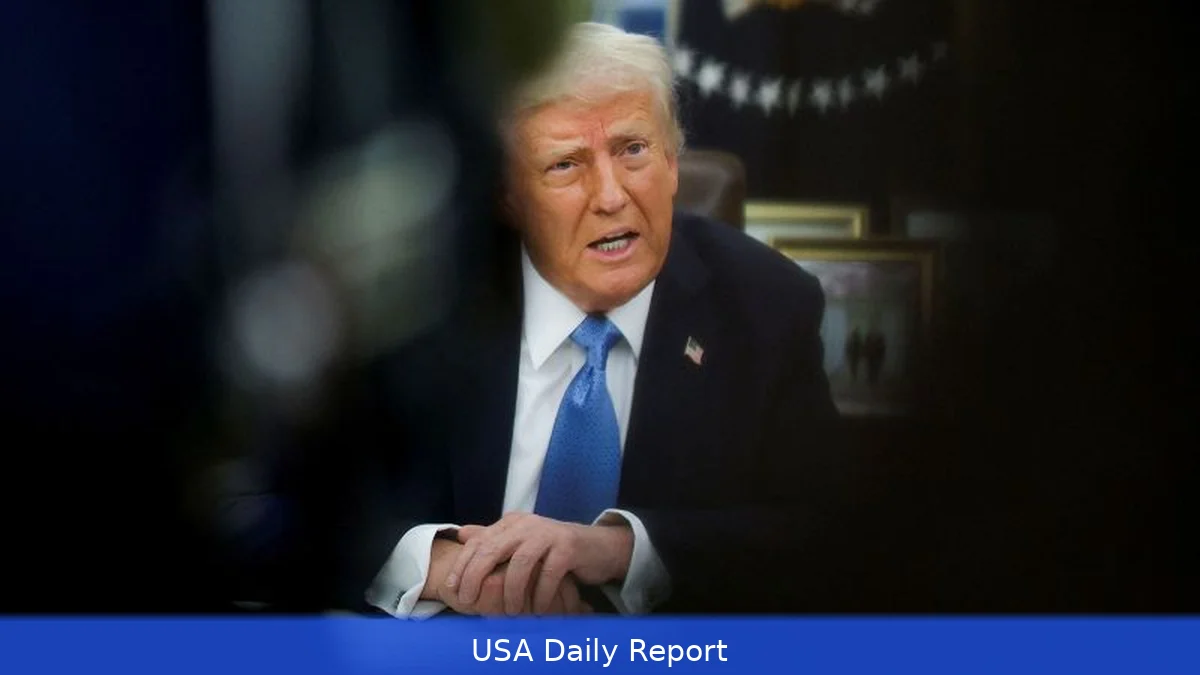
Stock futures took a sharp hit Monday following President Donald Trump’s announcement that the U.S. Is close to completing its objectives with Iran. Oil prices were all over the place, and tensions around the Strait of Hormuz kept rising.
Markets React to Mixed Signals on Iran Talks
Stock futures sank after President Trump said the U.S. Expects to wrap up its goals with Iran “very shortly.” His comments suggested progress toward ending hostilities in the Middle East, sparking hope for stability. Yet, the reaction was swift and uneasy. The S&P 500 and Dow futures both dropped sharply in early trading, reflecting investor skepticism.
After major losses in global markets earlier, Wall Street had shown signs of cautious optimism on Monday morning. But Trump’s remarks, which hinted at imminent resolution, sparked a pullback in futures as traders weighed the conflicting reports from Iran.
Oil prices also took a hit. Brent crude, which had soared near $120 a barrel last week amid fears of supply disruption, retreated sharply. After Trump’s announcement, Brent crude prices plunged more than 10% to settle just under $100 a barrel. U.S. Crude dipped below $85 at one point before recovering to around $88.
Conflicting Narratives Fuel Uncertainty
Trump claimed productive discussions took place over the weekend aiming to end hostilities. He also announced a five-day postponement of planned airstrikes on Iranian power plants, which he had threatened if Iran didn’t reopen the critical Strait of Hormuz shipping route.
The Strait of Hormuz is a key route for oil shipments and has become a hotspot in the growing conflict.
But Iran quickly denied that any talks had occurred. Iranian officials dismissed the reports as “fake news” aimed at manipulating oil and financial markets. The speaker of Iran’s parliament publicly refuted the idea of negotiations, casting doubt on Trump’s optimistic tone. Iranian media outlets portrayed the U.S. President’s postponement of attacks as a retreat rather than a diplomatic breakthrough.
At the same time, regional powers like Turkey and Egypt said they engaged with both sides, hinting at emerging efforts to mediate the conflict. If these diplomatic attempts gain traction, they could ease market jitters in the coming days.
Market Volatility Reflects Fragile Outlook
In recent weeks, oil and stock markets have swung wildly as worries about how long and severe the conflict might be have grown. Investors worry that prolonged fighting could choke off crucial supplies of oil and natural gas, triggering a surge in inflation that weighs heavily on the global economy.
Last year’s market shocks linked to Trump’s tariff wars offer a cautionary backdrop. Back then, tariff threats and trade disputes caused historic up-and-down moves in stocks and commodities. The current turmoil, while intense, hasn’t matched that drama—yet. But the unpredictability keeps investors on edge.
Stocks jumped earlier Monday, showing just how fast investor mood can change. The S&P 500 climbed over 1%, marking its best session since the conflict’s outbreak.
The Dow Jones surged more than 600 points at one stage before settling with a 1.4% gain. But those moves proved fragile once the conflicting Iran news hit.
The ups and downs in oil prices highlight how shaky the global energy markets remain. Brent crude’s plunge from nearly $120 to below $100 within days shows how sensitive prices remain to geopolitical developments. And with the U.S. Crude benchmark bouncing between $85 and $92, traders are bracing for more turbulence.
What’s Next for Markets and the Middle East?
The key question now is whether these talks will actually calm things down. Trump’s announcement gave markets a short-lived sense of relief, but Iran’s denials have reintroduced doubt. If hostilities drag on, oil supplies could be disrupted for months, pushing prices higher and fueling inflation. That would pressure central banks already battling rising costs.
On the other hand, successful mediation by regional players might open the door to peace. That would calm markets and ease upward pressure on energy prices. Investors will be watching closely for concrete signs of progress in the coming days.
Right now, the atmosphere is tense and unpredictable. Markets are caught between hope and suspicion. And traders know that just one new development could send stocks and oil prices swinging wildly again.
As of Monday, Brent crude settled near $100 a barrel, a sharp retreat from last week’s highs, while stock futures reflected the uncertainty clouding the path forward. The world waits — uncertain — to see if diplomacy can cool a dangerously hot conflict.


