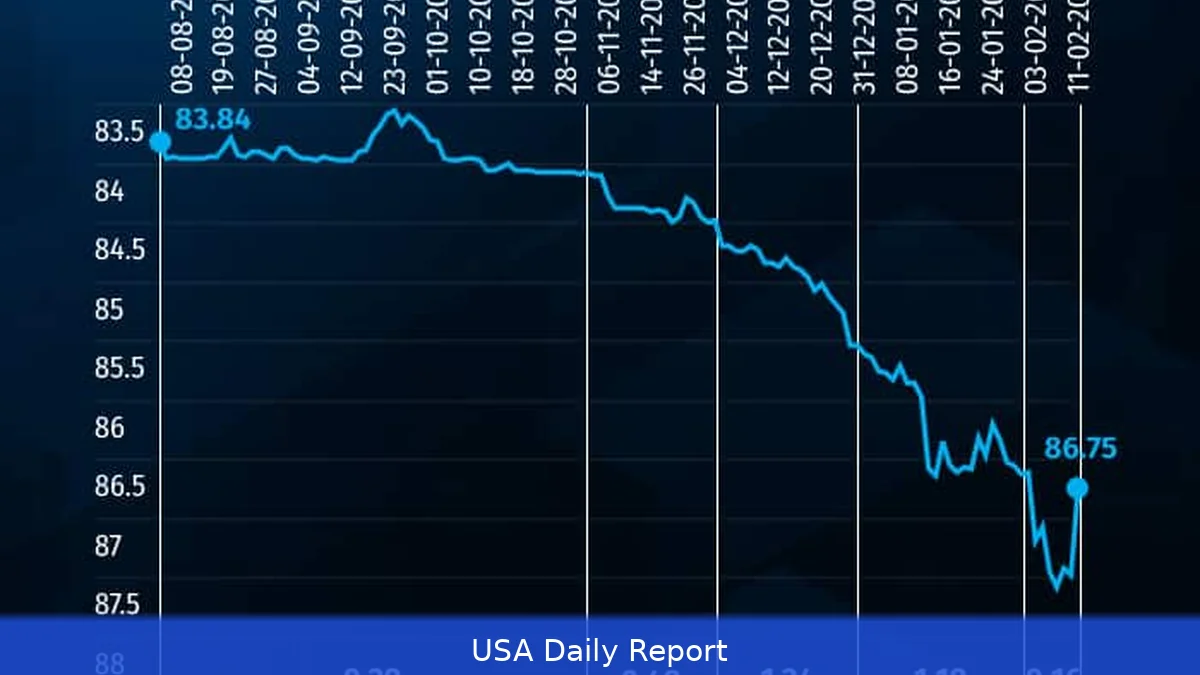
Last week, India's rupee surged past 83.50 to the dollar, its biggest rally since 2013. The Reserve Bank of India has actively managed currency volatility, supported by a historic rise in foreign exchange reserves.
Rupee Strengthens Amid Central Bank Intervention
The Indian rupee bounced back, reaching levels not seen in more than ten years. The Reserve Bank of India (RBI) has been actively buying and selling dollars to keep the rupee within a tight band. This active intervention helped make the rupee one of the least volatile currencies in emerging markets.
RBI Governor Shaktikanta Das recently noted that big swings in the rupee don’t help the economy, which partly explains the central bank’s careful market interventions. Last week alone, RBI’s dollar purchases amounted to nearly $7.8 billion, signaling a clear intent to shore up the rupee and the country’s foreign exchange buffer.
Forex Reserves Cross $700 Billion Milestone
India’s foreign exchange reserves hit a record $704.89 billion, growing for the seventh straight week. This remarkable feat places India among an elite group of countries—just behind China, Japan, and Switzerland. The surge reflects a mix of RBI dollar buying and valuation gains, mainly driven by a weakening U.S. Dollar, falling Treasury yields, and rising gold prices.
Since 2013, after foreign investors pulled out due to economic concerns, India has steadily rebuilt its forex reserves. Higher economic growth, better inflation control, and narrower fiscal and current account deficits attracted foreign money, especially into local debt markets. So far in 2024, foreign inflows have totaled $30 billion.
Gold and Silver Imports Add Pressure on Rupee
Still, the rupee faces headwinds from India’s soaring gold and silver imports. Last year, gold imports rose 1.6% to nearly $59 billion, while silver imports jumped 44% to $9.2 billion.
India depends heavily on overseas supplies—importing almost all its gold and over 80% of its silver needs.
The high import bill has stretched the trade deficit, weighing down the rupee. Policymakers worry that continued surges in precious metal prices could widen the deficit further. That’s why traders expect the government may soon hike import duties again, a move it last made in 2013 when the rupee was rapidly losing ground.
In 2024, the government cut import duties on gold and silver from 15% to 6% to curb smuggling, but rising metal prices suggest they might raise duties again. Already, gold and silver are trading at a premium over global prices, reflecting speculation about duty hikes.
Balancing Act: Managing Currency Stability and Trade Deficit
India’s policymakers face a tricky balancing act. The RBI’s interventions have bolstered investor confidence and kept the rupee steady. Meanwhile, record forex reserves provide a cushion against sudden outflows.
Yet, rising gold and silver imports threaten to undo some of those gains by expanding the trade gap and pressuring the currency. The government’s potential move to hike duties aims to cool demand and ease those pressures, but it risks dampening an important segment of consumer investment.
Economists suggest that while the RBI has the firepower to defend the rupee, the import bill for precious metals remains a persistent challenge. Managing these competing forces will be key to maintaining currency stability and economic growth as India moves deeper into 2026.
The rupee's rally highlights the RBI's stronger role in managing currency, backed by record forex reserves. But rising precious metal imports and a widening trade deficit pose fresh questions about the rupee’s staying power in a shifting global economy.


