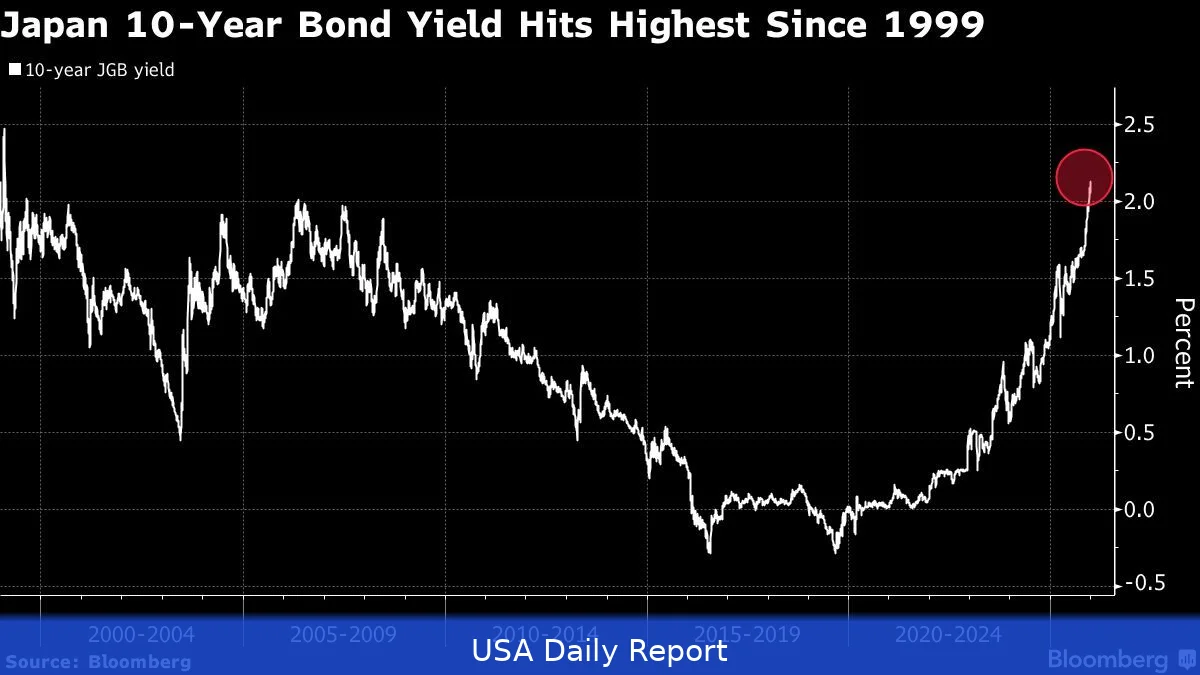
Japan’s recent 10-year sovereign bond auction saw the lowest demand since May, signaling caution among investors as global debt worries ripple through markets.
Soft Demand Reflects Growing Investor Unease
Japan’s sale of 10-year government bonds failed to attract strong interest, marking the weakest demand since May. The auction took place amid a backdrop of heightened concerns about fiscal health, both domestically and internationally. Investors appear increasingly wary of sovereign debt amid rising global borrowing and policy uncertainties.
Similar trends have surfaced elsewhere. The U.S. Treasury recently experienced tepid demand for its $16 billion 20-year bond sale, a signal that worries about government debt are spreading across major economies. That auction also saw yields climb, reflecting investor anxiety over the United States’ expanding debt burden and ongoing political disputes over tax and spending plans.
Global Debt Pressures Weigh on Bond Markets
Japan’s bond auction struggles come as governments worldwide grapple with ballooning deficits. In the U.S., Congress is locked in debates over a tax and spending bill expected to add trillions to the national debt. Moody’s downgrade of the U.S. Sovereign rating last week only added fuel to market jitters. Fitch Ratings and Standard & Poor’s had already lowered their assessments, intensifying fears about fiscal discipline.
Japan faces its own fiscal challenges. Years of stimulus spending and low growth have pushed public debt to record highs, amplifying investor concerns over long-term sustainability. The weak demand for Japan’s 10-year bonds suggests that buyers may be questioning the value of locking in government debt at current yields, especially when global economic uncertainties persist.
Investor Behavior and Market Signals
At the recent U.S. Auction, indirect bidders—often foreign governments, insurance firms, and fund managers—accounted for nearly 70% of the sale. This indicates that some foreign demand remains solid despite the overall softness. But total demand hovered just below average, the lowest since February.
Yields on the 20-year bonds rose following the auction, hitting levels not seen since late 2023.
Market economists view these results as a warning sign. Thomas Simons, chief U.S. Economist at Jefferies, described the auction as far from disastrous but noted it wasn’t encouraging either. He pointed out that the long end of the yield curve continues to sell off, with no immediate reversal in sight. George Cipolloni, portfolio manager at Penn Mutual Asset Management, echoed these concerns, highlighting that yields near 5% combined with weak auction results don’t inspire confidence in the economy.
What This Means for Japan and Beyond
Japan's bond demand struggles fit into the bigger picture of problems hitting sovereign debt markets worldwide. Investors are taking a hard look at government budgets and wondering if current fiscal policies can hold up. These effects might drive borrowing costs up, making governments tighten their budgets or rethink stimulus efforts.
For Japan, the stakes are high. Maintaining investor confidence in government bonds is key to funding public spending without harshly raising borrowing costs. But as global investors grow cautious, Japan might have to change its fiscal policies or raise yields to lure in buyers.
At the same time, the U.S. is still struggling with its fiscal problems. The outcome of congressional negotiations on the tax and spending bill could have a major impact on investor sentiment and bond market dynamics. If deficits continue to swell, bond yields may climb further, adding stress to economic growth prospects.
The results from Japan’s bond auction and soft demand for U.S. Treasuries show how shaky investor confidence is in sovereign debt as global deficits grow. How governments respond to these warnings will shape bond markets in the months ahead.


