Damp and mould in rental properties are more than just an eyesore—they're a health hazard. In 2026, US landlords face growing pressure to address these issues properly. With research showing that up to half of US buildings experience water damage creating ideal conditions for mould growth, landlords can’t afford to ignore this problem. Understanding the risks, legal responsibilities, and practical steps to manage damp and mould is critical for protecting tenants and avoiding costly disputes.
Key Facts and Figures About Damp and Mould in US Rentals
- Up to 50% of US buildings experience some form of water damage during their lifecycle, according to the American Society of Home Inspectors. This damage ranges from minor leaks to severe flooding, providing the moisture mould needs to thrive.
- The Centers for Disease Control and Prevention (CDC) reports that exposure to damp or mouldy environments can cause nasal congestion, throat irritation, coughing, wheezing, and skin irritation. Prolonged exposure may worsen chronic respiratory conditions.
- The Environmental Protection Agency (EPA) highlights that Americans spend approximately 90% of their time indoors. Indoor pollutant levels, including mould spores and damp-related allergens, can be two to five times higher than outdoor levels, increasing health risks.
- Children, elderly individuals, and those with asthma or compromised immune systems are especially vulnerable to mould-related health problems. Studies link mould exposure to increased asthma attacks and respiratory infections in these groups.
- Maintaining indoor temperatures of at least 18°C (64°F) helps control moisture, a key factor in preventing mould growth. Proper heating reduces condensation on walls and windows, which are common mould breeding grounds.
- According to the National Institute of Standards and Technology, moisture intrusion and poor ventilation are the leading causes of mould growth in US homes, emphasizing the need for adequate air exchange systems.
Understanding Landlord Responsibilities in 2026
While there’s no specific federal law dedicated solely to mould, landlords must comply with various health and safety regulations at state and local levels. The implied warranty of habitability, enforced in many states, obliges landlords to provide housing free from hazards like damp and mould.
Local building codes often require landlords to maintain plumbing, roofing, and ventilation systems to prevent water intrusion and mould. Lease agreements may include clauses requiring tenants to report moisture problems promptly, but ultimate responsibility for repairs usually falls on landlords.
Ignoring mould can lead to tenant legal claims, including rent withholding, lease termination, or lawsuits for damages. Some states allow tenants to deduct repair costs from rent if landlords fail to act after notice. Prompt action reduces liability risks.
In 2026, courts are increasingly recognizing tenants’ rights related to indoor air quality and mould exposure, making proactive landlord management essential. Insurance policies may also exclude coverage for damage caused by neglected mould, so landlords should consult their providers.
Step-by-Step Guide for Landlords to Manage Damp and Mould
- Inspect Regularly: Schedule comprehensive property inspections at least twice a year, focusing on areas prone to moisture such as bathrooms, kitchens, basements, laundry rooms, and around windows. Use moisture meters and thermal imaging cameras to detect hidden damp spots. Document findings with photos and detailed notes.
- Act on Tenant Complaints: Respond within 24 to 48 hours to tenant reports of dampness or mould. Quick response prevents problems from escalating. Keep written records of all communications and actions taken to show due diligence.
- Identify Moisture Sources: Inspect plumbing fixtures, water heaters, roofs, gutters, and HVAC systems for leaks or malfunctions. Check for condensation issues caused by poor ventilation or inadequate insulation. Fixing these underlying issues is crucial before any mould remediation.
- Hire Certified Professionals: Engage licensed mould remediation experts certified by organizations like the Institute of Inspection, Cleaning and Restoration Certification (IICRC). These professionals conduct thorough assessments, develop remediation plans, and use specialized equipment to remove mould safely.
- Remediate Properly: Ensure mould removal follows EPA and CDC guidelines. Contaminated materials such as drywall, carpeting, and insulation may need removal and replacement. Use air scrubbers and dehumidifiers during cleanup to control airborne spores and moisture.
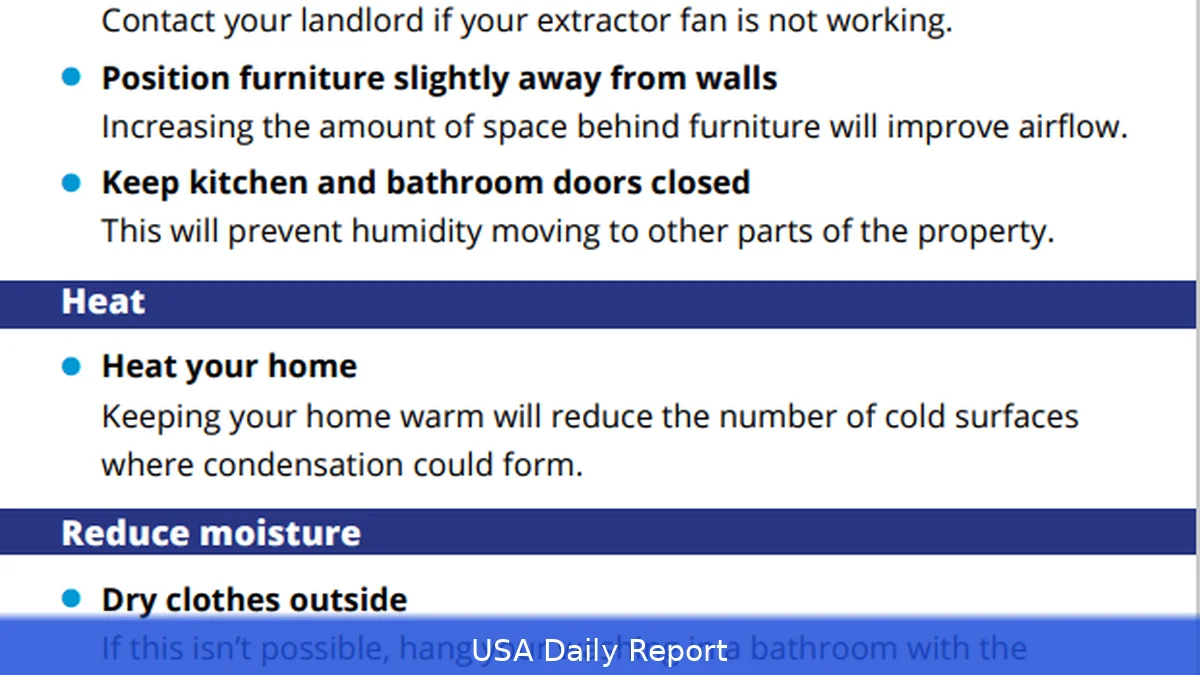
- Improve Ventilation and Heating: Install or upgrade exhaust fans in kitchens and bathrooms to reduce humidity. Maintain heating systems to keep indoor temperatures above 18°C (64°F) year-round. Consider dehumidifiers in basements or other damp areas.
- Educate Tenants: Provide tenants with information on preventing mould, such as proper use of exhaust fans, promptly reporting leaks, and maintaining indoor temperatures. Clear communication helps reduce tenant-caused moisture problems.
- Document All Actions: Keep detailed records of inspections, repairs, professional remediation reports, and tenant communications. This documentation can be crucial in disputes or insurance claims.
Tips for Landlords to Prevent Damp and Mould
- Seal cracks and gaps around windows and doors to prevent water intrusion.
- Maintain gutters and downspouts to direct rainwater away from the building foundation.
- Check for and repair roof damage annually, especially after storms.
- Use mould-resistant paint in high-moisture areas.
- Encourage tenants to ventilate bathrooms and kitchens during and after use.
- Monitor indoor humidity levels with hygrometers; aim for 30-50% humidity.
Common Mistakes Landlords Should Avoid
- Ignoring early signs of damp or mould, such as musty odors or water stains.
- Delaying repairs which allows mould to spread and worsen health risks.
- Attempting DIY mould removal without proper equipment or knowledge.
- Failing to follow local regulations or lease terms related to property maintenance.
- Not documenting tenant complaints or remediation efforts.
- Overlooking ventilation improvements after mould removal.
Damp and mould issues in rental properties demand swift, informed action from landlords in 2026. By inspecting regularly, fixing moisture problems promptly, hiring certified professionals for remediation, and educating tenants on prevention, landlords can protect tenant health, comply with legal obligations, and avoid costly disputes.


