
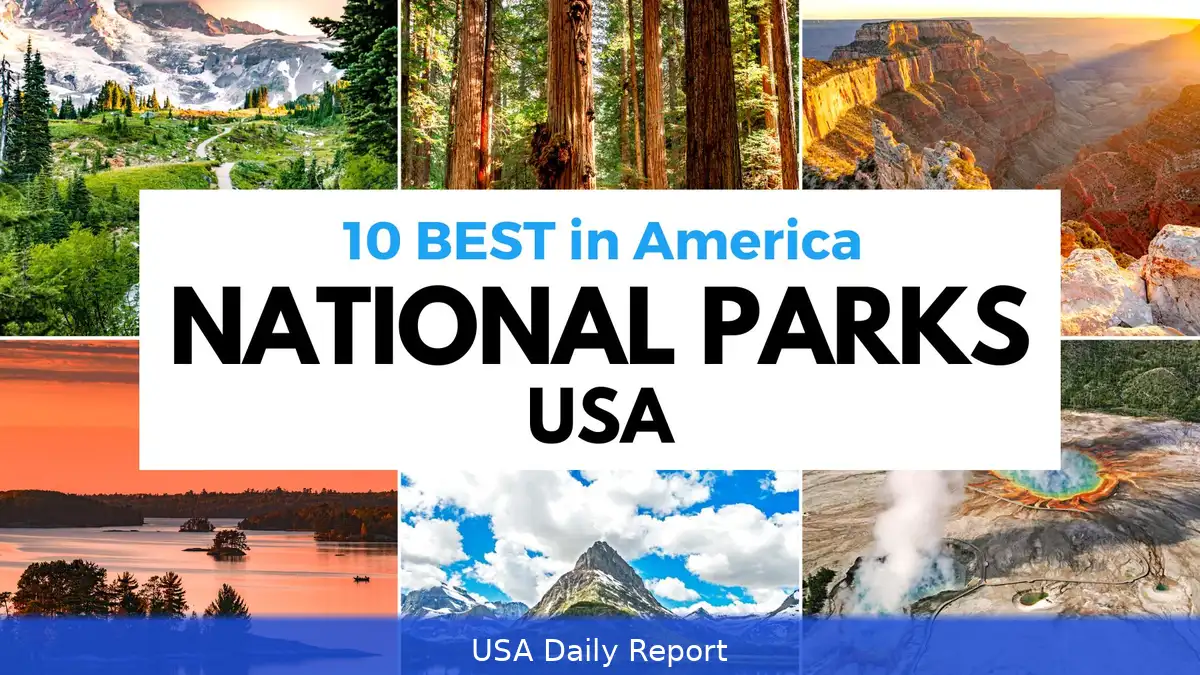
America’s national parks open the door to some truly stunning landscapes and outdoor adventures. From towering redwoods on the West Coast to vast deserts in the Southwest and rugged mountains in the Rockies, national parks offer something for every kind of adventurer. But with more than 60 official parks scattered across the United States, deciding where to go and how to make the most of your visit can feel overwhelming. Here, we’ll look at top parks by region, offer some handy planning tips, and cover what you need to make your visit smooth and memorable. Whether you’re a first-timer or a seasoned park explorer, you’ll find all the essentials here to help you connect with America’s wild and wonderful places.
Understanding America’s National Parks System
National parks in America aren’t just protected areas—they show a real commitment to saving natural beauty, culture, and wildlife for the future. Managed by the National Park Service (NPS), these parks range from iconic destinations like Yellowstone and Yosemite to lesser-known gems like Congaree and Great Basin. Each park offers its own unique landscapes, ecosystems, and recreational opportunities.
The national park system began in 1872 with Yellowstone, the world’s first national park. Since then, the network has grown to include diverse environments such as deserts, forests, mountains, and coastal areas. These parks attract millions of visitors every year, drawn by hiking trails, wildlife viewing, camping spots, and historical sites.
When you visit a national park, it’s important to respect nature and tread lightly. The NPS encourages visitors to follow Leave No Trace principles, which help protect fragile ecosystems and wildlife habitats.
This system ensures that parks remain pristine and accessible for years to come.
Understanding the basics of how national parks operate, including entrance fees, visitor centers, and regulations, can make your visit more enjoyable. Many parks charge entrance fees, either per vehicle or per person, while some offer free admission days throughout the year. Planning ahead to secure necessary permits or reservations, especially during peak seasons, is crucial. Popular parks often require advance bookings for campsites or shuttle services to control crowding and preserve the environment.
Top National Parks to Visit by Region
America’s national parks are spread across a vast and varied landscape. Choosing where to go depends on what kind of scenery and activities you prefer. Here’s a breakdown of some of the best parks by region, highlighting what makes each stand out.
West Coast boasts iconic parks like Yosemite in California, known for its granite cliffs, waterfalls, and giant sequoia trees. Redwood National and State Parks protect some of the tallest trees on Earth, offering misty forest trails and scenic drives. Oregon’s Crater Lake National Park features a stunning deep-blue volcanic lake, perfect for hiking and boat tours.
Southwest delivers dramatic desert landscapes and ancient ruins. Grand Canyon National Park in Arizona offers jaw-dropping vistas and challenging hikes into the canyon. Zion National Park in Utah is famous for its narrow slot canyons and towering sandstone cliffs. Arches National Park near Moab, Utah, showcases more than 2,000 natural stone arches.
Rocky Mountains and Great Plains feature parks like Rocky Mountain National Park in Colorado, with alpine lakes, wildflower meadows, and mountain peaks. Badlands National Park in South Dakota surprises visitors with colorful eroded buttes and rich fossil beds. Glacier National Park in Montana offers pristine wilderness, glaciers, and abundant wildlife.
East Coast and Southeast include parks with lush forests, swamps, and historical landmarks. Great Smoky Mountains National Park straddles Tennessee and North Carolina, featuring diverse plant and animal life and remnants of Appalachian culture. Everglades National Park in Florida protects vast wetlands teeming with alligators and wading birds. Acadia National Park in Maine offers rugged coastline and forested mountains.
How to Plan Your National Park Visit
You’ve got to plan carefully if you want your national park trip to go well. First, Look at the timing. Many parks have distinct high and low seasons that affect crowd levels, weather, and accessibility. Summer tends to be the busiest, with warm weather and full services but also large crowds. Spring and fall offer cooler temperatures and fewer visitors, though weather can be unpredictable. Winter visits are possible in some parks, offering snow sports and solitude but demanding special gear and caution.

Next, decide what kind of experience you want. Are you after rugged backpacking, family-friendly day hikes, scenic drives, or wildlife watching? Some parks are better suited for certain activities. For example, Yellowstone is excellent for spotting animals like bison and bears, while Joshua Tree in California is a rock-climber’s paradise.
Reservations and permits can be a headache if you leave them until the last minute. Many popular parks require advance booking for campsites, especially during peak months. Some hikes need permits, like the Half Dome trail in Yosemite. Check each park’s official website well ahead of your trip to understand what’s needed.
Transportation and lodging also matter. Many parks have limited or no cell service and few services inside their boundaries. Planning where to stay—inside the park or in nearby towns—can impact your experience. Some parks offer shuttle buses to reduce traffic and protect sensitive areas, so knowing schedules and rules is helpful.
Essential Gear and Safety Tips for Visiting National Parks
Being well-prepared makes all the difference in enjoying a national park visit safely. Start with the right footwear. Trails can range from smooth paths to rocky, uneven terrain. Hiking boots or sturdy shoes with good traction are essential.
Layered clothing is key. Weather can change quickly, especially at higher elevations. Pack sun protection like hats, sunglasses, and sunscreen, plus rain gear. Carry plenty of water and snacks—many parks have limited food options once you’re inside.
Safety also means respecting wildlife. Keep a safe distance from animals, never feed them, and store food properly to avoid attracting bears or other critters. Know how to react if you encounter wildlife on a trail.
Navigation tools like maps, compasses, or GPS devices help prevent getting lost. Don’t rely solely on cell phones, as signal coverage is spotty in many parks. Let someone know your itinerary and expected return time if you’re heading into backcountry areas.
Finally, follow park rules and guidelines. Stick to marked trails to protect fragile ecosystems. Use designated campsites and fire rings. Pack out all trash. These simple steps keep parks beautiful and safe for everyone.
Family-Friendly National Parks and Activities
National parks aren’t just for hardcore hikers or campers. Many parks offer plenty for families with kids of all ages. Visitor centers often provide educational exhibits and ranger programs that engage children in nature and history. Junior Ranger programs give kids a fun way to learn about the park and earn badges.
Easy trails and picnic areas make day visits enjoyable without tiring out little ones. Some parks have beaches, lakes, or gentle streams perfect for splashing around. For example, Cuyahoga Valley National Park in Ohio has family-friendly bike trails and waterfalls.
Many parks host seasonal events like guided walks, night sky programs, or wildlife talks that appeal to families. Check park calendars for special activities. Staying in nearby towns with family-friendly accommodations can also ease logistics.
When camping with children, pick campgrounds with amenities like flush toilets and potable water. Keep kids close near water or steep drop-offs.
Teaching them about nature respect early helps instill lifelong conservation values.
How to Visit Off-the-Beaten-Path National Parks
While parks like Yellowstone and the Grand Canyon get millions of visitors, some lesser-known national parks offer quieter, equally stunning experiences. Parks such as Lassen Volcanic in California, North Cascades in Washington, and Great Basin in Nevada showcase unique landscapes with fewer crowds.
Visiting these parks often requires more planning. They may have fewer services, so bring extra supplies and be ready for limited cell coverage. Their remoteness can mean dirt roads or longer drives, so a reliable vehicle is important.
These parks reward visitors with solitude, diverse wildlife, and untouched scenery. They’re perfect for travelers who want to avoid crowds and discover hidden gems. Because they’re less trafficked, you might also find more flexible camping opportunities and less competition for permits.
Check park websites for detailed trail maps and visitor information. Some parks have seasonal closures due to weather or wildlife protection, so verify accessibility before you go. Embrace the adventure of exploring places where you might see only a handful of other visitors.
Getting out to America’s national parks connects you with the country’s natural heritage in a way no other experience can. Careful planning, respect for the environment, and choosing the right park for your interests ensure a trip you’ll never forget. Whether it’s gazing into the Grand Canyon’s depths, hiking among giant sequoias, or discovering a quiet desert landscape, the parks offer endless inspiration. Keep this guide handy as you map your next adventure—you’ll find yourself returning time and again to explore more of these incredible places.
This article was created with AI assistance.


