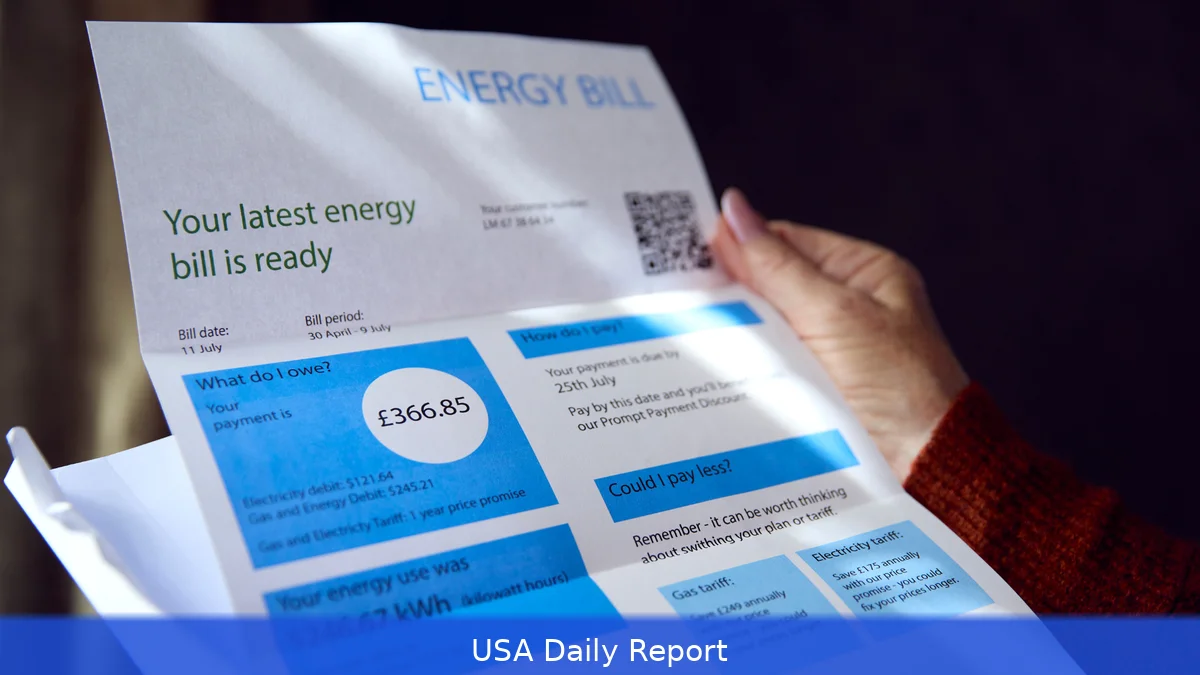
Energy bills take a big chunk out of most Americans' budgets. Finding a cheaper energy tariff could save you hundreds of dollars every year. This guide breaks down how to switch energy providers in the US for 2026, step-by-step, so you can cut costs and take control of your bills.
Overview: Why Switch Energy Providers?
You can cut your yearly energy bills by switching your US energy tariff. In 2026, energy prices are still fluctuating due to changing market conditions, supply challenges, and policy shifts. But you’re not stuck paying high rates. If you compare tariffs and pick the cheapest plan in your state, you might save hundreds or even thousands annually.
Many US energy providers offer fixed or variable rate plans. Fixed rates lock in your price per kilowatt-hour (kWh) for a set term, typically 12 or 24 months, protecting you from market price spikes. Variable rates can be lower initially but may rise or fall with market conditions. Knowing which plan fits your usage helps you save money.
Also, some providers include perks like renewable energy options, bill credits, or rewards programs. Choosing a plan that fits your budget and values can improve your satisfaction and savings.
Step 1: Check Your Current Energy Use and Tariff
Start by pulling out your latest energy bill or logging into your provider’s online account.
You want to know exactly what you’re paying now and how much energy you use. Look for your current tariff type—fixed or variable—and the rate you pay per kWh.
Check your average monthly consumption in kilowatt-hours (kWh). The US Energy Information Administration reports that the average American household uses about 877 kWh per month, but your usage could be higher or lower depending on factors like home size, climate, and appliances.
Also, find any standing charges or monthly fees that apply regardless of usage. These can add $10 to $20 or more to your monthly bill.
Important: See if you’re locked into a fixed-term contract and when it ends. Switching before your contract expires could trigger early termination fees, which sometimes range from $50 to $200.
Step 2: Research Energy Providers in Your Area
Energy markets in the US are regulated by each state, so available providers and plans vary widely. Start by visiting your state’s public utility commission (PUC) website. PUCs regulate rates and often offer official lists of licensed energy suppliers and their plans.
You can also check the US Energy Information Administration (EIA) website, which provides state-by-state data on energy providers and rates.
For more user-friendly tools, websites like EnergySwitching.com and PowerToChoose.org (the official electric choice website for Texas) offer comparison tools. They let you filter results by fixed vs. Variable rates, contract length, green energy options, and customer ratings.
These tools update regularly, reflecting the latest offers and promotions. Some providers run special deals for new customers, like bill credits or discounted rates for the first 6 to 12 months.
Step 3: Compare Tariffs and Costs
Don’t just check the price per kWh when comparing tariffs. You need to consider standing charges (fixed monthly fees), contract length, early termination fees, and any additional perks or discounts.
In early 2026, fixed-rate tariffs average about 13 cents per kWh nationally. Variable rates can range from 12 to 16 cents per kWh but may spike during high demand or fuel price increases.
To estimate your annual cost, multiply your average monthly kWh usage by the unit rate, then add standing charges multiplied by 12 months. For example, if you use 877 kWh monthly and pay 13 cents per kWh plus a $15 monthly fee, your annual cost would be:
877 kWh x $0.13 = $114.01 monthly energy cost
$15 standing charge x 12 = $180 annual fee
Total annual cost = ($114.01 x 12) + 180 = $1,548.12
Some providers offer discounts or rebates if you pay on time or opt for paperless billing. Others include renewable energy certificates or carbon offsets at no extra charge.
Try online calculators on state or provider sites to figure out your costs. They can help you compare total estimated bills instead of just rates.
Step 4: Check Contract Terms and Conditions
Once you narrow down your options, read the fine print. Check the contract length—typically 6, 12, or 24 months. Shorter contracts offer flexibility but might be pricier.
Look for early termination fees. Some providers charge fees if you switch before your contract ends, ranging from $50 to $200.
Check if the rate is truly fixed or if there are clauses allowing the provider to change prices under certain conditions. Also, confirm billing cycles and payment methods.
Step 5: Switch Your Provider
When you’ve picked a better tariff, contact the new provider to start the switch. You’ll need your current account number and recent bill handy.
Switching usually takes between one and two weeks. Your current service won’t be interrupted during the switch.
The new provider usually handles the switch process, including notifying your current supplier. Confirm any final meter readings or payments.
Keep an eye on your bills after switching to ensure the new rates are applied correctly.
Tips to Save More on Energy Bills
- Consider fixed-rate plans if you want price stability through 2026.
- Look for plans with renewable energy options if sustainability matters to you.
- Monitor your energy usage monthly and adjust habits to reduce consumption.
- Use energy-efficient appliances and LED lighting to cut usage.
- Check if your state offers government rebates or incentives for switching to certain providers or green energy.
Common Mistakes to Avoid When Switching
- Not checking if you’re locked into a contract and facing early termination fees.
- Ignoring standing charges and focusing only on per kWh rates.
- Failing to verify if the rate is truly fixed or subject to change.
- Overlooking additional fees like late payment charges or paper bill fees.
- Not confirming the switch completion and monitoring your new bills for accuracy.
Switching energy providers in 2026 can save you a lot if you take these steps. Start by knowing what you use and what you pay now. Then use official state resources and comparison tools to find better deals. Pick a plan with clear terms that fits your budget and lifestyle. And keep an eye on your bills after switching to ensure you’re saving.


