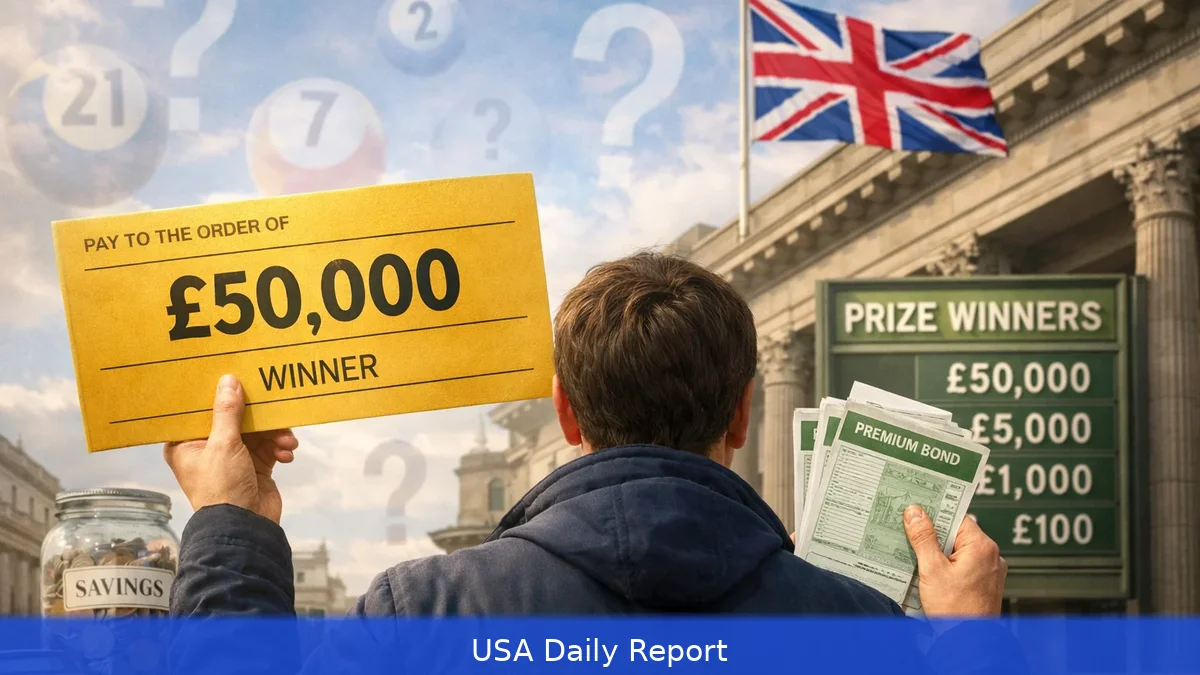
If you're considering Premium Bonds in the US for 2026, you're in good company. A lot of savers wonder whether these bonds are a good choice, what the odds of winning might be, the rates they pay, and how taxes could impact their earnings. Here’s a breakdown of Premium Bond-like options in the US to help you figure out if they match your savings plans.
Quick Picks: Best Premium Bond-Like Options for 2026
- US Series I Savings Bonds — These bonds currently offer a composite rate of 6.89%, based on rates issued in May 2023. They combine a fixed rate with an inflation adjustment, which resets every six months. Interest accrues monthly and compounds semiannually. They’re exempt from state and local taxes, and federal taxes can be deferred until redemption or maturity. The minimum purchase is just $25, making them accessible for most savers.
- US Series EE Savings Bonds — Series EE bonds come with a fixed rate of 3.54% as of May 2023. They’re guaranteed to double in value if held for 20 years, which effectively sets a minimum interest rate of about 3.5% annually. Like Series I, they’re free from state and local taxes, and federal taxes are deferred until redemption. The $25 minimum purchase applies here, too.
- High-Yield Online Savings Accounts — Many online banks now offer interest rates between 4.50% and 5.00%, often with no minimum balance requirements and immediate access to funds. These accounts are typically insured by the FDIC up to $250,000 per depositor, per bank. While they don’t offer tax deferral, their liquidity and competitive rates make them a popular alternative.
- Fixed-Rate Certificates of Deposit (CDs) (1–5 years) — CDs offer fixed interest rates ranging from 4.00% to 5.25%, depending on the term length. Minimum deposits generally start at $500 or $1,000. Early withdrawal can result in penalties, which vary by institution and term length. CDs are FDIC insured and provide predictable returns, but less flexibility compared to savings accounts or bonds.
- Premium Bonds UK (comparison) — The UK’s Premium Bonds don’t pay interest but offer monthly prize draws with odds of about 1 in 24,000 for winning any prize. Prizes can range from £25 to £1 million, and all winnings are tax-free in the UK. However, these bonds aren’t available to US residents, and the US has no direct equivalent government product.
What Are Premium Bonds and How Do They Work in the US?
Premium Bonds started in the UK in 1956 as a unique government savings product. When you buy them, you don’t earn traditional interest. Instead, each bond number enters a monthly prize draw, where you can win tax-free cash prizes. The idea is similar to a lottery, but with your original investment safe and backed by the government.
In the US, there’s no exact match for Premium Bonds. Instead, Treasury offers savings bonds like Series I and Series EE. These pay regular interest instead of prizes. Series I Bonds protect against inflation by adjusting their rates every six months based on the Consumer Price Index, while Series EE Bonds have a fixed rate and a guarantee to double after 20 years.
If you want something closer to a prize-based product, some US banks and credit unions offer lottery-linked savings accounts. These accounts pay you regular interest but also enter you into drawings for cash prizes. However, these products aren’t government-backed and usually don’t offer the same safety as US Treasury bonds.
Interest Rates and Odds for US Savings Bonds in 2026
Series I Bonds should stay popular in 2026 since their rates change with inflation. The 6.89% rate from May 2023 is quite high historically, reflecting recent inflation trends. This rate includes a fixed component (currently 0%) plus an inflation rate that resets every six months.
The next adjustment happens in November 2023, and rates for 2026 will depend on inflation data leading up to then.
Series EE Bonds pay a steady fixed rate — currently 3.54% for bonds issued in May 2023. The key feature is the guarantee that they will double in value after 20 years, regardless of the fixed rate. This guarantee effectively locks in a minimum return of 3.5% annually if you hold the bond for the full 20 years.
US Savings Bonds don’t offer prize odds like UK Premium Bonds do. Instead, your return depends on the interest rate and inflation adjustments. That means your earnings are predictable and backed by the US government, eliminating the risk of losing your principal.
For those interested in lottery-linked savings, odds vary widely. Some US credit unions offer odds like 1 in 1,000 to 1 in 10,000 per month for small cash prizes, but the returns are much less predictable and the accounts aren't federally guaranteed like Treasury bonds.
Why Premium Bonds and Savings Bonds Matter
Saving money can be tough with so many choices available.
People like UK Premium Bonds because they’re safe and offer the thrill of winning prizes. In the US, savings bonds like Series I and EE provide a similarly safe place to grow money, but with steady interest instead of prizes.
These bonds are backed by the full faith and credit of the US government, which means your investment is safe from default. Plus, they offer tax advantages: no state or local income taxes, and federal taxes can be deferred until you cash in or the bonds mature. This can help your money grow faster by delaying tax payments.
Series I Bonds are especially valuable during times of high inflation. For example, the 6.89% composite rate in mid-2023 was among the highest rates offered in decades, helping savers protect their purchasing power. This makes them a useful tool for long-term saving, especially when inflation is unpredictable.
While they don’t offer the thrill of winning a prize like UK Premium Bonds, US Savings Bonds provide dependable growth and peace of mind. That’s why many financial advisors recommend including them as part of a diversified savings strategy.
How to Get Started With US Savings Bonds in 2026
Buying US Series I or EE Savings Bonds is easy and affordable. You can purchase them directly from the US Treasury’s official website, TreasuryDirect.gov. Here’s how:
- Create an account on TreasuryDirect.gov. You’ll need your Social Security number, email, bank account, and routing numbers.
- Decide how much you want to invest. The minimum purchase is $25 per bond. You can buy bonds in any amount above that in one-cent increments up to $10,000 per calendar year per Social Security number.
- Choose the bond type: Series I for inflation protection or Series EE for fixed returns.
- Make your purchase online using a linked bank account. Bonds are electronic, so there’s no paper certificate.
You can also gift bonds to others, including children, by purchasing them in their names. Bonds can be redeemed after 12 months, though if redeemed before five years, you forfeit the last three months’ interest.
Keep in mind, you can hold up to $10,000 in electronic Series I bonds per year and an additional $5,000 in paper Series I bonds if you buy them with your federal tax refund.
Common Questions About Premium Bonds and US Savings Bonds
Can I lose money with US Savings Bonds? No. They're backed by the US government, so your principal is safe.
Are the interest payments taxable? Federal income tax applies, but you can defer paying taxes until you redeem the bonds or they mature. No state or local tax applies.
What if I want to cash in early? You can redeem bonds after 12 months, but if you cash in before five years, you lose the last three months of interest.
How do inflation adjustments work on Series I Bonds? The inflation rate resets every six months based on changes in the Consumer Price Index. That means your rate can go up or down twice a year.
Can minors own savings bonds? Yes, bonds can be purchased in a minor’s name or with a custodian.
Are there purchase limits? Yes, you can buy up to $10,000 in electronic Series I bonds annually per person and an additional $5,000 in paper bonds via your federal tax refund.
How do US Savings Bonds compare to other savings options? They offer security, tax advantages, and inflation protection, but lack liquidity compared to savings accounts. CDs offer fixed rates but may have penalties, while high-yield savings accounts offer easy access but variable rates.
Premium Bonds as known in the UK aren’t available in the US, but US Savings Bonds offer a secure, government-backed way to grow your money with tax advantages. For 2026, Series I Bonds stand out with their inflation-linked rates, currently 6.89%, helping protect your savings in uncertain times. Series EE Bonds guarantee a doubling in value after 20 years, making them a steady, low-risk option. Whether you’re saving for the long term or want inflation protection, US Savings Bonds are worth considering as part of your financial plan.


