
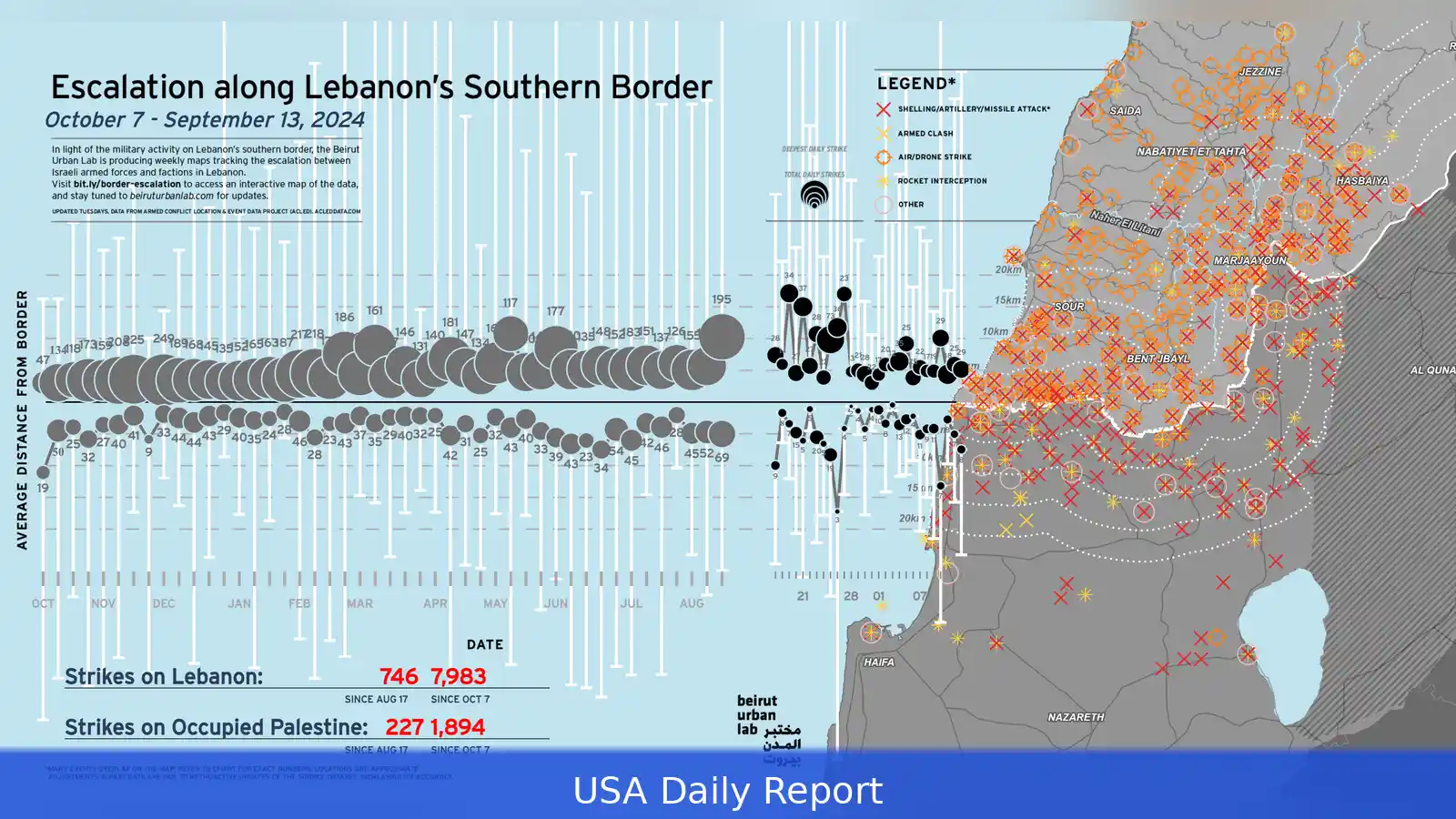
Pharmacies ran low as residents rushed to stock up. A 10-day ceasefire came into effect after days of fighting.
Daily routines disrupted
Shops closed earlier than usual. Many people stayed home instead of going to work. Public transport ran on reduced schedules. You could see it on the streets: the conflict had pushed everyday life aside for days, and people were acting like they expected the disruption to last.
Before the truce, residents described long lines outside pharmacies and hospitals. Demand for basic medicines surged, and some vendors reported empty shelves. Supermarket aisles thinned as households bought more food and household supplies than normal, driven by the fear of shortages.
Small businesses were hit first. Markets that usually hum with trade became quiet. Contractors and daily-wage workers found fewer customers. For many, income dropped almost overnight. That loss of cash flow compounded worries about rising prices and access to essentials.
Prices, work and public services
Prices rose in local markets. Food and transport costs climbed as supply routes faced interruptions. Some people described paying more for basic groceries than they had a week earlier.
At the same time, employers cut hours or closed temporarily because staff couldn't safely travel or customers stayed away.
Public services started to creak under pressure. Medical clinics reported surges in patients seeking non-trauma care, worried about running out of prescription drugs. Hospitals adjusted schedules to deal with supply uncertainty and to keep critical stock. Municipal services such as waste collection and public lighting ran on limited timetables in some neighborhoods, adding to residents' stress.
Humanitarian ripple effects
Beyond daily commerce, the conflict put pressure on humanitarian networks. Nonprofit groups and health providers had to rethink deliveries and clinics as checkpoints and security concerns made movement unpredictable. Shelters and community centers reported higher demand from families seeking safer spaces and from those whose homes were affected by infrastructure damage.
Imported goods showed the strain first when shipments slowed. Lebanon imports a large share of many basic items. That reliance left shops vulnerable when shipments were delayed or when port operations were affected by nearby military activity. For households living month-to-month, even short interruptions in supply can force hard choices about which bills to pay and which to postpone.

Political fallout at home
The fighting sharpened political debates inside Lebanon. Leaders faced pressure to respond to the crisis and to reassure citizens about access to fuel, medicine and electricity. Political actors across the spectrum warned of the social cost of prolonged disruption, asking for measures to protect vulnerable households and to stabilize markets.
For a country still coping with recent economic distress, the added shock of military confrontation worsened instability. Businesses pointed to the need for clear channels to import essential goods and for guarantees that trade routes would remain open when the truce holds. Lawmakers called for emergency steps to support workers who lost pay because of closures.
Regional and international implications
The conflict didn't stop at Lebanon's borders. Regional trade and diplomacy felt immediate pressure as governments and international organizations monitored the risk of escalation. Foreign embassies reviewed contingency plans for staff and citizens. Humanitarian agencies weighed how to keep aid flowing while ensuring the safety of their teams.
This instability matters to the U.S. because it affects consular work and regional diplomacy. Lebanon hosts a sizeable diaspora and is a focal point for U.S. Diplomacy in the eastern Mediterranean. Instability in Lebanon can complicate consular services, humanitarian coordination and broader efforts to support stability in the region. Any prolonged collapse in supplies or governance raises the likelihood of additional displacement, which would require international assistance.
How residents coped
People tried to cope day-to-day: they cut trips, shared supplies and leaned on neighbors. Families consolidated trips for essentials, pooled resources across households and relied on community networks to share food and medicine. Informal credit arrangements re-emerged in neighborhoods where cash was tight. Local charities and neighborhood groups played a role in matching needs to supplies when formal systems slowed.
Many residents described living day-to-day, tracking where supplies were available and which pharmacies still had stock. Some moved to family homes outside the city to avoid cramped conditions and interruptions to utilities. Others said they planned for longer disruptions by setting aside savings when possible and rotating the use of refrigerators and generators to conserve fuel and power.
Historical context
Periodic flare-ups along the Israel-Lebanon frontier have long affected civilian life in Lebanon. Previous rounds of violence forced temporary evacuations, disrupted commerce and strained public services. Lebanon's economy, already weakened by recent crises, responds harshly to shocks in security. Many families had almost no savings, so a price jump or a missed shipment hits them hard.
Lebanon's fragmented politics and armed groups often make it hard for the central government to act quickly. That complexity can slow the government's ability to mobilize assistance and to reopen trade routes quickly. Local officials and aid groups therefore play a central role in immediate response efforts when trust in central institutions is low.
Economic signals and recovery needs
The immediate tasks are clear: get goods moving again and stop prices from spiking. That requires secure transport corridors, functioning ports and predictable customs operations. Restoring confidence among traders and shoppers is also important: when people expect shortages, they buy more, and those purchases push prices higher.
Recovery will depend partly on external assistance. International shipments of medical supplies and food can help fill gaps while local markets normalize. But for such aid to be effective, distribution must be safe and coordinated. Otherwise, deliveries risk getting delayed or concentrated in areas that are easier to reach rather than those with the greatest need.
What comes next
The 10-day ceasefire offers a breathing space for residents and authorities to assess damage and restock supplies. How long those benefits last depends on whether the truce holds and whether movement of goods and services returns to normal. If calm persists, markets and services can begin a gradual reset. If not, Lebanon could face deeper economic pain and growing humanitarian needs.
For now, people in Beirut are counting days and watching supermarket shelves. Their immediate hope is simple: steady access to medicine, fuel and food so life can feel routine again.
Related Articles
- Israeli Strike Destroys Last Litani Bridge
- Ceasefire in Lebanon as Important, Ghalibaf Says
- U.S., Iran Talks Face Push to Extend Ceasefire
A 10-day ceasefire came into effect between Israel and Lebanon.
This article was created with AI assistance.


