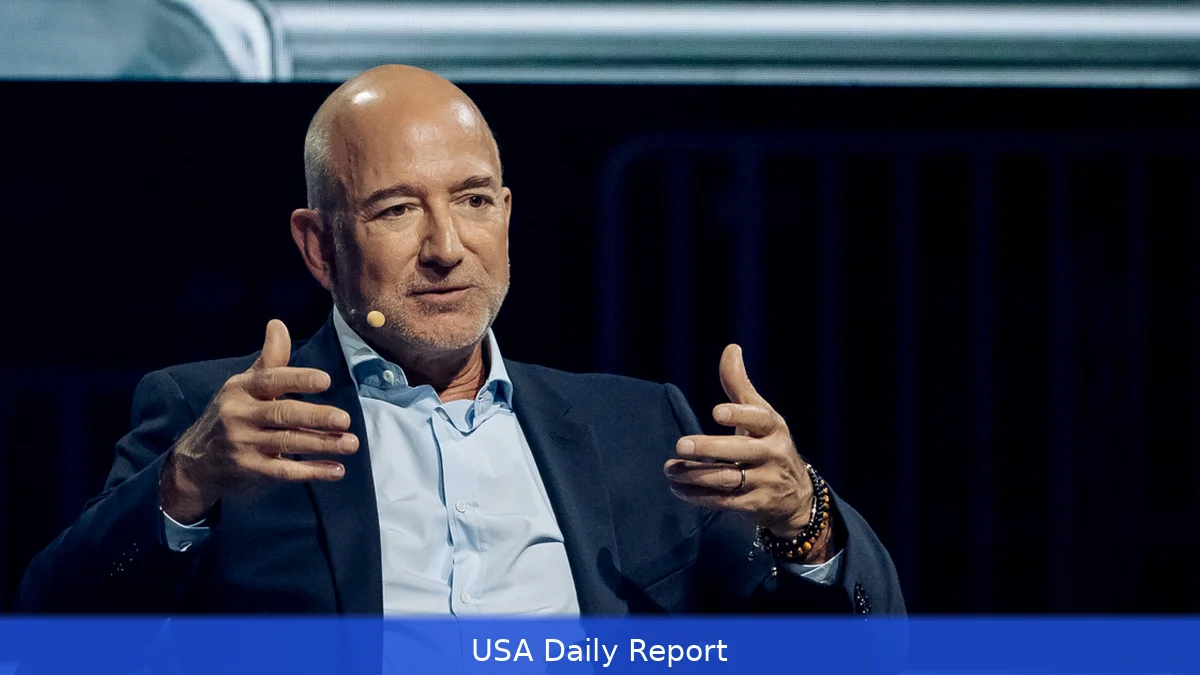
Jeff Bezos is gearing up to make a big move in manufacturing with a new AI-focused investment fund. Meanwhile, fintech star SoFi faces skepticism but shows signs of resilience. These developments might change industries that are struggling with tech challenges and market skepticism.
Bezos’ Bold Bet on AI and Manufacturing
Jeff Bezos is back in the spotlight for business moves, not just his personal life. The Amazon founder is reportedly in early talks to raise $100 billion for a new fund targeting manufacturing companies. The idea: snap up firms in chipmaking, defense, aerospace, and speed up automation through artificial intelligence.
He’s met with major asset managers and travelled to the Middle East and Singapore to drum up support. This fund, described as a "manufacturing transformation vehicle," aims to rival SoftBank’s tech-heavy Vision Fund. It’s a big push into blending traditional industries with cutting-edge AI.
Bezos recently became co-CEO of Project Prometheus, a startup working on AI that models the physical world. The aim is to increase profits by combining AI with practical business processes.
Still, Bezos remains tied to Amazon, holding about 9% ownership and boasting a net worth north of $230 billion. But for now, his attention seems squarely fixed on this new venture.
SoFi’s Stock Surges Amid Short Seller Scrutiny
On the fintech front, SoFi Technologies has been under pressure. A recent short seller report from Muddy Waters painted a grim picture, accusing SoFi of financial missteps and overstating its business health.
The report called SoFi a "financial engineering treadmill," claiming it hid debt and underreported charge-offs.
But SoFi pushed back fast, labeling the report inaccurate and misleading. The company insisted the criticism showed a lack of understanding of its finances. Investors seemed to buy that defense: SoFi shares surged the day after the report dropped.
CEO Anthony Noto boosted investor confidence by buying almost $500,000 worth of shares soon after the report. That kind of insider buying often signals faith in the company’s future.
Despite the noise, SoFi’s growth story remains intact. The company has been consistently profitable, with revenue and earnings expected to grow by 30% and 34%, respectively, in 2026. After a steep drop from late 2025, SoFi’s valuation now looks more reasonable at 29 times forward earnings, down from 44.
What This Means for Investors and Industry
Bezos’ push could reshape manufacturing by injecting fresh capital and AI expertise into sectors that have long lagged behind in automation. If successful, it would accelerate a shift toward smart factories and high-tech production lines, making US manufacturing more competitive globally.
Meanwhile, SoFi’s story shows how fintech firms can weather tough scrutiny and emerge stronger. The company’s fundamentals and growth projections suggest it’s more than just hype. Wall Street analysts see potential for shares to jump 50% or more in the coming years.
These moves show a bigger trend where traditional industries are blending with new technologies. Bezos betting big on AI-driven manufacturing and SoFi navigating skepticism while growing fast point to a financial landscape in flux.
Investors should watch closely to see how these situations unfold. The stakes are high, and the outcomes could redefine sectors for years to come.
The plans for Bezos’ fund and SoFi’s comeback highlight AI’s expanding influence in finance and manufacturing. The next few years could bring major shifts as these plans unfold.


