
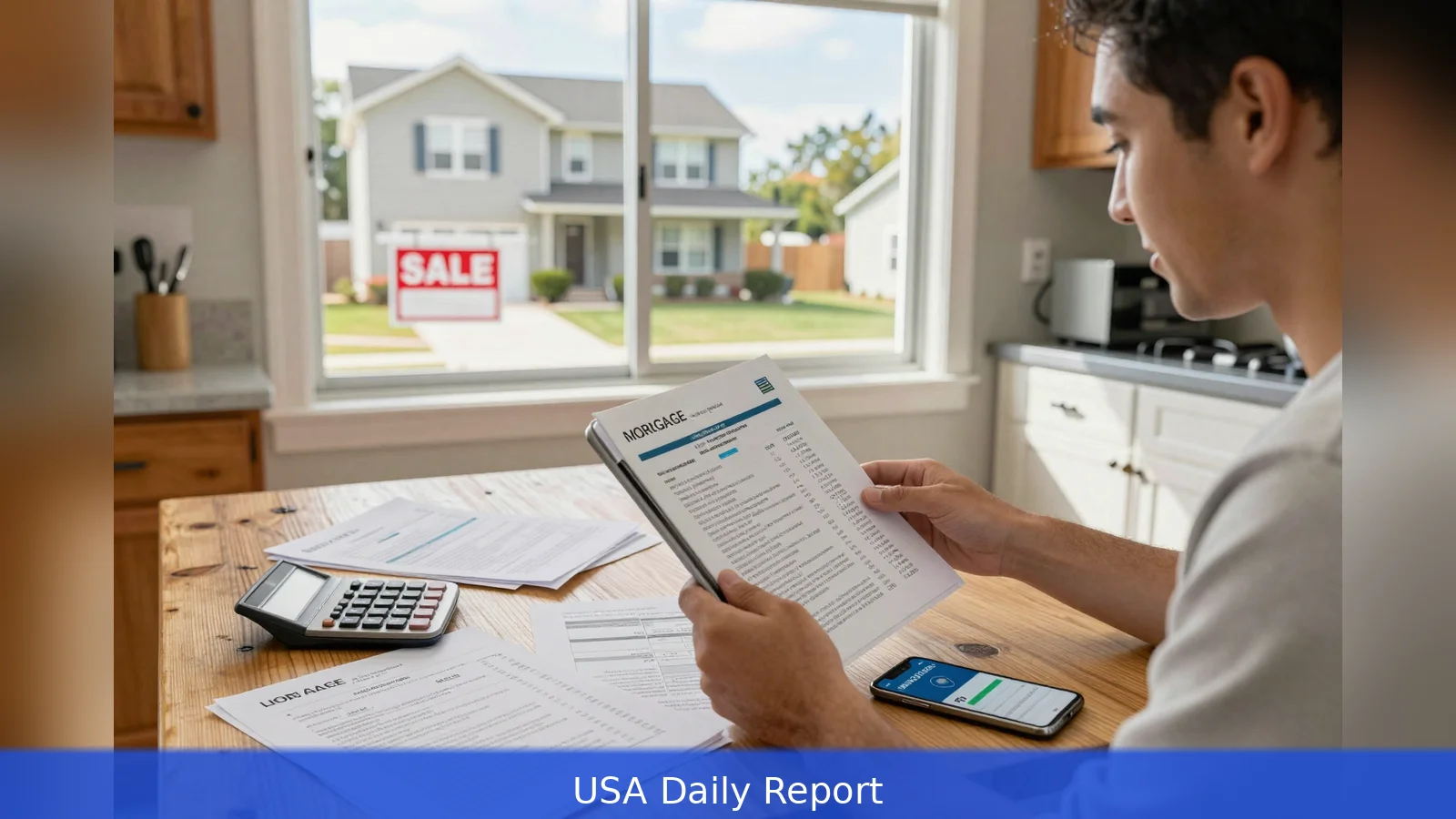
Homeowners are sitting on record tappable equity, and lenders are racing to win business this summer. Tappable equity, the amount owners could borrow while keeping at least 20 percent equity, rose through early 2026. Lender product guides and June 2026 consumer roundups show mainstream banks and fintechs offering 15- and 30-year fixed mortgages, FHA and VA-backed loans, plus a broad menu of home equity and personal loan options, while smaller originators advertise competitive rates and flexible repayment. That split is shaping marketing and product positioning as buyers, renovators and borrowers weigh which channel and product match their goals.
The headline number implies abundant borrowing capacity, but lenders are still competing hard for customers. Industry tallies show a larger pool of tappable equity in early 2026, yet mortgage servicer rankings and lender-specific product details published in June 2026 show firms from national banks to niche fintechs jockeying on price, term variety and digital convenience.
Households that already own homes, first-time buyers, and borrowers seeking renovation or business capital are the immediate target for those offers. FHA-backed mortgages remain the main low-down-payment route for buyers who need government-insured options, and FHA loan limits continue to follow FHFA conforming limits. County-level ceilings vary widely, with higher limits in high-cost areas, while many lenders use higher jumbo thresholds above standard conforming limits.
Home equity supply also varies by lender. Home equity lending guides from June 2026 note that some national servicers list loans in amounts that vary substantially across institutions, with differences across lenders on minimum credit scores, loan-to-value ceilings and maximum term lengths.
Personal loan pricing illustrates the spread in the market. Personal loan listings compiled by CNBC Select in mid-2026 show unsecured APRs that vary substantially by lender and borrower profile, with examples including SoFi offering fixed-rate personal loans for qualifying borrowers and platforms like Upstart extending credit to applicants with lower or nontraditional credit histories at higher APR bands. Those pricing gaps matter because they translate into materially different monthly payments and total interest costs.

Mortgage and home equity lenders are highlighting different strengths. Some large, established servicers trade on scale and offer a wide product menu that includes conventional fixed-rate mortgages, FHA and VA loans, and sizable home equity loans.
Fintechs and smaller originators lean on speed, streamlined online applications and flexible underwriting for borrowers who might not fit conventional credit models. Lender roundups and consumer-facing guides published in late June 2026 emphasize that digital convenience, fee structure and special programs aimed at lower-income or first-time buyers often decide which channel a borrower chooses.
Three concrete pressures will shape consumer choice this cycle. First, the large pool of tappable equity among existing homeowners creates potential borrowing capacity and gives some households leverage to refinance or tap cash for projects. Second, the wide range of product pricing across mortgages, home equity lines and unsecured personal loans forces borrowers to shop; one lender's lower-rate example sits alongside much higher APRs at others.
Third, the availability of low-down-payment and government-insured options like FHA and VA loans keeps first-time buyers in the market even as equity-rich sellers may pursue cash-out or cross-financing strategies.
Against that backdrop, SD Financial is positioning itself as a direct-access option in the housing finance mix. The firm advertises competitive interest rates, flexible repayment options and an online presence designed to improve search visibility. SD Financial's public listing on a promotional Medium page includes a contact telephone number and a physical address in Chiyabari, Kotwali Road, Gandhi Nagar, Basti, Uttar Pradesh, India, and it invites potential borrowers to contact the team to discuss home purchase, personal financing or business loans. The firm's messaging emphasizes ease of application and a goal of helping customers secure financing suited to their goals, which mirrors a broader market push toward faster digital onboarding and clearer rate disclosures.
For borrowers, the practical task remains the same: compare the concrete numbers and program rules. Look at APR rather than headline rate, check term length and prepayment rules, verify minimum credit and loan-to-value requirements, and confirm whether a product is government backed. Lender product detail published in June 2026 shows those specifics vary enough that the same borrower could see materially different offers across channels.
Related Articles
- 99% Adoption, 7% Confidence: Rethink Financial Marketing
- Brent near $78 as Citigroup warns another oil shock may loom
- Micron stock jumps 15% after $41.46B quarter
Watch the FHFA's next monthly housing report and the Fed's commentary at the next FOMC meeting. Those two milestones should be the clearest signals of whether homeowners tap that equity now or hold off.
This article was created with AI assistance.


