
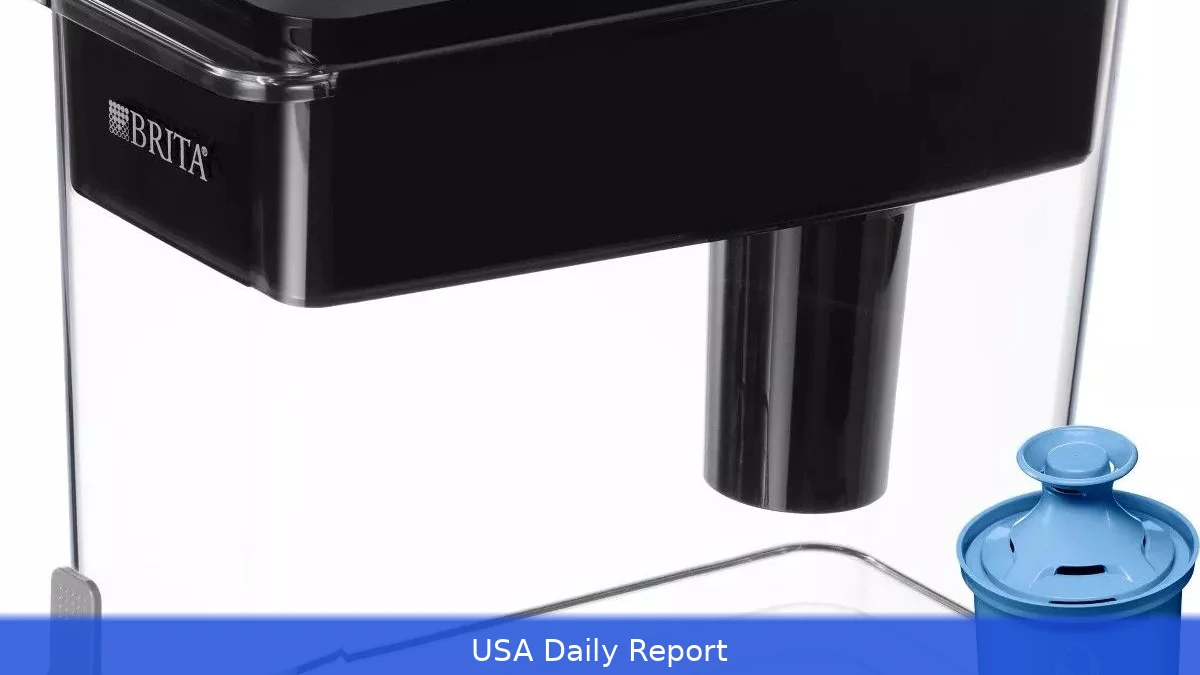
Choosing the right water filter can make a huge difference in the quality and taste of your drinking water. With hundreds of contaminants found in US tap water, a reliable filter pitcher or tap filter can protect your health and improve flavor. From lead and chlorine to pesticides and pharmaceuticals, not all filters handle the same pollutants. This guide breaks down the top water filters for 2026, comparing their features, filtration capabilities, costs, and usability to help you find the right fit for your household.
Quick Comparison of Top Water Filters for 2026
- Brita: Established in 1966, Brita offers a wide product range including 13 different pitcher models. Their Longlast+ filter lasts up to 6 months and removes 99% of lead and chlorine.
- ZeroWater: Known for premium filtration, ZeroWater’s 12-cup pitcher removes nearly all dissolved solids and contaminants, delivering near-zero total dissolved solids (TDS).
- Tap Filters: These filters attach directly to faucets, providing instant filtered water. Though fewer options are available, they offer convenience and ease of use.
1. Brita Water Filters
Brita has been a trusted name since 1966 and continues to lead with a diverse lineup of 13 water filter pitchers in 2026. Their filters use activated carbon and ion exchange resin technology to reduce harmful substances such as lead, cyanide, cadmium, copper, and mercury. Specifically, Brita’s Longlast+ filter removes up to 99% of lead, a major concern in many US cities due to aging pipes. It also significantly cuts chlorine taste and odor, improving water flavor.
Unlike many competitors whose filters last about two months, the Longlast+ filter offers a lifespan of up to six months or 120 gallons of water. This means fewer replacements and less waste. Brita pitchers vary in size from 6 cups to 10 cups, giving households options depending on consumption. All Brita pitchers come with a 100% money-back guarantee within 30 days and a one-year warranty, reflecting confidence in their product quality.
Pros: Extensive product variety allows customization by size and features. Longlast+ filters reduce replacement frequency and cost. Brita’s brand recognition and customer support add peace of mind.
The filters reduce a broad spectrum of contaminants including lead, mercury, and chlorine.
Cons: Standard filters still require replacement every two months, which can add up for heavy users. Some users report slower filtration speeds on larger pitchers. The filter doesn't remove all dissolved solids or pharmaceuticals.
Best for: Families wanting a trusted brand with multiple pitcher sizes and longer filter life. Ideal for those concerned about lead and chlorine but not requiring extremely high filtration levels.
Pricing: Brita pitchers range from $25 for basic models up to $50 for larger or enhanced versions. Replacement Longlast+ filters cost around $15 for a pack of three, offering up to 18 months of filtration total. Standard filters are cheaper at about $10 for a pack of three but last only two months each.
2. ZeroWater Filters
ZeroWater focuses on top-tier filtration with a streamlined product lineup mainly featuring filter pitchers and dispensers. Their standout product in 2026 is the 12-cup pitcher, highly rated for removing nearly all total dissolved solids (TDS), including heavy metals, chlorine, pesticides, and even some pharmaceuticals. Independent lab tests confirm ZeroWater’s ability to reduce TDS to near zero, a level unmatched by many competitors.

ZeroWater uses a five-stage filtration process combining activated carbon, ion exchange resins, and mechanical filtration. This multi-stage system targets a wider array of contaminants than typical two-stage filters. The 12-cup pitcher is popular for its balance of capacity and filtration quality, suitable for medium to large households.
Pros: Exceptional filtration performance, especially for dissolved solids and heavy metals. Simple product lineup makes choosing easy. The filter cartridges have an average lifespan of about 20 gallons or 2-3 months, with an electronic TDS meter included to test water quality before and after filtration. ZeroWater is ideal for households with heavily contaminated source water.
Cons: Filter lifespan is shorter than Brita’s Longlast+, leading to higher replacement costs. The filtration process can be slower, especially on larger pitchers.
ZeroWater pitchers tend to be more expensive upfront, ranging from $40 to $60. Some users find the taste slightly flat due to aggressive filtration removing beneficial minerals.
Best for: Those needing premium filtration for well water, older city water with lead risks, or highly contaminated supplies. Also a good choice for health-conscious consumers wanting near-pure water.
Pricing: The ZeroWater 12-cup pitcher costs about $45 to $60. Replacement filters are priced around $15 to $20 each and last approximately 2-3 months depending on water quality. The included TDS meter adds value by letting users monitor filter effectiveness.
3. Tap Filters
Tap filters attach directly to your kitchen faucet, providing filtered water instantly without the need for a pitcher. In 2026, the most popular tap filters in the US include brands like PUR, Culligan, and Brita's own faucet models. These filters typically use activated carbon and ion exchange technology to reduce chlorine, lead, and some sediments.
Tap filters offer convenience for busy households. They often include a switch to toggle between filtered and unfiltered water, preserving filter life. Installation is usually straightforward and doesn’t require plumbing expertise. Some models can filter up to 100 gallons before needing replacement, translating to roughly 3-4 months of use for an average family.
Pros: Instant filtered water without waiting for pitchers to fill. Saves counter space and reduces plastic waste. Easy installation and switching between filtered and tap water. Good reduction of chlorine, lead, and some metals.
Cons: Fewer product options than pitchers. Some tap filters don’t remove as wide a range of contaminants, missing dissolved solids and pharmaceuticals.
Replacement filters tend to be more expensive, around $20 each, and must be changed every 2-3 months. Not compatible with all faucet types, especially pull-out or spray faucets.
Best for: Households wanting quick, on-demand filtered water without pitcher refills. Suitable for renters or those with limited counter space. Good for moderate water quality improvement.
Pricing: Tap filters generally cost between $30 and $60 upfront. Replacement cartridges range from $15 to $25 depending on brand and filtration level. Installation kits are often included.
Brita stands out for variety and longer filter life, making it the go-to for most families looking for reliable, cost-effective water filtering options. ZeroWater takes the lead for those needing premium filtration to handle heavily contaminated water, with near-total removal of dissolved solids, though at a higher cost and shorter filter lifespan. Tap filters offer unmatched convenience for instant filtered water with minimal fuss, though they don’t always remove as many contaminants. Your choice depends on water quality, household size, and budget.
This article was created with AI assistance.


