
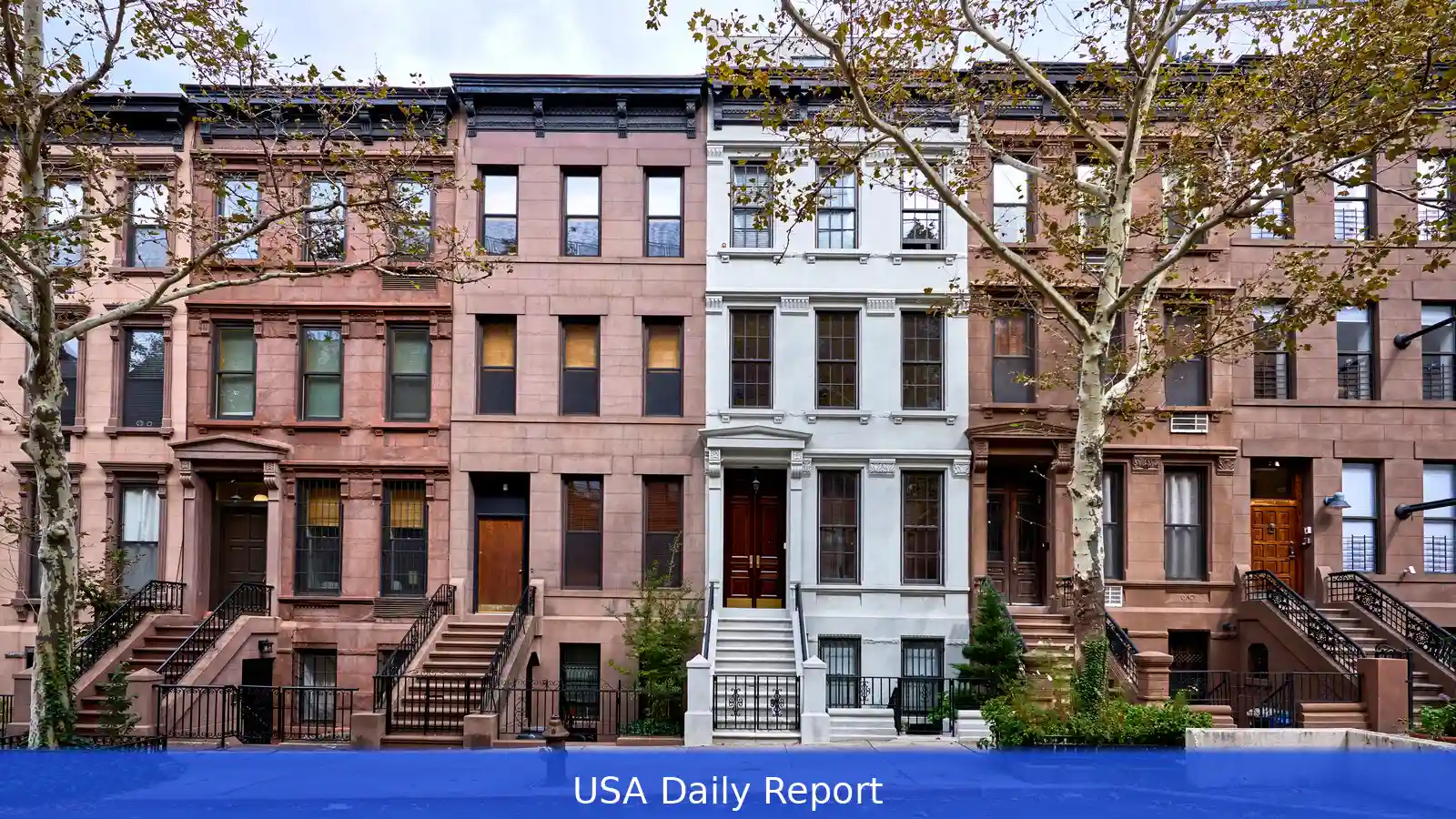
Many people misunderstand rent-controlled apartments in U.S. housing law. Here’s a straightforward guide with 2026 updates on what rent-controlled apartments mean, how to check if one qualifies, and what renters and landlords should do. It includes key dates, local rules, useful links, and a checklist to help people act fast and with confidence.
Quick reference
- Rent controlled apartment meaning: a unit whose rent increases and evictions are restricted by local law, not federal law.
- Where it exists: select cities and states — for example, New York City, San Francisco, Los Angeles, Berkeley, Santa Monica, West Hollywood, Oakland and a few other localities.
- Key differences: rent control (tight caps and vacancy limits) vs rent stabilization (annual indexed increases) vs market-rate vs subsidized housing.
- 2026 examples: San Francisco protections generally cover units built before June 13, 1979; Los Angeles Rent Stabilization applies to buildings built on or before Oct. 1, 1978; New York City rent control ties to move-in dates like July 1, 1971 and building dates like Feb. 1, 1947 for some rules; Providence proposed a 4% cap in 2026 legislative proposals; California's Costa-Hawkins Rental Housing Act (1995) still shapes local rules, including vacancy decontrol and exemptions for units first occupied after Feb. 1, 1995.
- Official help: start at https://www.usa.gov/housing, HUD at https://www.hud.gov/, and local rent boards — San Francisco Rent Board https://sf.gov/rent-board, New York State Homes and Community Renewal https://hcr.ny.gov/, Los Angeles Housing Department https://hcidla.lacity.org/, and NYC Rent Guidelines Board https://www.nyc.gov/rentguidelinesboard.
What "rent controlled apartment" means
A rent-controlled apartment is a rental unit covered by a municipal ordinance that limits annual rent increases and often creates extra eviction protections. It's not a federal thing — it's a patchwork of local rules. So whether a unit is rent controlled depends on where it stands, the building's construction date, number of units, and the tenant's move-in date.
Right now, but terms vary and that creates confusion. Two common labels you'll run into:
- Rent control: strict caps on what landlords can charge and tight limits on how rent may change between tenants. Very few U.S. Cities still maintain classic vacancy-control rent control; New York City still has a narrow form of rent control that applies to older, qualifying tenancies.
- Rent stabilization: more common. Rents can rise, but increases are limited and typically set or approved annually by a rent board or index. New York City and many California municipalities use stabilization systems.
Prerequisites — what you need to check first
Before you file anything or call an attorney, gather basic facts. They'll tell you whether a deeper check is worthwhile and which office to contact.
- Lease and signed addenda: check the lease start date and any language about local rent control or registration numbers.
- Building information: find the construction year on the deed, city assessor site, or certificate of occupancy. Many rules hinge on exact cutoff dates — June 13, 1979 in San Francisco, Oct. 1, 1978 in Los Angeles — so get the date right.
- Unit history: note the tenant's move-in date. In New York, rent control and stabilization status depends heavily on move-in and building dates such as Feb. 1, 1947 and July 1, 1971.
- Unit type and ownership: single-family homes and condos are often exempt under state laws like California's Costa-Hawkins (1995). Confirm current ownership and whether the building receives tax or subsidy benefits that could trigger coverage.
Step-by-step: how to verify if a unit is rent-controlled or rent-stabilized
Follow these steps in order to avoid unnecessary effort.
- Step 1 — Check the lease and ask the landlord in writing. Ask for a rental registration number, rent history, and the building's certificate of occupancy date. Many landlords keep records and will respond within 10–14 days.
- Step 2 — Search official databases. Use the local rent board website: San Francisco Rent Board (https://sf.gov/rent-board), NY HCR (https://hcr.ny.gov/), LA HCIDLA (https://hcidla.lacity.org/). These sites let you check building registration, and in some places you can request an official rent history.
- Step 3 — Confirm construction year via county assessor or building department. County assessor portals list year built and parcel IDs. Expect to spend 5–30 minutes per query.
- Step 4 — Request an official rent history. Many boards provide an official rent-history report for a fee or for free; processing commonly takes 2–8 weeks depending on backlog. Keep a copy of your request and any confirmation number.
- Step 5 — If records are unclear, file a petition or complaint with the rent board. Most agencies have a formal petition process and a small filing fee. Typical fees are modest — often under $100 — and fee waivers are available in some cities for low-income applicants.
- Step 6 — If the rent board rules a unit is covered, follow its order. That could mean rollbacks, refund orders, or adjusted future increases. If you disagree with the board decision, appeal procedures and timelines (often 30 days) are posted on the agency site.
What protections usually include
Protections differ, but usually include some of the following:
- Limits on annual increases — set by statute or a rent board.
- Rules about vacancy increases — whether a landlord can raise rent to market when a tenant leaves. Vacancy control vs vacancy decontrol is a major difference; Costa-Hawkins (1995) in California preserved vacancy decontrol in many cities.
- Just-cause eviction rules — landlords must state a legal reason (nonpayment, lease breach, owner move-in, demolition, etc.) to evict a tenant.
- Right to a written rent-history and registration numbers; penalties for noncompliance can include fines and refunds.
Tips — practical advice for renters and landlords
- Document everything. Save leases, emails, rent receipts, maintenance requests and certified mail receipts. Those are the primary evidence if a rent board challenge happens.
- Time matters. Many protections hinge on specific cutoffs — exact dates like June 13, 1979 (San Francisco), Oct. 1, 1978 (Los Angeles), Feb. 1, 1947 and July 1, 1971 (New York)— so confirm dates early.
- Use the right office. If you're in New York City, contact NY HCR for stabilization questions and the NYC Rent Guidelines Board for policy info. In California, local rent boards plus state pages at the Department of Consumer Affairs can help.
- Expect processing times. Official rent-history requests and petitions often take weeks. If you need emergency relief (illegal lockout, harassing eviction), call the local housing department or a legal aid hotline — many cities provide 24–48 hour emergency responses.
- Watch state law changes. California discussions about Costa-Hawkins and other states' legislative proposals can change coverage. For example, Providence debated a 4% cap in 2026 proposals — that shows how fast things can move at the state or municipal level.
Common mistakes to avoid
- Assuming "rent stabilized" means the same everywhere. Terms differ by city — check the local ordinance rather than relying on shorthand.
- Relying solely on oral promises. If a landlord says the unit isn't covered, get it in writing and verify it against official records.
- Missing deadlines. Appeals and petitions have short windows — often 30 days — so act fast once you get a decision or notice.
- Ignoring small fees. Filing or waiver procedures sometimes require a small fee; failing to include that can delay your petition.
- Skipping legal help on complex cases. For rent rollbacks, treble damages claims, or owner-occupied evictions, a tenant attorney or legal aid group can make the difference. Many cities have tenant unions or legal clinics that work on sliding-fee or pro bono bases.
Related Articles
- California rent control 2026: Law, limits, steps
- FHA Loan Limits 2026 — San Bernardino County
- What Determines Medicaid Eligibility in 2026
If a unit is rent controlled or rent stabilized, the rules for rent increases and evictions change for both sides — but the exact changes depend on local law and specific dates. Start at the local rent board, get the rent history, document every interaction, and file a petition if records or the landlord's statements conflict with official data. Useful starting links: https://www.usa.gov/housing, https://www.hud.gov/, https://sf.gov/rent-board, https://hcr.ny.gov/, https://hcidla.lacity.org/.
This article was created with AI assistance.


