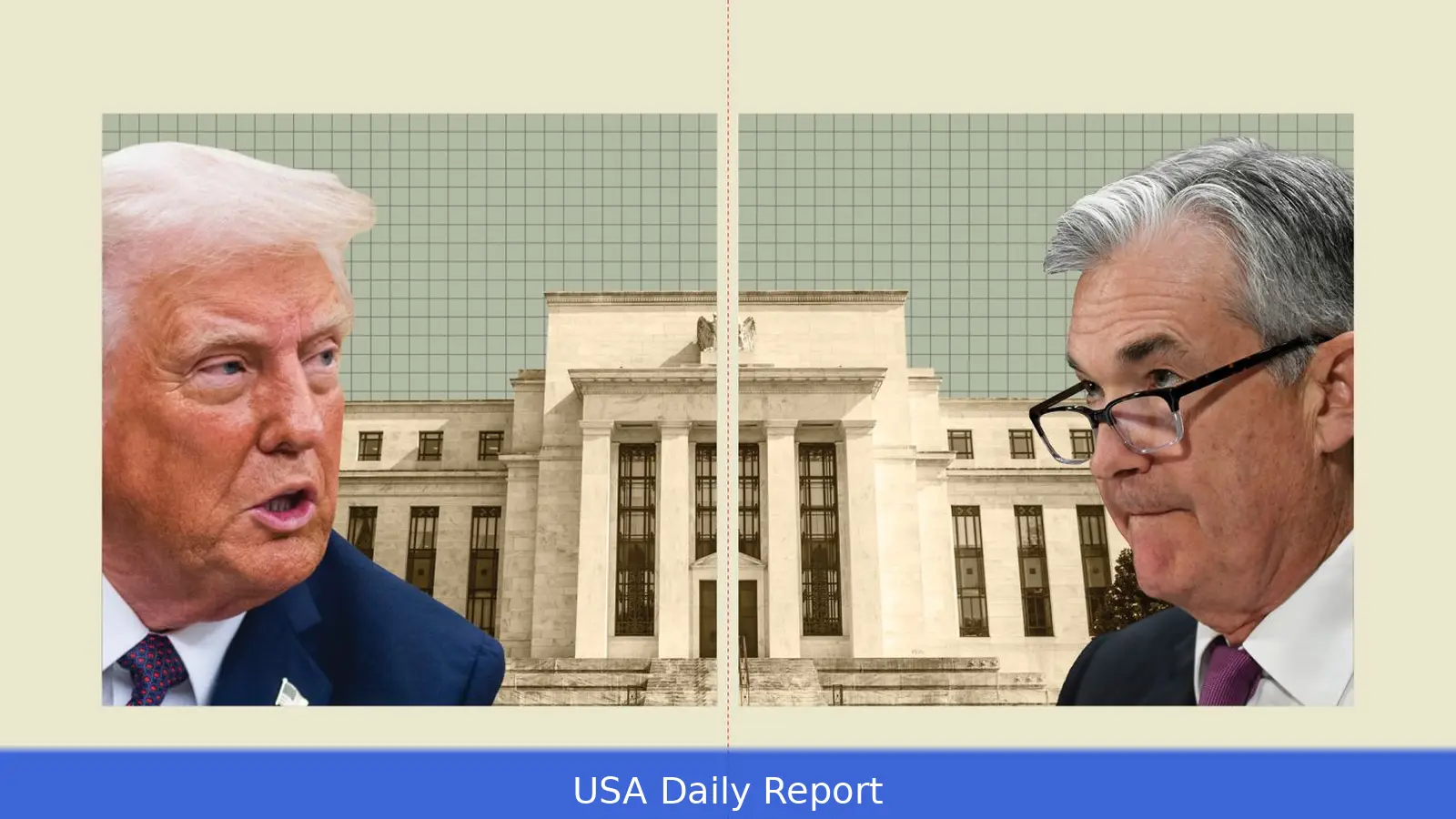
Trump said he'll fire Powell next month if he doesn't step down. A federal judge has blocked subpoenas tied to a criminal probe of Federal Reserve Chair Jerome Powell.
Court rebuke halts subpoenas
Judge James Boasberg on Friday rejected subpoenas the Justice Department issued to the Federal Reserve Board seeking records about renovations at the Fed's headquarters, saying the legal effort looked more like political harassment than a legitimate criminal inquiry.
Boasberg wrote that the evidence showed the government had targeted Powell "out of malice or an intent to harass" and described the process as a "fishing expedition" to pressure the Fed chair or find something to pin on him. The judge also noted President Donald Trump's repeated public attacks urging lower interest rates.
The White House authorized the subpoenas in January as part of a reported criminal inquiry into renovations that ran over budget and took longer than planned. Federal Reserve officials have said the agency scaled back the original renovation plans; the administration alleged potential problems with cost and oversight.
Boasberg's ruling blocks the specific records requests at issue, but it doesn't categorically end the broader probe. The Justice Department could seek other legal paths, issue new subpoenas or appeal the decision to a higher court.
A political stalemate in the Senate
Jerome Powell's term as Fed chair technically expires on May 15. But he remains in place until the Senate confirms a successor, by law. President Trump nominated financier Kevin Warsh for the job months ago, yet the Senate hasn't advanced the nomination.
Senator Thom Tillis (R-N.C.) has refused to move Warsh's nomination forward unless the administration drops its criminal investigation of Powell into the renovation project. Tillis has said he won't allow additional Federal Reserve nominees to proceed while the probe remains active.
The Senate stalemate has trapped the White House: without Senate action, it can't install a new Fed chair and must keep Powell in place. If the Senate stalls, Powell keeps his post. If the White House tried to oust Powell without the 'for cause' grounds the law demands, courts would likely block the move. And if the Justice Department persists with the renovation inquiry, it risks being portrayed as a lever to influence central bank policy.
Pressure on central bank independence
Since his appointment, Powell has drawn fire from President Trump for holding policy to the Fed's mandate rather than following the president's repeated calls for lower rates. In comments to media last year, Mr. Trump said he wanted Powell to cut rates; the president told an interviewer that firing the Fed chair remained an option if Powell didn't step down "on time."
Powell pushed back publicly when the subpoenas were announced, saying the investigation appeared to be political retaliation for the Fed's decisions on interest rates. In a statement, Powell said the scrutiny followed the Fed's practice of setting policy "based on our best assessment of what will serve the public, rather than following the preferences of the President."
Boasberg's ruling underscores a constitutional clash — courts must police abuse of process when prosecutors target independent agencies. Judges are tasked with policing abuse of process; Boasberg concluded that the subpoenas presented abundant evidence of improper motive. That finding elevates the legal bar for the Justice Department if it wants to continue pursuing the inquiry.
Practical stakes for monetary policy and markets
The judge's order won't alter how the Fed sets policy or what it says publicly; it only narrows one investigative avenue. This episode shows how political pressure — from public attacks to legal probes tied to rate disagreements — can threaten a Fed chair's independence. Powell's ability to act without fear of personal legal exposure has implications for how markets perceive the Fed's resolve on inflation and interest-rate decisions.
Fed independence rests partly on the expectation that central bankers will make policy on economic grounds. When the executive branch uses criminal investigations or other tools to signal displeasure, that expectation gets strained. Markets, fiscal actors and international partners all watch for signs that monetary decisions are being driven by political pressures rather than data.
For the White House, the enforcement route was a possible way to gain leverage after months of public pressure proved ineffective. But the legal setback reduces the immediate options available to force a change at the Fed without Senate cooperation. That matters because a confirmed replacement would give the administration a clearer hand in shaping policy, at least for the chair's seat.
What comes next
The Justice Department hasn't said if it'll appeal, and the White House hasn't commented; as of Friday neither had filed an appeal or announced new subpoenas. Lawmakers and political strategists are now weighing whether the standoff will resolve through negotiation, new legal filings or further Senate brinkmanship.
Sen. Thom Tillis is blocking Fed nominations, creating a backlog that keeps Powell in office until the Senate acts. It's a lever he and other senators can use to try to force the administration's hand. But holding the nomination hostage also prolongs the uncertainty around leadership at the central bank.
For now, Jerome Powell remains in charge. He was nominated by President Trump in 2017 and has overseen policy through multiple cycles of rising and falling interest rates. The legal shield that keeps him in place until a successor is confirmed means the administration must secure Senate action if it wants a change at the top — or find a lawful path that survives judicial review.
Related Articles
- Decades-Old Legal Question Roils Fed Chair Fight
- Stock Rally Pauses as Traders Eye Iran Ceasefire Outcome
- Jet fuel squeeze hits airlines, travelers
"given all the evidence, the only reasonable inference is that the Government targeted Powell 'out of malice or an intent to harass' and has launched a 'fishing expedition' to either find something to pin on him or to pressure him to fold," Judge James Boasberg wrote.


