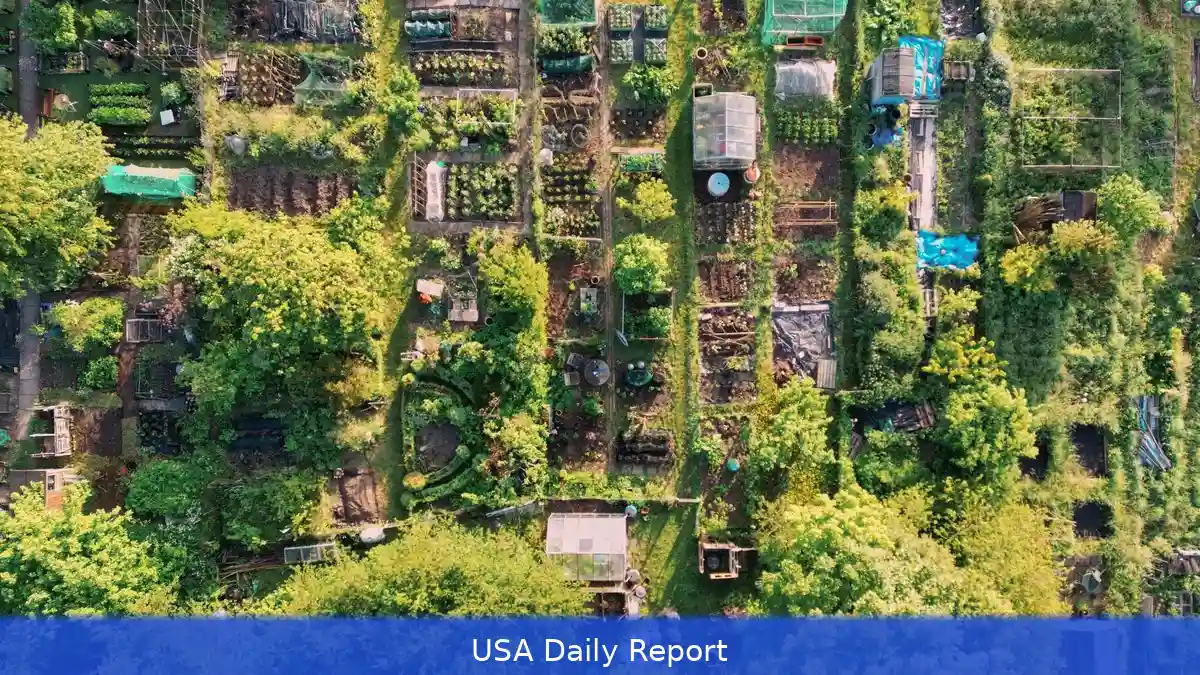
Thinking about getting an allotment garden in the US for 2026? Here’s how to join a waiting list and pick the best crops for your space. I’ll walk you through the process, important deadlines, who qualifies, and some tips to grow a great garden.
Key Dates for US Allotment Waiting Lists in 2026
Allotment gardens, often managed by local municipalities or community organizations, typically open their waiting lists annually. For 2026, many cities start accepting applications in the late winter or early spring — usually between February 1 and April 30. For example, New York City’s Department of Parks & Recreation typically opens applications for community gardens in early February, with deadlines around April 15. Chicago’s allotment programs often run similar schedules, with applications opening in mid-February and closing by April 30.
Keep in mind, these dates can change depending on local budgets and staff, so check your city or county website often. Some smaller towns and counties operate rolling enrollment, meaning they accept applications throughout the year but allot spaces as they become available, which can sometimes speed up the process. However, these spots still fill up fast, especially in urban areas.
For context, in San Francisco, the Recreation and Park Department opens allotment garden applications in early March, closing them by the end of April. They then notify applicants by late May or early June, allowing gardeners to prepare for the spring planting season starting in late March or April. Other cities, like Seattle and Portland, tend to follow a similar timeline but sometimes hold information sessions or open houses in January or February to help applicants understand the process.
How to Get on an Allotment Waiting List
Right now, step 1: Identify Your Local Allotment Program
The first step is locating the community gardens or allotment programs in your area. Most allotments are managed either by city parks departments, local nonprofits, or community organizations. Search for terms like “community garden application” or “allotment waiting list” along with your city or county name. For example, New York City’s Department of Parks & Recreation manages more than 600 community gardens and allotment plots across five boroughs.
Their website, Https://www.nycgovparks.org/, lists available gardens and application details.
Sure, step 2: Check Eligibility and Requirements
Most programs require applicants to be residents of the city or county to qualify. Proof of residency can be a utility bill, driver’s license, or lease agreement. Beyond residency, some programs prioritize applicants based on certain criteria, including income level, veteran status, seniors over 65, or people with disabilities. For example, Chicago’s community garden program gives preference to low-income residents and seniors, as outlined on their official site, Https://www.chicagoparkdistrict.com/. Eligibility requirements vary widely, so carefully review the application instructions for your area.
Look, step 3: Submit Your Application
Applications are mostly submitted online nowadays, but some smaller towns may still require paper forms submitted in person or by mail. The application typically asks for your contact information, proof of residency, and sometimes your gardening experience or motivation. Some cities charge a nominal application fee, usually between $5 and $20, to cover administrative costs. For instance, San Francisco charges a $15 nonrefundable fee with the application. Remember to keep copies of your submission and receipts.
Here's the thing — step 4: Wait for Your Turn
Allotment waiting lists can be long, especially in cities with high demand. It’s not uncommon for waiting times to stretch from one to five years depending on location. New York City gardeners report waits of two to three years on average. Some cities allow you to remain on the list indefinitely, but others require annual renewal or reapplication. Stay in touch with your program coordinator to confirm your status and update your contact info if it changes. Some programs send periodic reminders or newsletters to keep applicants informed.
What to Grow in Your Allotment Garden
After you get your plot, deciding what to plant is really important. The choice depends on your climate zone, plot size, and personal preferences. Most allotment plots range from 100 to 400 square feet. To maximize yield, many gardeners focus on vegetables and herbs that provide high returns per square foot.
For example, tomatoes, peppers, and cucumbers are popular in warmer climates like California and the southern US. Cool-season crops like lettuce, spinach, and radishes do well in northern states with shorter growing seasons. Root vegetables such as carrots and beets are versatile and store well. Herbs like basil, parsley, and cilantro are low-maintenance and can be grown in containers or smaller sections.
To keep your soil healthy, try rotating your crops each season. Avoid planting the same family of crops in the same spot year after year to reduce pests and diseases. Companion planting — such as planting marigolds alongside tomatoes to deter pests — can improve yields organically.
Lots of community allotment programs hold workshops on soil prep, composting, and organic pest control. For instance, Chicago’s Park District hosts seasonal gardening classes that are open to allotment holders. Check with your local program for similar opportunities.
Tips for Managing Your Allotment Garden
1. Visit your plot regularly — at least twice a week during growing season — to water, weed, and monitor for pests.
2. Start seeds indoors early in the year to get a head start on the growing season.
3. Use raised beds or containers if soil quality is poor or to maximize space.
4. Mulch your beds to retain moisture and control weeds.
5. Join your local allotment community or garden club to swap seeds and share advice.
Common Mistakes to Avoid
Don’t apply late — missing deadlines usually means waiting another year.
Don’t ignore eligibility rules — submitting incomplete or incorrect documents leads to disqualification.
Don’t forget to renew your spot if required — some programs remove inactive applicants.
Don’t overcrowd your plots — overplanting can stress plants and reduce yields.
Don’t neglect soil health — failing to amend or rotate crops leads to poor growth.
Related Articles
- Best US Beaches 2026 — Blue Flag Awards and Hidden Gems
- Best US Road Trips 2026 — Scenic Drives and Weekend Routes
- Best Christmas Markets US 2026 — Dates, Locations and Tickets
Getting on a US allotment waiting list for 2026 takes patience but it’s worth it if you want your own gardening space. Apply early, check local deadlines, and prepare your application carefully. Once you have your plot, plan your crops according to your region’s climate and soil. Regular care and community involvement will help you make the most of your allotment garden.


