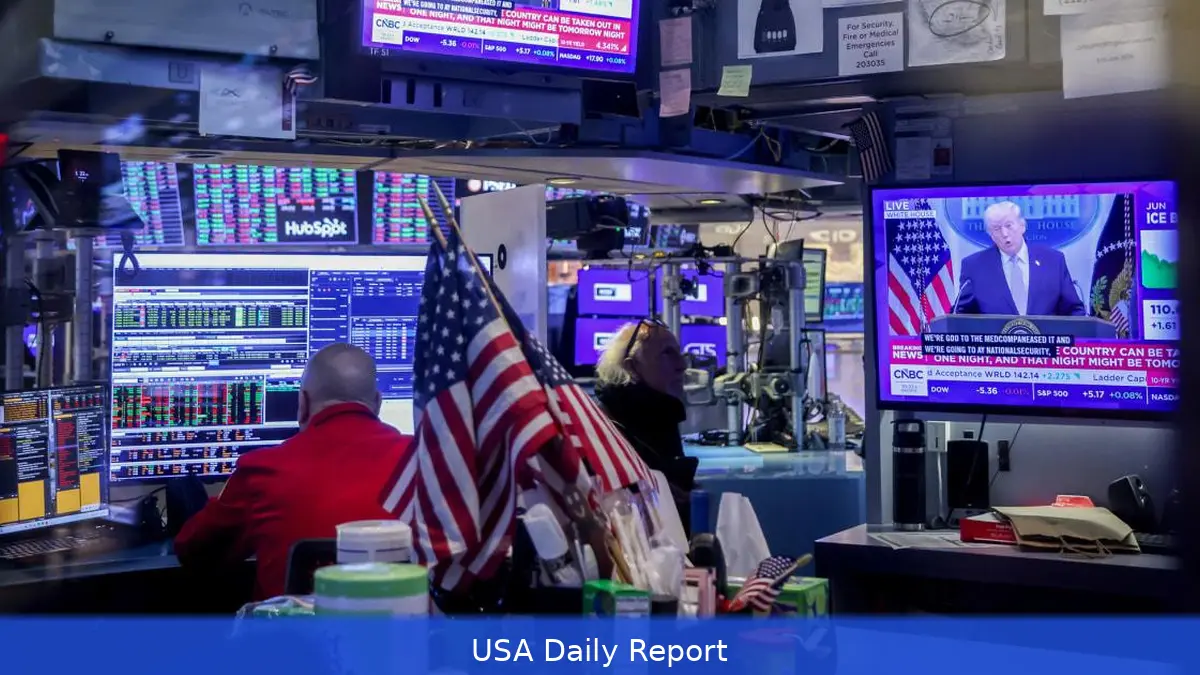
Oil prices took a sharp dive below $100 a barrel, while U.S. Stock futures surged following news of a tentative two-week ceasefire between the U.S. And Iran. The agreement includes reopening the crucial Strait of Hormuz, easing fears of a prolonged disruption in global oil supplies.
Markets React to Ceasefire Announcement
Oil, which had spiked dramatically earlier in the week, fell back as the U.S. And Iran agreed to a temporary halt in hostilities. U.S. Crude futures plunged 14.3% to $96.83 a barrel, and Brent crude, the global benchmark, dropped 13.3% to $94.74 a barrel. Those are significant retreats from prices that climbed well above $110 just days ago.
Asian stock markets responded enthusiastically. Japan’s Nikkei 225 rallied nearly 5%, while South Korea’s Kospi jumped 5.6%. Futures tied to the S&P 500 advanced 2.3% late Tuesday, and Dow futures rose 2%, signaling investors' relief over the prospects of eased tensions in the Persian Gulf.
The Strait of Hormuz: A Key Artery for Global Oil
The Strait of Hormuz is a narrow passageway through which nearly one-fifth of the world’s oil supply passes. Iran’s control over the strait gave it leverage to disrupt shipments during the recent conflict escalation. Earlier threats from Iran to block the strait had sent shockwaves through energy markets, pushing oil prices to levels not seen in years.
But the ceasefire agreement includes Iran allowing passage through the strait under military oversight for two weeks. That shift helped calm fears about a long-term chokehold on oil exports, a factor that had traders on edge.
Volatility as Ceasefire Details Remain Fuzzy
Still, uncertainty lingers.
Neither side provided a clear timeline for when the ceasefire would officially begin, and attacks continued in the region even after the announcement. The volatile nature of the conflict has led to wild swings in both stock and oil markets in recent weeks.
Earlier on Tuesday, the S&P 500 saw wild intraday moves. It dropped as much as 1.2% but recovered to finish with a modest gain of 0.1%. The Dow dipped slightly, while the Nasdaq eked out a small gain. Traders were reacting to a threatening message from President Trump, who warned of devastating consequences if Iran didn't reopen the strait by an 8 p.m. Eastern deadline.
Diplomatic Efforts and Market Impact
Frankly, diplomacy played a key role in easing market fears. Pakistan’s prime minister appealed to both sides, urging Trump to extend his deadline by two weeks and calling on Iran to cooperate.
That diplomatic push likely helped stabilize markets and avoid a sharp selloff.
Oil prices had surged earlier in the week due to concerns that the conflict would severely disrupt crude production and transportation in the Persian Gulf. The region is home to some of the world’s largest oil producers, and any extended conflict could have led to a spike in energy costs worldwide.
Why the Markets Care
Oil prices influence everything from gasoline costs to manufacturing expenses. Surging energy prices can stoke inflation, hurting consumers and slowing economic growth. The recent spike had many worried about a repeat of past energy shocks that knocked the U.S. Economy off balance.
The stock market turmoil reflected investors’ anxiety over the conflict’s broader economic fallout. When the Strait of Hormuz was under threat, traders feared supply shortages and rising costs for companies dependent on oil. Stocks fell as investors fled risk.
Looking Ahead: What to Watch
Sure, the ceasefire could offer a brief respite, but the situation remains fragile. The lack of clear enforcement mechanisms and ongoing regional attacks mean the risk of renewed tensions is high. Markets are likely to stay jittery until a more permanent resolution is reached.
Investors will be watching diplomatic developments closely. Any signs that the ceasefire will hold could push oil prices even lower, easing inflation fears and boosting stocks. But a breakdown could send prices soaring again and trigger fresh market volatility.
Energy companies, shipping firms, and industries sensitive to fuel costs will remain in focus. Their stock performance will provide clues about how the market perceives ongoing risks to supply chains and costs.
So, while today’s moves offer some relief, the bigger question is whether peace talks can hold long enough to calm markets for good. Until then, investors face a rollercoaster ride driven by the unpredictable politics of the Persian Gulf.
Late Tuesday’s ceasefire talks brought a momentary calm to roiled markets, but the fragile peace left plenty of uncertainty. Traders will be watching closely in the days ahead as the U.S. And Iran deal with a tense truce that could reshape oil prices and stock market sentiment.


