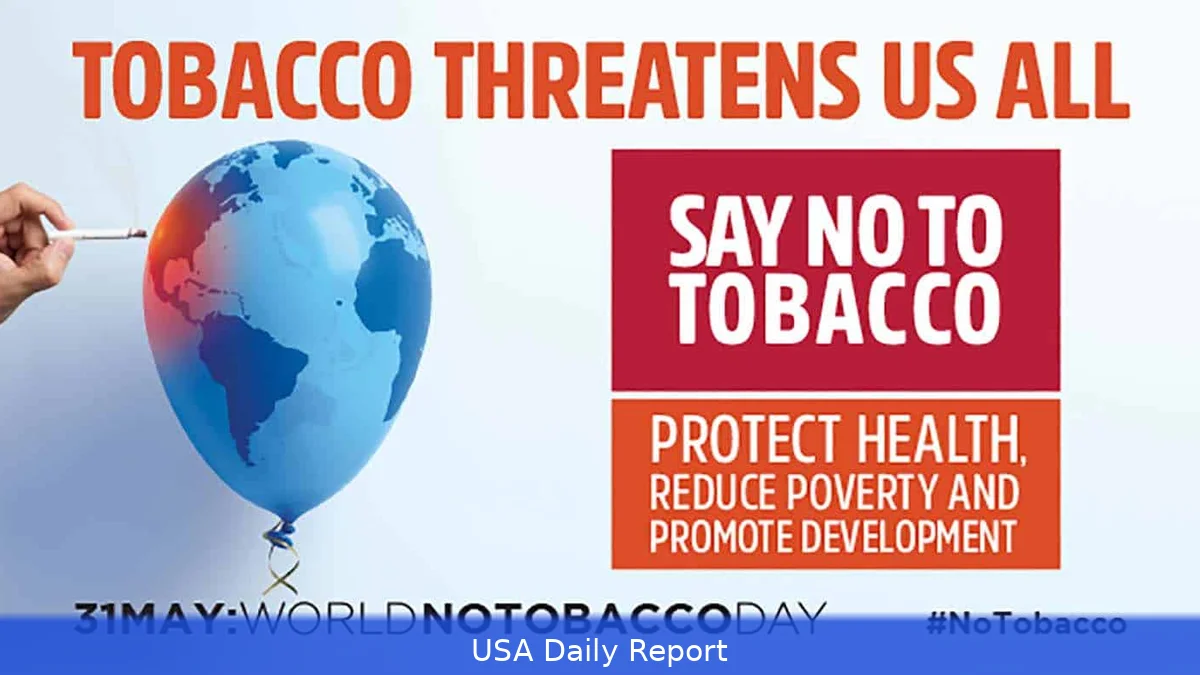
Jeffrey Wigand, the whistleblower who exposed tobacco industry secrets in the 1990s, is now watching tech giants face similar scrutiny. A recent Los Angeles jury found Meta and YouTube negligent over addictive social media products targeting children. The echoes of the tobacco wars are loud.
From Tobacco to Tech: A Familiar Battle
Jeffrey Stephen Wigand doesn’t mince words about social media. He’s called it “evil,” a sentiment shaped by his decades-long fight exposing harmful corporate practices. In the late 1980s and early 1990s, Wigand was a key insider at Brown & Williamson, a major tobacco company. He revealed how executives hid the truth about cigarettes’ addictiveness and carcinogenic risks. Now, Wigand sees a troubling repeat — tech companies deliberately crafting addictive platforms that hook kids.
Last week’s verdict in California marked a watershed moment. A jury found Meta and YouTube negligent in how their products harmed young users, particularly children. The case relied heavily on internal documents showing company leaders dismissed warnings about addictive features. Meta also faces related rulings in New Mexico over child exploitation on its platforms. These are the first judicial findings holding Meta accountable for social media’s impact on youth mental health.
Whistleblowers like former Meta employee Arturo Béjar have been crucial, providing internal evidence that tech giants downplayed or ignored the risks. Wigand draws a direct line from his tobacco experience to today’s tech trials.
“I always considered social media evil because it deliberately targets children to create addiction,” he said.
The Anatomy of Addiction: Tobacco and Social Media
Wigand’s role in the tobacco saga began when he raised concerns about an additive—coumarin—that had carcinogenic properties. Company leadership ignored him, and after he was fired, he went public. His revelations helped fuel federal investigations that eventually led to landmark settlements and regulations.
The tobacco industry had long denied cigarettes were addictive, but Wigand exposed their strategy to keep consumers hooked.
Social media companies, according to litigation, appear to have followed a similar path. Internal Meta documents revealed in court show executives knew preteens used their apps and aimed to maximize screen time — a tactic experts say fosters addiction. Meta’s CEO Mark Zuckerberg testified this year, disputing claims that their platforms are addictive or directly cause mental health problems. But critics say the defense mimics tobacco’s old playbook: deny addiction to avoid liability.
Legal experts see big parallels. John Uustal, a lawyer with extensive tobacco litigation experience, said the similarities are striking. “Once you admit addiction, you lose the legal battle,” he said. Unlike tobacco, social media firms argue their products also offer benefits like community and creativity for young users. Still, some health advocates push for warnings on social media similar to tobacco labels.
Financial Stakes and Industry Fallout
These lawsuits carry major financial and reputational risks for tech giants. The tobacco trials in the 1990s led to massive settlements totaling billions and strict regulatory oversight. For Meta and other platforms, the legal pressure could prompt costly changes in product design and policies around youth protection.
Snap and TikTok, facing similar claims, settled out of court in the California case, signaling the financial exposure is real. Meta continues to fight, but the mounting verdicts and whistleblower disclosures chip away at its public image and investor confidence. Lawsuits also raise questions about how much companies have to spend to redesign addictive algorithms and comply with new regulations.
Joseph McNally, former federal prosecutor, noted that these trials could shift social media usage behavior significantly. “The outcome might change how people and companies approach social media,” he said. The ripple effects could extend beyond courtrooms — affecting advertising revenue streams and user engagement metrics that underpin these companies’ valuations.
Whistleblowers and the Road Ahead
Wigand urges tech employees to come forward if they see wrongdoing. His own experience wasn’t easy—he lost his job and faced legal retaliation. Yet, his disclosures helped reshape public health policy and corporate accountability. “Whistleblowers are key to forcing change,” he said.
The current wave of litigation could mark a turning point. It challenges the tech industry’s long-standing defense of its products and pushes for transparency about addiction and harm. As these cases unfold, they may force a reckoning over how much responsibility tech firms bear for users’ mental health, especially children’s.
Still, the trials are far from over. The California case is ongoing, with weeks left before a final verdict. And similar lawsuits continue in courts nationwide. The question now is whether tech will face a regulatory crackdown as sweeping as tobacco’s—and what that means for the future of social media and its billions of users.
Wigand’s warning is clear: ignoring addiction’s reality only delays accountability. The tech industry’s next chapter may hinge on whether it confronts the risks its products pose or keeps repeating tobacco’s mistakes.


