
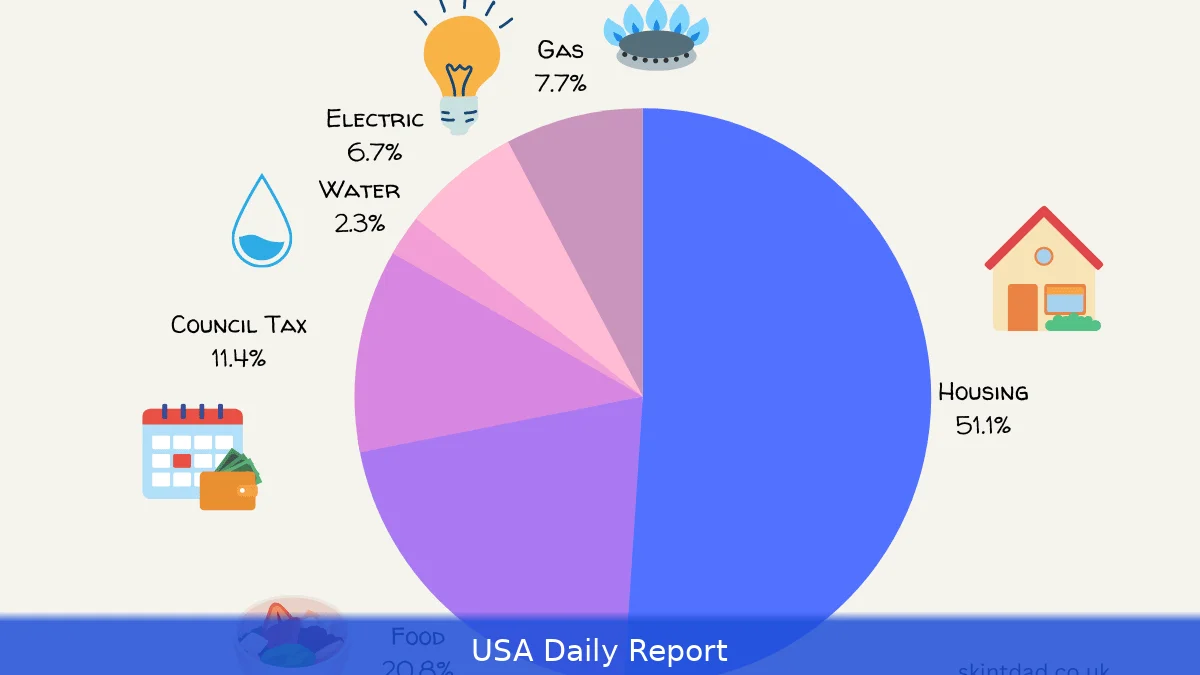
In 2026, many American households will feel the pinch as costs for energy, water, property tax, and broadband continue to rise. This guide breaks down what you can expect to pay, why these bills matter, and how to prepare for the changes ahead.
What Are Household Bills?
Household bills are the regular payments you make to keep your home running smoothly. They cover essential services like energy for heating and electricity, water supply, property taxes that fund local services, and broadband for internet access. Think of them as the costs to stay connected, comfortable, and compliant with local rules.
Each of these bills can vary depending on where you live, your usage, and the providers available in your area. For example, a family in a cold northern state might have higher energy bills because of winter heating needs, while someone in a warmer state may pay more for air conditioning in the summer. Similarly, property taxes depend heavily on local property values and municipal tax rates, which differ widely across the country.
Understanding these bills helps you plan your budget better and find ways to save. It also puts you in control when it comes to negotiating with providers or making changes to your household consumption patterns.
How Energy Bills Work and What to Expect in 2026
Energy bills pay for the gas and electricity that power your home. In 2026, the average annual energy bill in the U.S. Will probably hover around $1,641 for a typical household using both gas and electricity.
This figure reflects an estimated 7% decrease from the 2025 average of about $1,765, largely due to lower wholesale energy costs and energy market adjustments that have eased some pressure on consumers.
But don’t get too comfortable. Forecasts predict that energy prices could rise again mid-year due to global conflicts affecting oil and gas supply. For example, after July 2026, some households might see bills jump to nearly $1,929 annually — an 18% increase from the early 2026 average. This volatility is tied to geopolitical tensions in oil-producing regions, which impact natural gas prices and electricity generation costs.
Energy providers in the U.S. Often have price caps or maximum allowed charges regulated by state utility commissions, but these caps vary significantly from state to state.
It’s worth shopping around because sticking with the same supplier can cost you up to $917 extra per year compared to the lowest available tariffs. Many consumers don’t realize that switching providers or plans, especially to those offering fixed-rate contracts or renewable energy options, can lead to big savings and more predictable bills.
Another factor to watch in 2026 is energy efficiency. Homes that invest in better insulation, energy-efficient appliances, or solar panels may see their bills drop sharply. For example, households with solar panels can reduce their electricity bills by 30% to 50%, sometimes even earning credit for excess energy sent back to the grid.

Water Bills in 2026
Water bills cover the cost of clean water coming into your home and wastewater going out. In 2026, expect to pay around $32.40 more annually compared to previous years. This increase, about 3.5% over 2025, is largely due to infrastructure improvements and maintenance costs needed to update aging water systems across the country.
Water utilities have been investing heavily in replacing old pipes, upgrading treatment plants, and expanding systems to meet stricter environmental standards. These upgrades ensure safer drinking water but come with higher costs that get passed to consumers.
Water costs can fluctuate widely depending on your region and usage habits. For instance, households in drier states such as Arizona or California may pay more due to scarcity and the higher expense of treating and transporting water. In contrast, residents in states with abundant water resources like Michigan or Washington might see lower bills.
On average, U.S. Households spend about $480 to $600 annually on water, including sewage fees. Conservation efforts like fixing leaks, using water-efficient appliances, and reducing outdoor watering can help keep bills down despite rising rates.
Understanding Property Tax and Its Rise in 2026
Property taxes fund local services like schools, police, and road maintenance. In 2026, many U.S. Households will see property tax bills rise by about 4% compared to 2025. That's driven primarily by rising property values and local government budget needs.
Property tax rates vary widely by state, county, and city, ranging from less than 0.5% to over 2.5% of assessed property value annually. For example, New Jersey has some of the highest property tax rates, averaging around 2.4%, while states like Hawaii tend to be below 0.3%. The average U.S. Homeowner can expect to pay roughly $3,500 to $4,000 annually in property taxes by 2026.
The 4% increase in property taxes reflects a combination of factors. Many real estate markets continue to see home prices rise, which boosts the taxable value. Also, local governments face increased costs for public services and infrastructure, especially after the pandemic, prompting them to raise taxes to fill budget gaps.
Property owners should be aware of assessment dates and deadlines for appeals, which vary by locality but often fall in the spring or early summer. Filing a timely appeal can sometimes reduce your assessed value and lower your tax bill.
Broadband Bills and What to Expect in 2026
Broadband internet has become essential for work, school, and entertainment. In 2026, the average monthly broadband bill in the U.S. Will probably rise to about $72. This represents a 5% increase from 2025, reflecting ongoing network upgrades and higher demand for faster speeds.
Prices vary depending on the type of service (fiber, cable, DSL), speed tiers, and regional competition. Urban areas with multiple providers often have lower prices due to competition, while rural areas might pay more due to limited options and infrastructure costs.
Many providers offer bundled packages that include TV and phone service, which can sometimes lower the overall monthly cost if you use those services. But standalone internet plans are becoming more common, reflecting changing consumer preferences.
Federal programs like the Affordable Connectivity Program (ACP) continue to provide discounts on broadband for eligible low-income households, reducing bills by up to $30 a month. This can make a big difference for families struggling with rising costs.
In 2026, expect more households to demand gigabit speeds and fiber-optic connections, which offer the fastest and most reliable internet but often come with higher price tags. Planning your broadband budget means balancing speed needs with cost.
Household bills in 2026 will mostly rise, with energy and property taxes pushing budgets higher, though energy costs may dip early in the year before rising again. Water and broadband bills also climb steadily. Keeping an eye on usage, shopping around for better deals, and taking advantage of discounts or efficiency measures can help manage these costs and keep your household running smoothly.
This article was created with AI assistance.


