
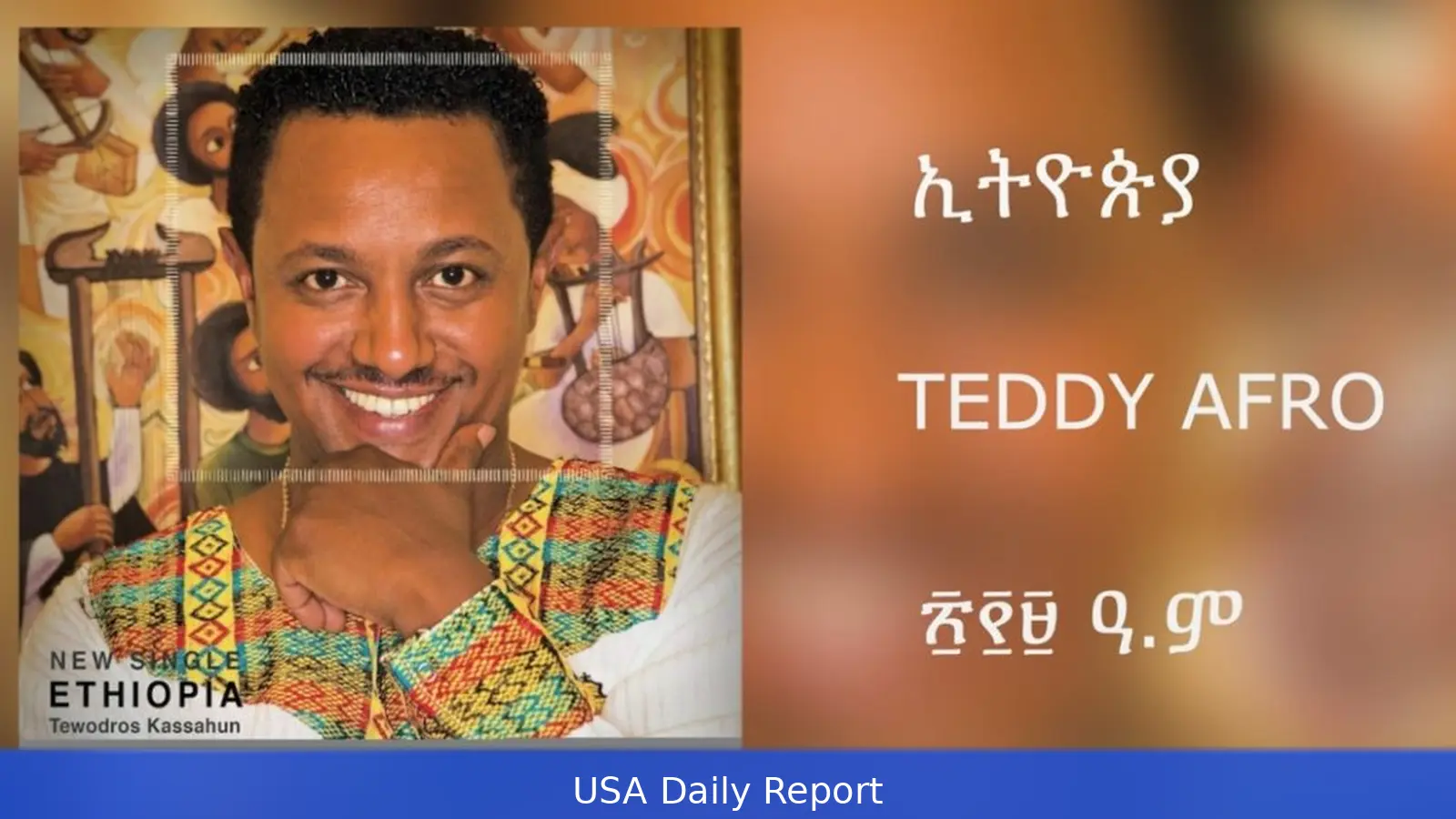
Teddy Afro’s new single has been streamed millions of times.
The release and immediate response
Teddy Afro, widely known in Ethiopia, put out a new song that some listeners say reads as a critique of the government. The song started circulating on social apps and streaming sites and, by accounts on social media, reached big play counts fast. Fans shared lines of the song widely; one passage asks where people can mourn and where they can cry in the place that raised them, and many users circulated it as a reflection of public grief.
Reaction came fast from listeners and commentators. Supporters took to social networks and diaspora forums to praise the song. A number of commentators described the track as an artistic rebuke to recent policies and the social strain they’ve caused. The pace of listening underlined the singer’s continued reach: when a track from a single artist draws millions of plays, it becomes part of public conversation beyond music charts.
Teddy Afro is the figure everyone keeps returning to in this conversation. The singer, known by that stage name, has used music that touches on social themes before. His standing in Ethiopia means his work often draws political attention whether or not he intends it to. In this release, listeners seized on the emotional lines that speak to loss and alienation.
Political backdrop
Ethiopia has seen a period of intense political change and tension over the past several years. Internal disputes, clashes in regional areas, and a national debate over reforms have all contributed to a charged public atmosphere.
Against that background, cultural works that appear to critique power have a larger role than pure entertainment; they can shape how people interpret political events and help create shared narratives.
Musicians in Ethiopia often weave national identity and public issues into their songs. When a widely followed musician releases a piece that listeners read as critical of the government, it can sharpen debates about freedom of expression, civic space, and the role of cultural figures in political life. The new track arrived at a moment when citizens are sensitive to how leaders address grievances and when many Ethiopians are coping with displacement and loss.
Authorities have previously taken a keen interest in high-profile cultural figures whose work intersects with politics. That attention can influence how songs are promoted, how concerts are organized, and how the public perceives official tolerance for dissent. High play counts, where reported, show listeners are paying attention; music still channels public commentary in Ethiopia.
Domestic consequences
The song’s rapid spread has several likely effects inside Ethiopia. First, it amplifies whatever sentiments already exist among listeners who feel alienated or unheard. Songs can package complex feelings into simple lines that travel easily through social networks. Second, the track increases pressure on political leaders to respond — either through public statements or through actions that address the grievances listeners perceive.

Third, the popularity of the song could affect local debates about censorship, media access, and artistic freedom. Public officials face a choice: engage with the messages raised by high-profile artists, or risk appearing dismissive of widely shared concerns. In either case, the presence of a mass audience makes cultural production part of the political ecosystem.
For the music industry in Ethiopia, the moment highlights the power of streaming and digital platforms. Artists who once relied on radio or live shows now reach global audiences immediately. That shift changes incentives for musicians and managers. A single release can provoke national and international reactions almost overnight.
International and U.S. Implications
The United States watches developments in Ethiopia for several reasons: regional stability in the Horn of Africa, humanitarian access, and the status of democratic institutions. Cultural flashes — like a song that millions hear and that listeners treat as a critique of government — are often taken as signals about domestic sentiment. They can inform how diplomats assess the mood on the ground.
Public grievances — cultural or political — sometimes push diaspora organizing, shape aid debates, and influence how foreign governments discuss rights. When million‑play tracks highlight social pain, they can become part of the evidence diplomats and policymakers use to understand what people are feeling. That in turn can shape U.S. Engagement on humanitarian funding, diplomatic outreach, and regional cooperation.
One practical effect is reputational. U.S. Officials who weigh how to allocate resources or how to phrase public statements take note when a large segment of the population focuses on a single critique. That matters in Washington because policy often responds to what officials see as credible indicators of popular opinion. Cultural products aren't policy papers, but they do move public sentiment.
Another mechanism is the Ethiopian diaspora in the United States. American cities host sizable Ethiopian communities that share music, reports, and analysis back home. A song that resonates strongly can mobilize diaspora organizations, prompt public rallies, or influence the tone of community discussions in the U.S. Those activities sometimes feed into U.S. Congressional interest and into advocacy directed at the State Department and other agencies.
What artists and officials face now
Teddy Afro now faces the practical problem of handling sudden attention. Artists with massive followings can be pulled into political contests even when they aim to stay above the fray. That can affect tour plans, partnerships with cultural institutions, and the safety of performances.
For officials, the new song is a test of how to respond to large-scale cultural dissent. A heavy-handed reaction risks inflaming opinion. A complete silence risks the impression that authorities are indifferent to public pain. The balance is delicate. The way Ethiopian leaders handle this moment will be watched not only at home but abroad.
Observers will also be watching how platforms react. Streaming services and social networks are the primary distribution channels. Platform content policies, advertising decisions, and algorithms can all influence how far a song spreads. That technical layer now plays a political role in ways that would have been less visible a decade ago.
Broader context and next steps
Music has a long history of helping societies process hard moments. In Ethiopia, where cultural forms intersect with politics, a popular song can crystallize feelings that otherwise scatter across conversations. What happens next depends on whether the moment leads to constructive public debate or escalates tensions.
Policy responses — whether from Ethiopian officials or from foreign governments that have relationships with Addis Ababa — will reflect a mix of strategic interests and public sentiment. The United States may watch how the government reacts, and it may recalibrate diplomatic language and programmatic choices in response to what it reads from Ethiopian public life.
For now, the most immediate evidence is the listening numbers and the lines that listeners keep sharing. Those together tell a story about popular engagement. They also underline the way culture can become a barometer of political health.
Related Articles
- Justin Fairfax Kills Wife, Then Himself
- Ceasefire in Lebanon as Important, Ghalibaf Says
- DR Congo Accepts First Deportees from US
"Now I understand the sorrow and pain. Where can someone go to mourn, where do you cry?" — lyrics from the song by Teddy Afro
This article was created with AI assistance.


