
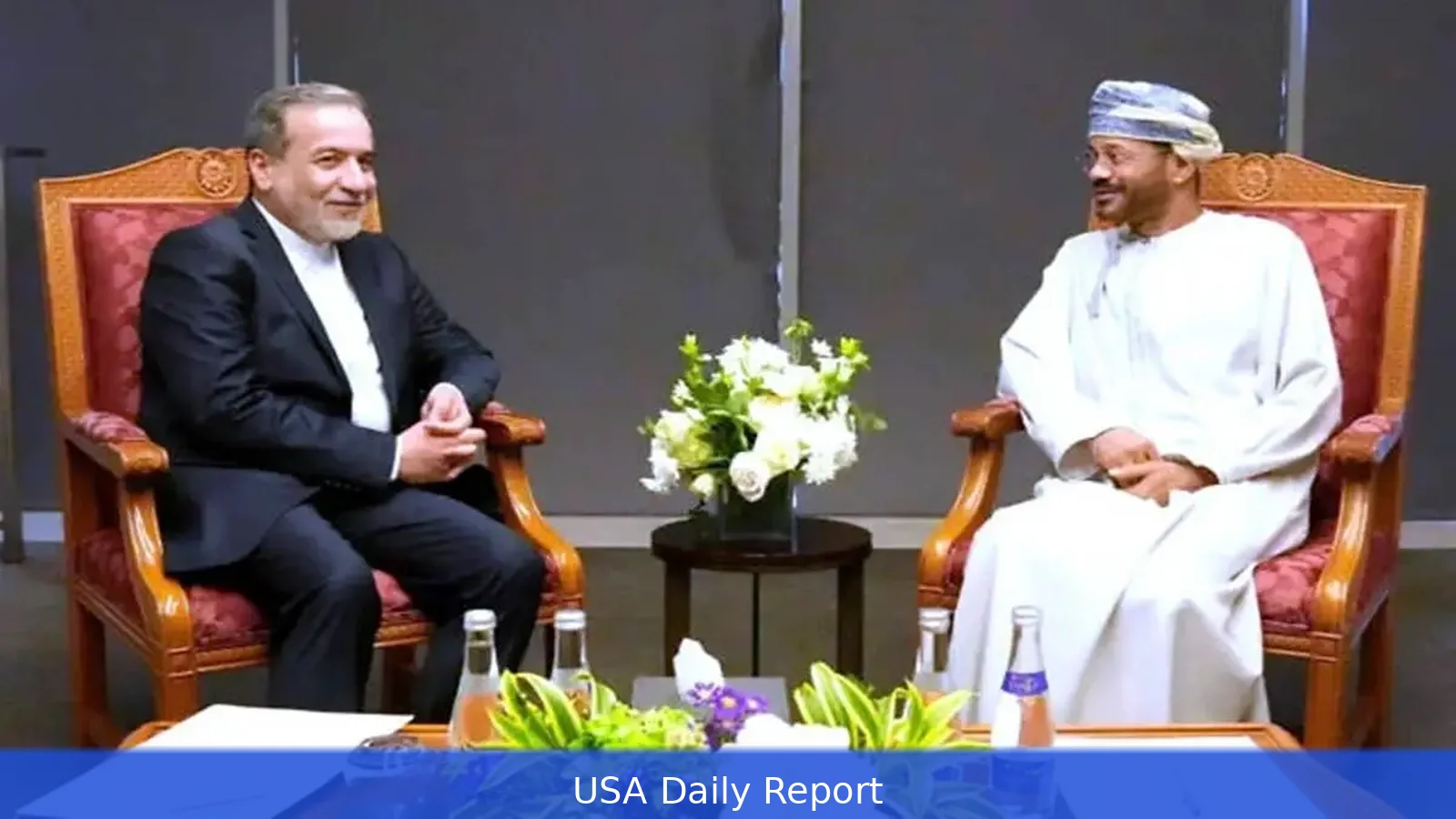
Tehran demanded pledges before talks could begin. The demand cast doubt over high-level U.S.–Iran meetings in Islamabad this weekend, where Vice President JD Vance led the U.S. delegation.
High-level delegations meet amid uncertainty
Senior U.S. and Iranian delegations converged in Islamabad this weekend for what were billed as high-level face-to-face talks, but Tehran’s insistence on preconditions threw the opening into doubt.
The U.S. delegation, led by Vice President JD Vance and including President Donald Trump's special envoy Steve Witkoff and Jared Kushner, landed in Islamabad, Pakistani officials said. Iran’s delegation arrived a day earlier, led by parliamentary Speaker Mohammad Baqer Qalibaf and Foreign Minister Abbas Araqchi.
Pakistan mounted heavy security and logistical support for the meeting. Prime Minister Shehbaz Sharif described the sessions as “make-or-break,” and the capital was placed under a rare lockdown with heightened security.
Tehran sets conditions — and stalls the start
Iran said talks could not begin until Washington made commitments to unblock Iranian assets and agreed to steps on Lebanon, issues Tehran said must be addressed up front.

Those demands put the two sides at odds over what the agenda should include. Iran treats the Lebanon campaign as linked to any broader ceasefire; the U.S. and Israel have said the Lebanon fighting is not part of the Iran–U.S. ceasefire framework.
U.S. officials expressed cautious optimism while warning negotiators to be wary of tactics aimed at delaying or distracting the process.
Energy choke points and market worries
The talks came amid disruptions to shipping and crude flows through the Strait of Hormuz, which have raised concerns for energy markets and for countries that rely on Gulf oil. Disrupted shipments can tighten global supplies, lift oil prices and complicate trade balances for import-dependent nations; those effects often feed through to currency markets in emerging economies.
Traders and policy makers were watching diplomatic outcomes closely for clues on whether chokepoints would reopen and whether sanctions and asset unfreezing would ease liquidity strains. In Islamabad, officials from both sides conducted preliminary discussions through advance teams; Pakistani sources said dozens of advance staff from both sides were present to lay groundwork.
Political stakes and regional dynamics
For Washington, the talks represent an unusually public and direct attempt to negotiate with Tehran at senior levels. For Tehran, the discussions are a chance to press demands on sanctions relief and regional ceasefire arrangements.
Disruptions through the Strait of Hormuz can tighten global oil supplies and lift prices, which often feeds through to currency strains in emerging-market economies that import fuel. Traders and policy makers say diplomatic breakthroughs — or continued stalemate — could have immediate market consequences.
Related Articles
- U.S.-Iran standoff: 3 scenarios as ceasefire expires
- Iran layoffs climb as conflict with US, Israel hits economy
- 2026 Iran nuclear deal explained
With preconditions unresolved, negotiators left Islamabad facing a central question: will Washington agree to unblock Iranian assets and take up Lebanon as Tehran demands?
This article was created with AI assistance.


