
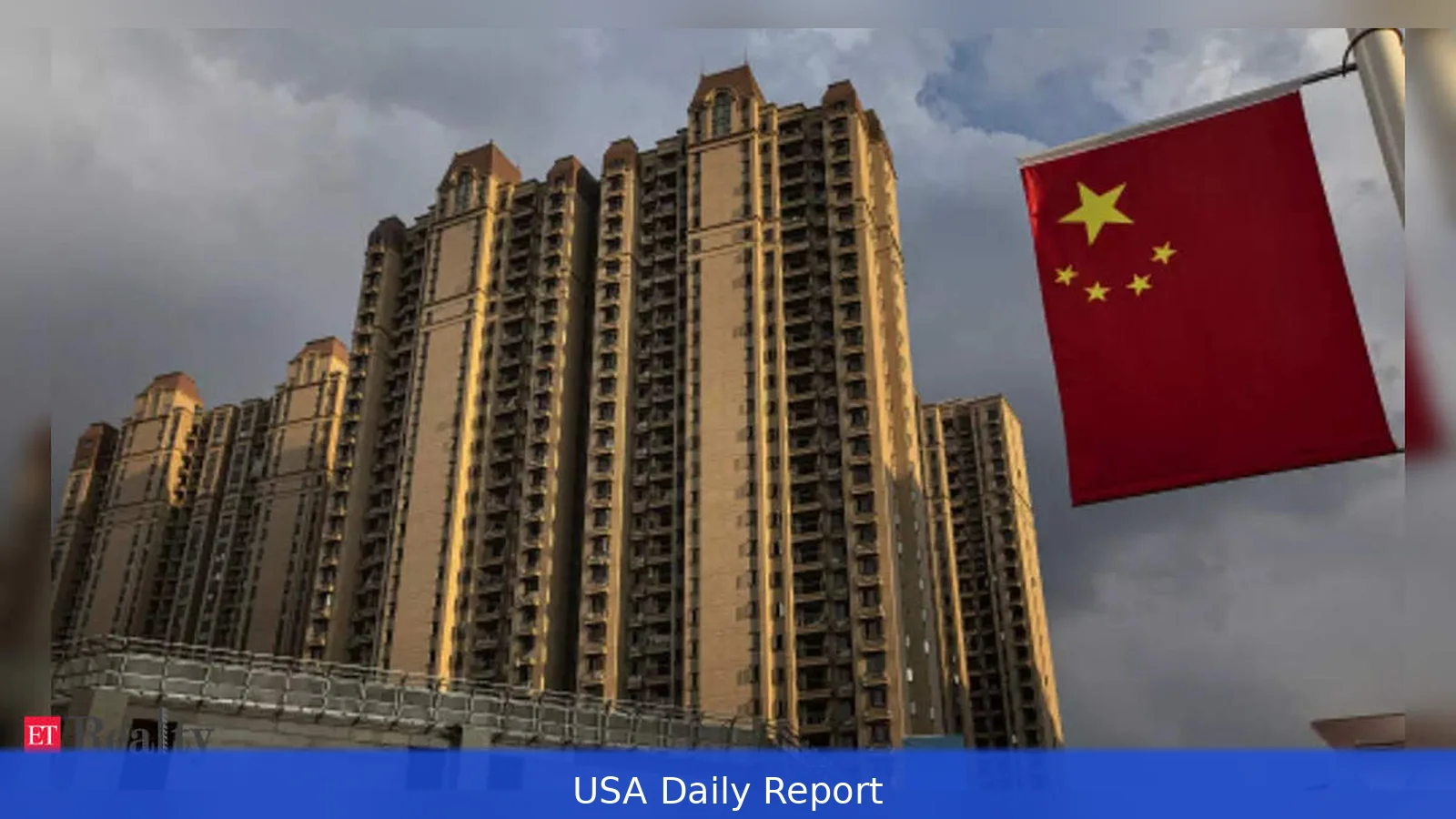
China posted a surprising 5% GDP gain in the first quarter. But that headline hides weak household spending, a still-struggling property sector and demographic drags that could limit longer-term momentum.
Growth on paper, weakness underneath
China's early-2026 rebound registered as a 5% expansion in gross domestic product for the first quarter, a result that outpaced analysts' expectations. On the surface, factories are running, exports are moving and headline growth looks sturdy. But domestic demand remains soft: household spending hasn't recovered to the level policymakers hoped for, and consumers are cautious about big purchases.
At the same time, the property sector is still struggling. Developers are selling fewer homes and investment in real estate hasn't returned to its previous momentum. A shrinking population adds another drag — fewer people of working age means less labor supply and weaker long-term consumer growth.
Where Beijing is placing its bets
The state is channeling funding and policy support into technology and clean energy to reduce reliance on foreign suppliers and create new export niches. Key areas include:

- Semiconductor production
- Electric vehicles and battery manufacturing
- Renewable power infrastructure
That industrial upgrading is intended to provide growth engines beyond property-led cycles and debt-fueled stimulus.
Energy disruption and the Iran war
The conflict involving Iran, the United States and Israel has disturbed global energy flows — affecting oil and gas routes, shipping insurance costs and market risk premia. For many importing nations, the result is higher short-term costs and a need to secure alternative supplies.
China appears less exposed than some big consumers: a diversified mix of supply sources, strategic stockpiles and large state-controlled trading houses help Beijing reroute purchases or adjust contract terms when needed.
Why insulation matters
A degree of insulation from energy shocks buys China time. If energy prices spike elsewhere, Beijing can protect industrial output and keep factories operating while competitors face higher input costs, which can help Chinese exporters in price-sensitive markets. But insulation isn't immunity: higher global energy bills still weigh on input costs for energy-intensive industries, and wider conflict or rising shipping risks could hit trade volumes through costlier insurance and logistical hurdles.
Implications for the United States
China's mixed picture affects the U.S. in several ways:
- Global commodity prices — disruption tied to the Iran war has pushed up energy risk premia, feeding into global inflationary pressure and complicating monetary policy decisions.
- Strategic competition — China's push into high-tech and green sectors intensifies competition in semiconductors, batteries and electric vehicles, shaping trade policy, export controls and alliance-building around supply chains.
- Demand for U.S. exports — the outlook for global demand, including from China, matters for American exporters.
Related Articles
- Engie CEO Warns Le Pen Energy Plan Would Harm France's Energy Security
- Insider Bets Surfaced Before Trump's Iran Remarks
- Israel-Lebanon war upended life in Beirut
China logged 5% GDP growth in Q1 and is funneling state resources into semiconductors, electric vehicles and renewable power to try to sustain momentum despite those domestic headwinds.
This article was created with AI assistance.


