
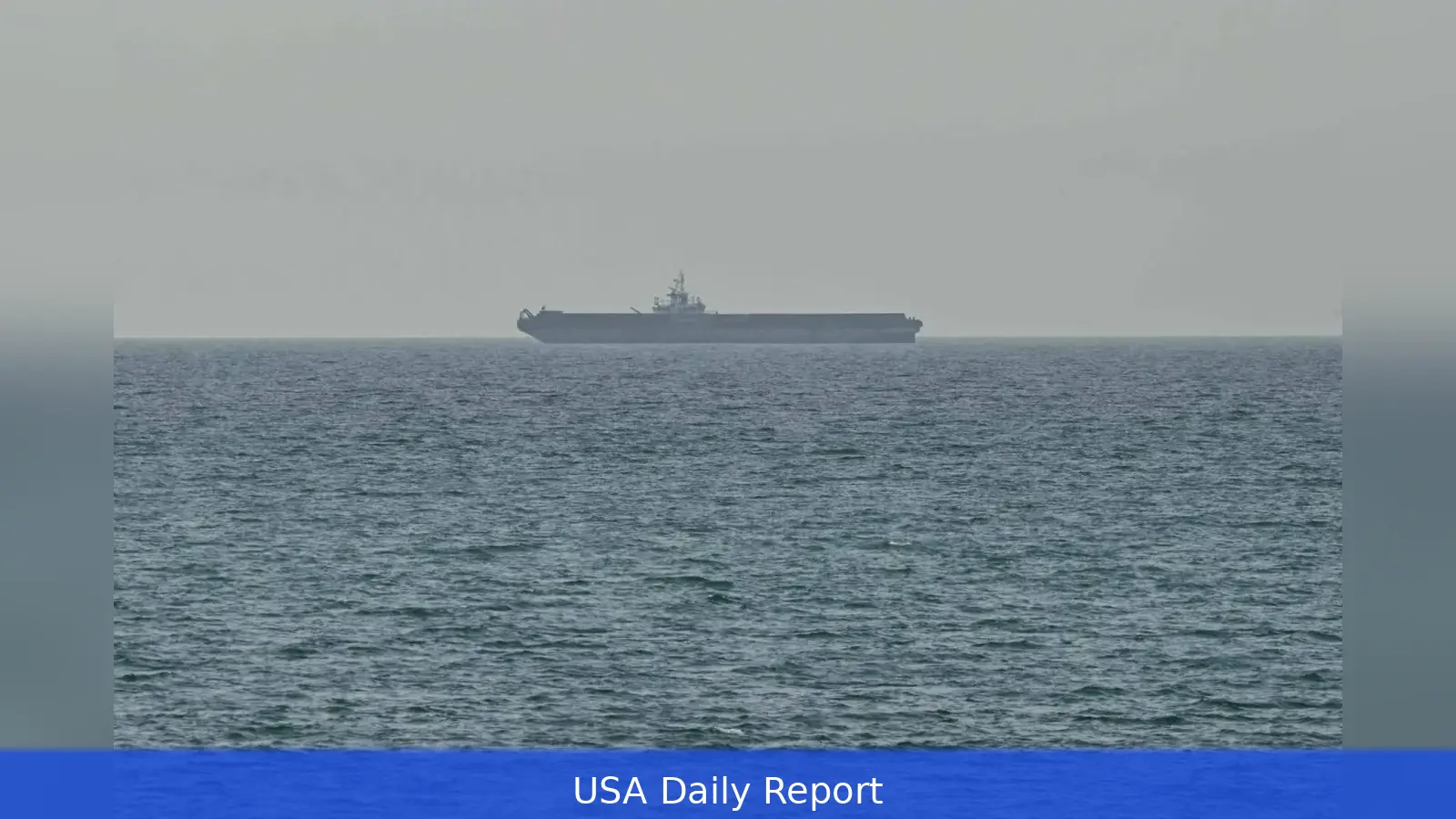
Six vessels reversed course after U.S. Forces warned them.
Immediate enforcement and what happened
Within the first 24 hours after the United States declared a naval blockade on Iranian ports, American forces warned six ships and caused them to turn back, U.S. Officials said. Two of those oil-carrying vessels changed direction in the first two hours after the blockade took effect Monday morning. No shots were fired and U.S. Personnel didn't board any of the vessels during those encounters.
The U.S. responded quickly. Patrols and surveillance made contact, issued warnings and the ships complied.
The U.S. Military is using a mix of air and sea assets to enforce the restrictions. More than 100 fighter and surveillance aircraft and over a dozen ships were deployed to the area, officials said. Rather than intercepting ships inside the Persian Gulf where U.S. Forces judge the risk to be higher, U.S. Commanders are stopping vessels as they move into the Gulf of Oman after transiting the Strait of Hormuz.
How the blockade is being enforced
The military is relying heavily on reconnaissance and remote monitoring. Crewed aircraft, surveillance planes, radars and other sea-based systems are being used to identify vessels leaving Iranian ports or coastal areas.
Once identified, crews use radio communications to tell ships they're violating the blockade and must reverse course back to ports in the Gulf of Oman.
This approach makes sense. The U.S. Has more options and assets in the Gulf of Oman, officials said, and sending more ships into the Persian Gulf would expose them to greater danger.
So far, none of the ships ignored the warnings. But U.S. Commanders have told crews they have the authority to use force if a ship disregards orders. That could include fighter aircraft or naval gunfire.
Which ships were affected and exceptions
Officials described five of the six vessels as carrying oil. The nature of the sixth ship’s cargo was not immediately reported. Not every tanker near Iranian waters was stopped. U.S. Forces allowed some ships to continue after review, including a Chinese tanker named Rich Starry, which was not ordered to reverse course because it began its voyage in the United Arab Emirates and therefore was judged not to be violating the blockade under the U.S. Conditions.

No American crews boarded any of the vessels that reversed course, and no combat occurred in those first-day encounters.
Why the blockade was ordered
President Donald Trump announced the blockade Sunday after negotiations with Iran failed to produce an agreement to end the war, officials said. The move followed a series of strikes earlier in the year; since U.S. And Israeli forces carried out attacks on Iran in late February, shipping through the Strait of Hormuz had already been at a near-standstill.
The interruption of traffic through that narrow chokepoint has pushed up the price of oil and other commodities. Global markets reacted as shipping lanes narrowed and carriers delayed or rerouted cargos. Analysts and traders began pricing in higher freight costs, longer transit times and greater insurance premiums for voyages in the region.
Economic and political fallout for the United States
Higher oil prices are one obvious economic effect. When tankers slow, reroute or sit idle, supply tightens. That puts upward pressure on energy prices worldwide — and that pressure reaches U.S. Consumers at the pump and in household budgets. The U.S. Economy was already facing a mix of inflationary pressures; the blockade adds an extra shock to global energy markets.
The impact goes beyond just money. Trade flows have been disrupted. Companies that rely on timely deliveries for components or raw materials may face delays that ripple through supply chains. Shipping companies face tougher decisions about whether to risk passage through the region or pay for lengthy detours around Africa. Freight rates and insurance costs are likely to climb as carriers price in geopolitical risk.
Politically, the blockade escalates U.S. Involvement in the conflict. It puts American forces in direct operational contact with commercial shipping bound for or leaving Iran. That raises the chances of incidents with non-Iranian vessels, whether through miscommunication, navigation errors or deliberate defiance. Those kinds of clashes could draw other governments into diplomatic or military disputes with Washington.
Regional security and the Strait of Hormuz
The Strait of Hormuz is one of the world's most important maritime chokepoints. A large share of the globe’s seaborne oil passes through it. When traffic through the strait slows, the shock is immediate. Shippers and energy traders watch movements closely. Naval patrols, aerial surveillance and radio warnings are being used to exert control without firing a shot. At least for the opening day, that approach avoided kinetic confrontation.
The situation is still tense. The U.S. Has more than a dozen ships operating in the Gulf of Oman to back up surveillance aircraft and remote systems. Officials explained that concentrating assets where they can act with more protection reduces risk to personnel and platforms — but it doesn't eliminate the chance of missteps or escalation.
What comes next
The U.S. Posture makes clear it intends to prevent Iranian oil from leaving certain ports while leaving open the possibility of stopping other vessels if they cross the line. So far, shipmasters have complied with warnings. This helped avoid violence during the first day.
But the rules of enforcement are also blunt: if a vessel refuses an order to reverse course, U.S. Commanders said they have the authority to use force to stop it. That's a threshold that could lead to direct clashes at sea if a ship or its backers choose to defy the blockade. The operational plan relies on remote identification, radio contact and pushing ships back into Iranian ports in the Gulf of Oman rather than forcing them back through the Strait of Hormuz.
Those choices shape both the immediate security picture and the political fallout. They limit American exposure in the narrow Persian Gulf but keep pressure on Iran and the vessels that transport its commodities.
Point is, enforcement so far has been firm but measured. The first-day encounters were resolved through warnings and compliance, not combat.
Related Articles
Two of the oil-carrying ships turned back within the first two hours after the blockade went into effect.
This article was created with AI assistance.


