
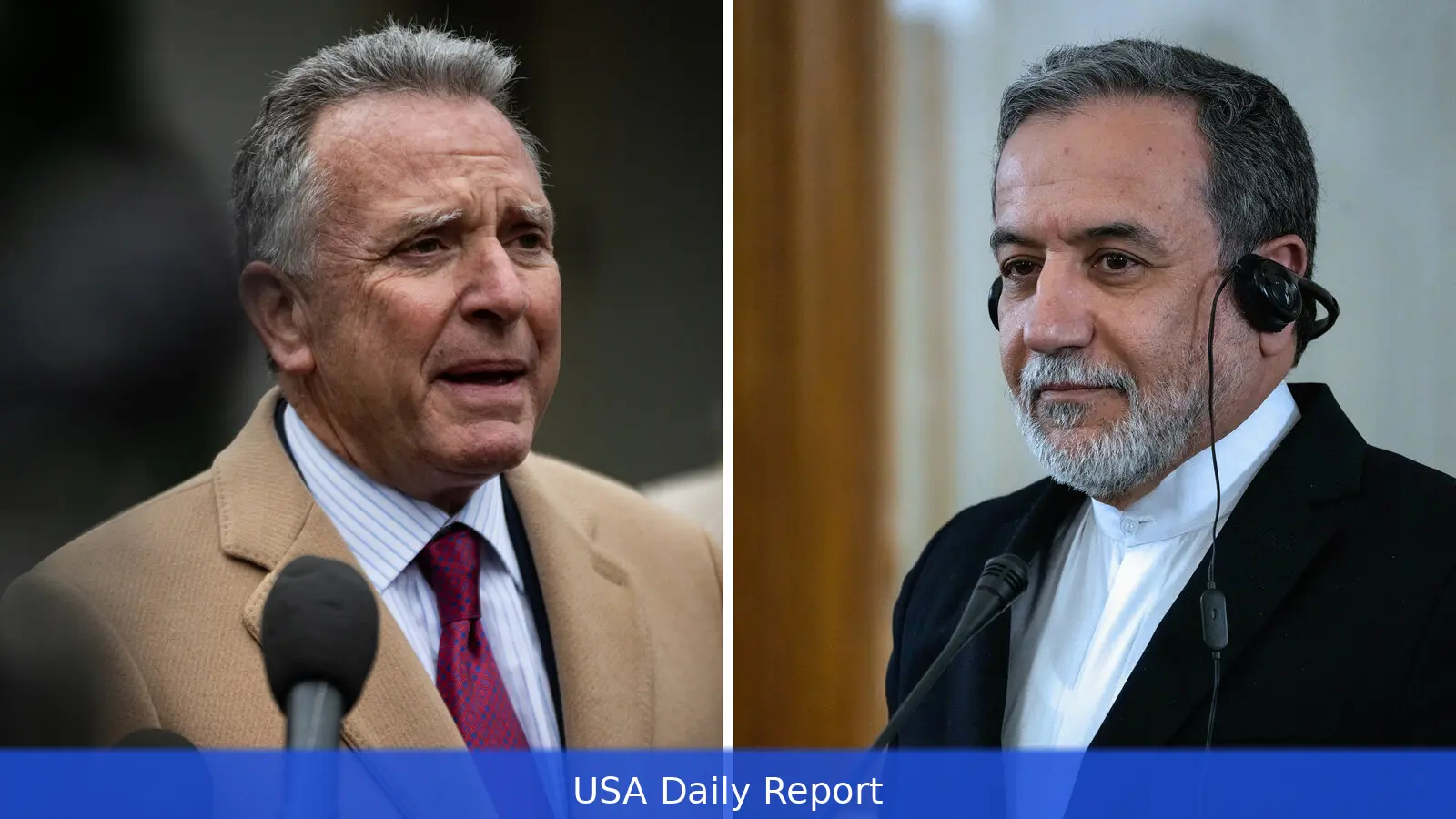
A two-week U.S.-Iran ceasefire is set to expire at 8 p.m. Washington time Tuesday. Vice President JD Vance will lead a U.S. delegation to Islamabad as talks have so far produced no breakthrough and tensions rise at the Strait of Hormuz.
Ceasefire clock ticks down
The two-week truce announced by President Donald Trump on April 7 is due to end at 8 p.m. Washington time on Tuesday. That converts to midnight GMT, 3:30 a.m. in Tehran and 5 a.m. in Islamabad on Wednesday. Trump has since signaled he may have shifted the deadline by a day.
The first round of U.S.-Iran talks in Islamabad on April 11 produced no breakthrough. Despite preparations in Pakistan to host further discussions, Tehran had not confirmed it would attend the next session when the U.S. delegation planned to arrive.
Vice President JD Vance is scheduled to lead the American negotiating team to Islamabad on Tuesday. President Trump publicly confirmed the U.S. delegation’s travel plans in a post on his social platform, saying diplomats would try to secure a deal he described as "very fair and reasonable." The administration has framed talks as an opportunity to end the conflict, but officials have also continued to issue threats aimed at tipping bargaining leverage.
Fires at sea and a naval blockade
Hostilities at sea have hardened the standoff. The United States has imposed a naval blockade on vessels linked to Iran trying to transit the Strait of Hormuz. Iranian forces have fired on ships attempting to pass through that narrow, strategically vital shipping lane.
Forces shot at and then seized an Iranian vessel transiting the waterway. Iranian officials condemned the seizure and warned of retribution. Tehran has also said it won't negotiate while facing overt threats. Mohammad Reza Mohseni Sani, a member of the Iranian parliament’s National Security Commission, said "negotiations aren't acceptable" in "the current situation," and accused the United States of being overly demanding.
Maritime flashpoints have oversized implications because so much global trade, including energy shipments, moves through the Strait of Hormuz. Interruptions or the perception of heightened risk can push insurance costs higher, slow deliveries and raise prices at the pump—issues that have direct economic impact on U.S. consumers and businesses.
Three possible paths after the truce
Several broad outcomes are now plausible, following the recent pattern of stalled diplomacy, public threats and clashes at sea:
- Extended truce or tentative deal. Negotiators could secure an extension or convert the truce into a longer ceasefire and a tentative agreement. That would require Iran to accept talks despite its objections to what it calls coercive demands, and the United States to temper threats enough for Tehran to engage. A multiday session in Islamabad with Iranian participation would buy time and reduce pressure on commercial shipping lanes.
- Ceasefire lapses and sharper military flare-up. If the truce lapses without a deal, the U.S. blockade and Iran’s repeated firing at transit vessels mean a single misstep could widen confrontations. Seizure of ships or attacks on naval vessels could prompt U.S. military responses beyond seizures—escalatory moves that would raise the risk of more sustained combat operations.
- Prolonged maritime disruption without large-scale land operations. Confrontations at sea could instead produce enduring maritime disruption. Interdictions, inspections and intermittent strikes would make the Strait of Hormuz a riskier corridor for months, affecting trade and energy markets without necessarily triggering extensive land battles.
Related Articles
- Iran says World Cup entry hinges on player safety guarantees
- US seizes Iranian-linked vessel amid sanctions probe
- Viral video shows Israeli soldier vandalizing Jesus statue in Lebanon
The ceasefire is scheduled to expire at 8 p.m. Washington time Tuesday; Vance’s delegation is due in Islamabad the same day. Those talks — and whether Tehran participates — will determine if the truce is extended, maritime risks ease, or confrontations at sea broaden into wider military action.
This article was created with AI assistance.


