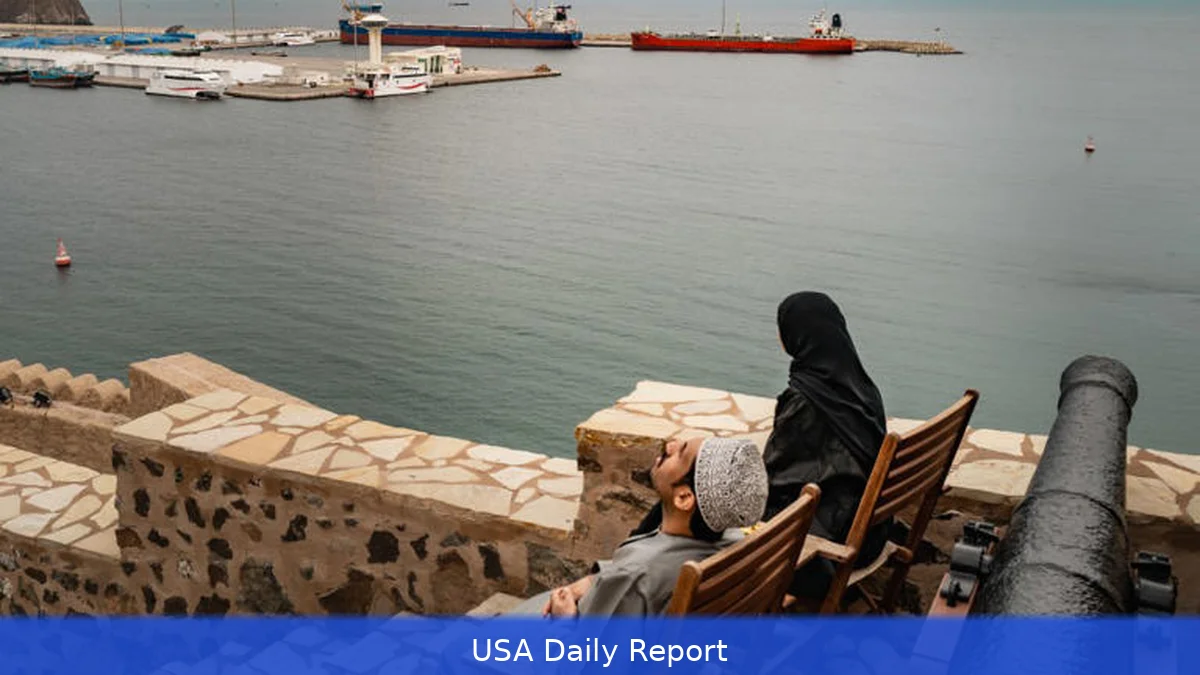
Ships passing through the Strait of Hormuz are now paying tolls in yuan and cryptocurrency, marking a major shift in how global shipping fees are settled. Iran’s new system is shaking up payments and boosting Chinese financial assets linked to the yuan.
Iran Turns Strait of Hormuz Into a Toll Road
Roughly 20% of the world's oil and liquefied natural gas flows through the Strait of Hormuz, one of the planet’s most vital energy chokepoints. Now, Iran has turned this narrow waterway into a toll zone controlled by the Islamic Revolutionary Guard Corps (IRGC).
Ships wanting safe passage must submit detailed information about their vessel, cargo, and journey. The IRGC then vets each request and grants clearance codes to approved vessels. But clearance doesn’t come cheap—payments, often denominated in Chinese yuan or stablecoins, have become mandatory.
Reports say Iran charges up to $2 million for some shipments, with a base rate starting near $1 per barrel of oil on tankers. Payments via yuan or crypto tokens are seen as an alternative to traditional U.S.
Dollar-based transactions, helping Iran sidestep sanctions and reduce dependence on the dollar.
Ripple Effects on Shipping and Finance
Shipping through the strait has dropped sharply since the toll system started, with some estimates showing a 95% decline. Many vessel operators are reconsidering the risks and costs, with some rerouting to avoid the waterway altogether.
This disruption pressures global oil markets and supply chains, pushing freight rates higher and causing congestion at ports, especially in South and Southeast Asia.
At the same time, the yuan’s use in toll payments is drawing notice. China’s currency is gaining ground as a settlement medium in a strategically important region. At least two ships have completed yuan-denominated payments, one coordinated through a Chinese maritime services firm. This shift could help boost Chinese payment and financial stocks tied to yuan transactions.
Iran’s Strategic and Economic Calculations
Iran’s toll charges show its attempt to tighten control over the strait during regional conflicts. Officials say the tolls are a way to cover the costs of war and security. A member of Iran’s parliamentary national security commission described the fees as a new “sovereign regime” over the waterway.
Official Iranian statements have been mixed. While some parliament members publicly support the tolls, the Iranian Embassy in India called initial claims “unfounded.” Still, other lawmakers back the goal of legally enforcing maritime toll collection, signaling a push toward formalizing the system.
The toll plan is not just a spontaneous move. Iran’s National Security and Foreign Policy Committee approved a broader management plan for the strait, aiming to combine security measures with environmental rules and coordination with neighboring countries. But the IRGC’s hands-on approach to vetting vessels and collecting payments is a clear assertion of control.
Global Trade Faces New Challenges
This toll system makes shipping through one of the busiest sea routes more expensive. With Iran’s recent drone and missile attacks on vessels across the Persian Gulf, safety concerns have already pushed many commercial shippers to avoid the area.
Fewer vessels are transiting the strait, and those that do pay heavy fees in yuan or crypto. The new payment methods could signal a broader shift away from dollar dominance in global trade, especially in conflict-affected regions.
Shipping intelligence platforms report only a handful of vessels crossing the strait daily, far below normal volumes. Analysts say there’s no sign of a steady recovery yet, leaving global energy and shipping markets unsettled.
Iran’s toll system has turned this vital energy route into a major financial and geopolitical hotspot. The yuan’s growing role in these payments gives Chinese financial markets a fresh boost amid shifting global power dynamics.


