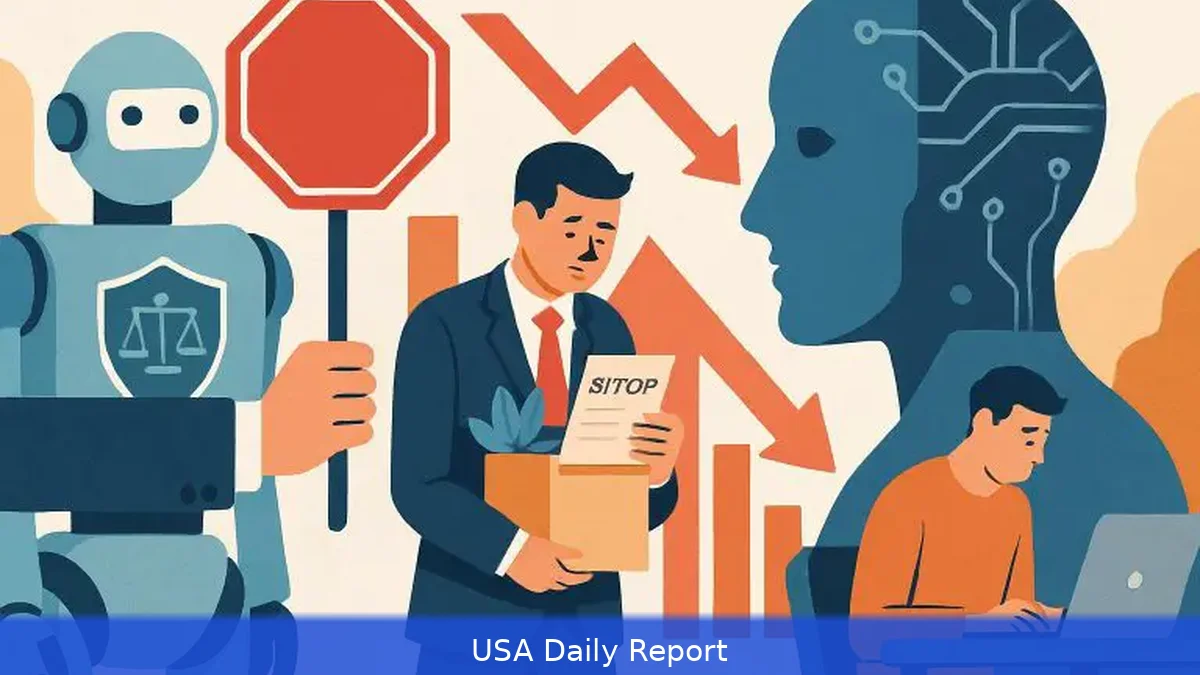
Electricians earning more than $1,300 a week. AI poised to replace white-collar jobs within 18 months. The job market is shifting fast, and career paths are being redrawn.
Skilled Trades: The Unexpected Refuge
James Vandall didn’t start out aiming for a career in the skilled trades. After bouncing from job to job and leaving college, his curiosity piqued watching electricians rewire his home. Now enrolled in a 16-month technical program in Pittsburgh, Vandall is on track to join a field that’s growing fast and paying well — a rare combo in today’s job market.
Across the U.S., electricians are among the highest-paid tradespeople, with median weekly earnings hitting $1,376 in 2025, about 14% higher than the national median. Employment growth is projected at 9% over a decade, much faster than average. Demand isn’t just steady; it’s soaring because the industry is losing more workers to retirement than it gains. The National Electrical Contractors Association estimates 20,000 electricians retire yearly while 80,000 positions remain open.
Trades like electrical work are tough for AI to replace because they require hands-on skills. Unlike many desk jobs that AI can automate, skilled trades require physical presence, dexterity, and on-the-spot problem-solving.
They also often offer union protections, boosting job security amid turbulent times.
The AI Threat to White-Collar Jobs
The flip side: white-collar roles face an rare challenge. Mustafa Suleyman, CEO of Microsoft AI, warned that within a year or so, AI could perform most tasks done by professionals such as lawyers, accountants, and marketers.
Already, software engineers are shifting from writing code to debugging and adjusting AI-generated code.
Since AI tools are improving fast, having advanced degrees like MBAs or law degrees might not ensure job security or good pay anymore. Experts say the promise of higher education as a ticket to economic mobility is fraying. The pace of change is so fast that many workers risk being outpaced if they don’t adapt early.
Matt Shumer, CEO of OthersideAI, compared the current AI moment to the early days of the COVID-19 pandemic — something massive is underway but not everyone realizes just how big. He urges workers to embrace AI seriously, shed ego about using it, and prepare financially in case disruptions impact livelihoods.
New Roles: The Rise of the AI Generalist
Businesses aren’t just facing job cuts; they’re redefining roles. The “AI generalist” is emerging as a key player — someone who combines technical AI know-how with human skills like communication, adaptability, and strategic thinking.
Unlike specialists who focus narrowly, AI generalists manage a mix of responsibilities and know when to let AI handle tasks versus when human judgment is needed. For example, a product manager might use AI to analyze customer feedback but rely on their own insight to shape product features. Or a marketer might have AI generate campaign ideas but apply emotional intelligence to connect with audiences.
Companies are moving beyond pilot programs to embed AI across departments. Workers who experiment with new AI tools without waiting for formal training and who translate these experiments into real business outcomes are becoming indispensable.
What This Means for Workers and the Economy
The labor market is at a crossroads. White-collar jobs face rapid automation, while skilled trades offer steady demand and better pay. Meanwhile, hybrid roles requiring a blend of AI savvy and human skills are gaining ground. People who learn AI tools fast and think critically could have an advantage in this changing job market.
At the same time, the shortage of skilled tradespeople is pressing. Industries can’t find enough workers to fill vacancies, putting upward pressure on wages and potentially slowing down projects critical to infrastructure and growth.
For many, the choice is clear: pivot toward skills that AI can’t replace easily or become proficient in using AI to augment work. Neither path is easy, but ignoring the shift means risking obsolescence.
As AI changes the way we work, workers and employers have some hard decisions to make. The skilled trades offer a solid refuge while AI generalists open new career possibilities. The key question: who will adapt fast enough to thrive?


