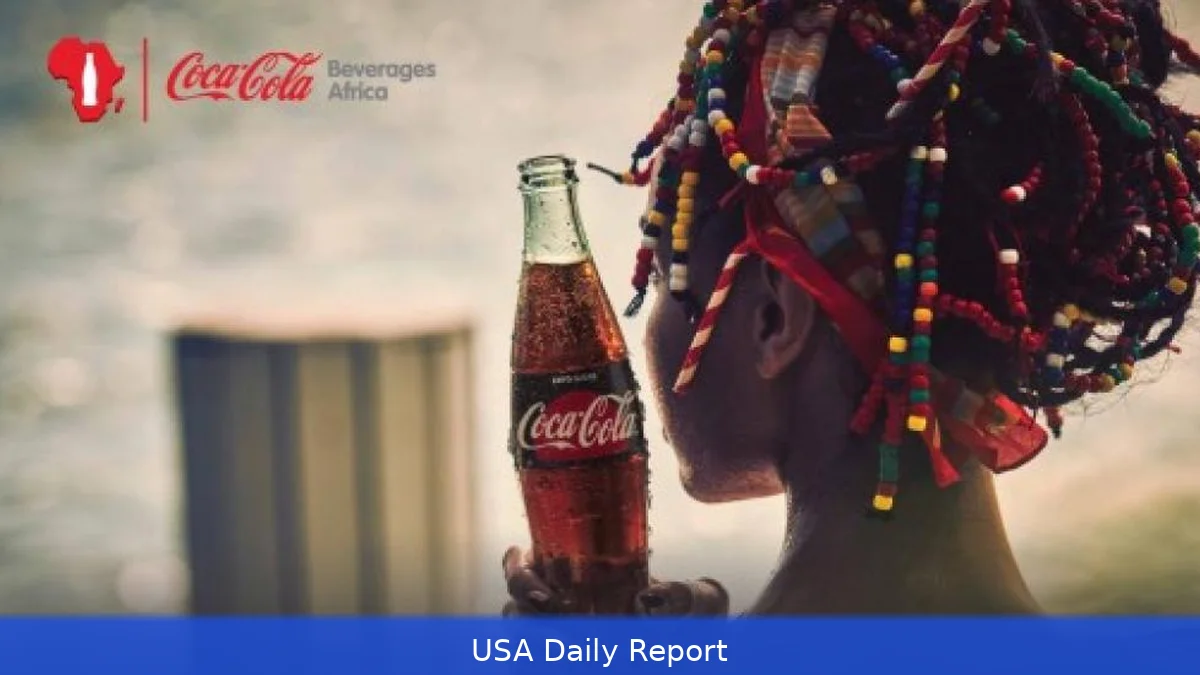
Coca-Cola is doubling down on South Africa with a planned $1 billion investment through 2030. The move comes as part of the company’s long-standing presence and growing economic footprint on the continent.
Deep Roots and Economic Muscle
The Coca-Cola system in South Africa generated a staggering R51.2 billion (about $2.8 billion) in value-added economic impact in 2024 alone. That number means Coca-Cola supports more than 87,000 jobs in sectors such as retail, agriculture, manufacturing, transport, and services. For every direct job Coca-Cola creates, ten more jobs get supported indirectly. Coca-Cola plays a significant role in the economy.
But it’s more than just numbers. Coca-Cola’s approach has always been local. The company hires locally, produces locally, and sources goods and services from South African suppliers. In 2024, it purchased R25.6 billion worth of goods and services from local suppliers. That’s helped strengthen industries such as sugar production, packaging, transportation, and marketing, weaving the company tightly into the fabric of South Africa’s economy.
Building on a Legacy
Coca-Cola’s history in South Africa dates back to 1928. Its journey has been complex — the company divested its local business interests in 1986 during apartheid but then re-entered the market in 1994 after Nelson Mandela’s release. That return was symbolic, signaling a commitment to the new South Africa’s growth and transformation.
Since then, Coca-Cola has worked closely with governments, civil society, and private players to tackle pressing social issues. It has invested in education, housing, business development, and initiatives empowering women and improving access to clean water and sanitation. These efforts align with the company’s long-term vision of sustainable growth rooted in community impact.
$1 Billion Investment and Future Plans
Coca-Cola announced a $1 billion investment through 2030 to grow its presence. The company plans to strengthen its local supply chains, create more jobs, and invest in sustainable development projects.
This includes water stewardship programs and health system support, which have been ongoing priorities.
“South Africa remains one of our most strategic markets in Africa,” said Luis Felipe Avellar, president of Coca-Cola’s Africa operating unit. “Our business is interconnected with local communities. We hire locally, produce locally, distribute locally, and source locally wherever possible. That’s how we build a stronger, more integrated economy.”
Charl Goncalves, Managing Director of Coca-Cola Peninsula Beverages, added, “We remain committed to creating opportunity for our people, our partners, and the communities we serve.”
Broader Economic Impact
Coca-Cola’s operations impact more than just its direct partners. The company’s system supports over one million jobs across Africa, including 36,800 direct jobs and nearly a million indirect jobs.
Across the continent, Coca-Cola’s local procurement totaled $4.3 billion in 2024, accounting for 83 percent of its total purchases in Africa. This shows the company’s commitment to building sustainable economic ecosystems.
In South Africa, the company’s investment and operations have helped boost industries vital to the broader economy. Sugar growers, packaging manufacturers, and transport companies all benefit from Coca-Cola’s extensive supply chain. The company’s local sourcing ensures that much of the economic value remains within communities, fueling growth and development.
Meanwhile, Coca-Cola is making progress on sustainability efforts. Through initiatives like the Africa Water Stewardship Initiative, the company and its bottling partners aim to conserve water, improve sanitation, and support health infrastructure. These projects help communities thrive while ensuring Coca-Cola’s operations remain environmentally responsible.
What This Means for South Africa
This $1 billion investment shows Coca-Cola’s confidence in South Africa’s market. It’s a vote of trust in the country’s ability to grow and integrate into global supply chains while addressing social challenges. The company’s continued focus on local hiring and procurement strengthens South Africa’s industries and creates a multiplier effect across the economy.
But challenges like unemployment and inequality still persist. South Africa wrestles with issues like unemployment, inequality, and infrastructure gaps. Coca-Cola’s investments won’t solve these overnight, but they provide a platform for sustainable economic participation and community development.
The company’s approach might inspire other multinationals. By embedding itself deeply in local economies and tackling social priorities, Coca-Cola shows how business and community development can go hand in hand.
With its century-long presence in Africa and renewed commitment to South Africa, Coca-Cola is betting big on a future where business success and community impact coexist. Only time will tell if this $1 billion investment sparks wider change.


