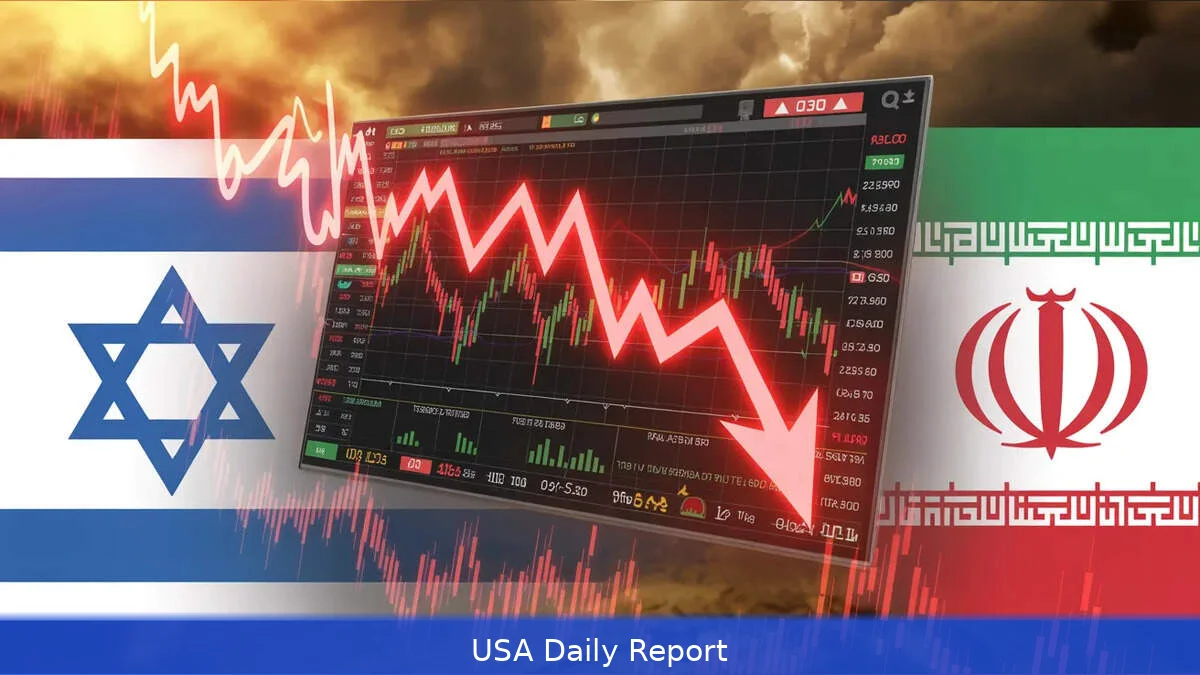
Oil prices surged past $120 a barrel amid the Iran war, rattling markets worldwide and exposing hidden vulnerabilities in the US economy. The already weak ‘no-hire’ labor market is feeling more strain because rising energy costs are shaking up supply chains worldwide.
Hidden Economic Links Amplify Market Turmoil
Investors have witnessed a sharp selloff across major asset classes as the Iran conflict escalated. But the fallout is anything but even. Research from MSCI reveals that emerging Asian markets—especially China, India, South Korea, and Taiwan—are bearing the brunt of oil supply disruptions through the Strait of Hormuz. These countries’ deep trade ties with Gulf Cooperation Council (GCC) economies mean their stock markets were the hardest hit among global indices.
MSCI’s analysis also uncovered that many companies listed outside the Middle East have significant operations or revenue exposure in GCC countries. Firms from the US, India, Japan, and Taiwan are among those with meaningful physical presence—over 2%—in the region. Those connections rarely show in standard geographic classifications, masking true risk levels for investors. So, the damage isn’t just about where companies are headquartered but where they earn money and run supply chains.
US Economy Shows Strains Amid Rising Energy Costs
Meanwhile, the US economy faces its own challenges. Despite a tight labor market, signs of a 'no-hire' economy have been growing. Employers are hesitant to add staff amid rising inflation and uncertainty. Higher energy prices from the Iran war add a fresh layer of stress.
Fuel costs spike transportation and manufacturing expenses, squeezing corporate margins. Consumers feel the pinch too, with rising gasoline prices cutting into disposable income.
This mix might slow down hiring even more or lead to layoffs in sectors that are already struggling.
At the same time, the US government’s expanding executive powers complicate economic policymaking. Recent moves to bypass Congress on budget and agency decisions raise questions about the balance of power and its impact on economic stability. The president’s use of executive orders to reshape federal institutions without legislative approval adds uncertainty for businesses and markets already on edge.
Global Ripple Effects Reach Africa’s Fragile Sahel Region
On the other side of the world, the Iran war is deepening troubles in Africa’s Sahel region. Countries like Mali, Burkina Faso, and Niger—already grappling with political instability and jihadist insurgencies—face rising energy prices that threaten to unravel fragile economies further. These landlocked, junta-led nations have distanced themselves from regional blocs and Western donors, leaving them isolated.
Fuel scarcity and rising costs have already crippled Mali, where insurgent attacks on fuel convoys disrupt supplies. Burkina Faso is caught in multiple conflict zones, worsening its security crisis. The Iran war’s impact on global oil markets sends shockwaves that could trigger a domino effect of economic and security deterioration across the region.
Geopolitics and Economics: A Complex Web
The economic impact of the Iran war shows how conflicts affect much more than just the fighting zones. Supply chains are vulnerable, investor portfolios carry hidden exposures, and fragile economies face oversized shocks. For the US, the timing couldn’t be worse. A ‘no-hire’ economy with stretched consumers and political uncertainty faces a volatile energy market that threatens to slow growth or trigger recession.
The risk isn’t going away anytime soon. As long as the conflict continues, oil prices will stay volatile, and markets will jitter. The question is whether policymakers can respond effectively amid a fractured political landscape. Rising costs and labor market pressures are putting a tough test on an economy that’s already showing signs of weakness.
The Iran war has exposed economic weaknesses, from hidden risks in companies to fragile regions in Africa and a shaky US labor market. How governments and markets adapt to these shocks will shape the global economic outlook in the months ahead.


