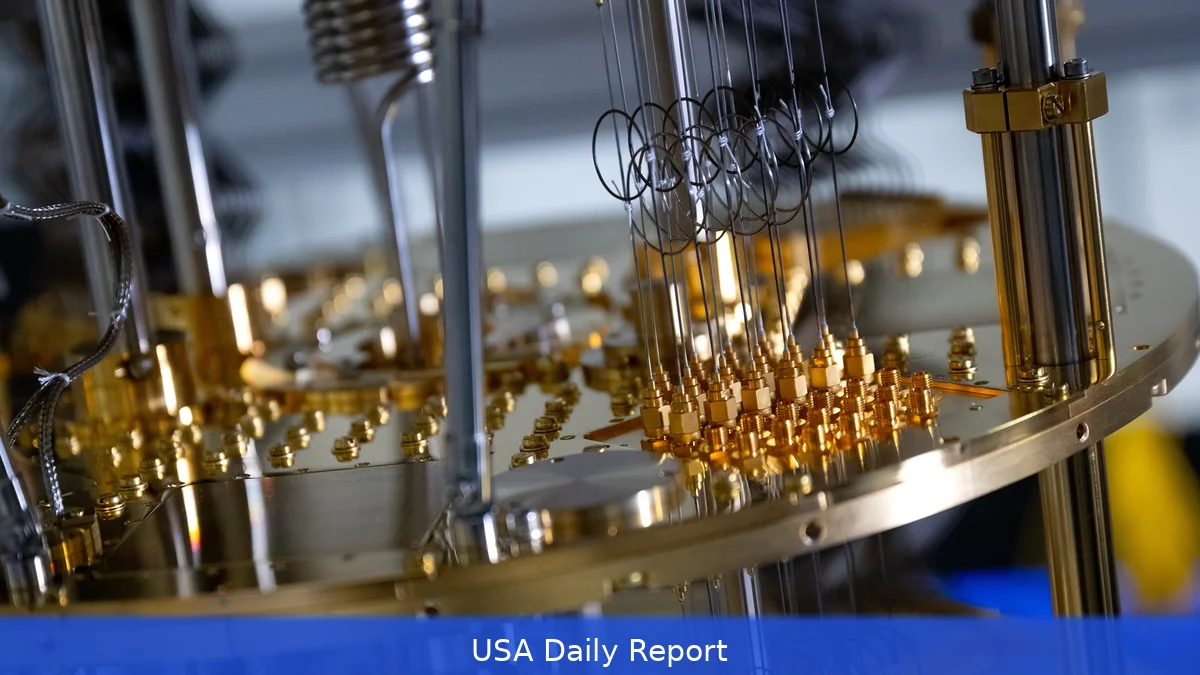
Quantum computing has moved significantly closer to posing a real threat to Bitcoin’s security. Google researchers showed that future quantum machines might break Bitcoin’s cryptography faster than previously thought, risking millions of coins, including those linked to Bitcoin’s creator.
Quantum Speed Changes the Game
Google’s team found that next-generation quantum computers need far fewer resources to crack the cryptographic keys that protect Bitcoin and other blockchains. Their advanced quantum architecture could unlock a private key in just nine minutes — faster than the ten-minute average it takes for a Bitcoin block to be confirmed. That means a quantum attacker could potentially exploit freshly confirmed transactions.
Alex Pruden, CEO of quantum research firm Project Eleven, warned that this speed difference "changes the threat model entirely." He told Sherwood News that "every bitcoin transaction is at risk" once these machines become operational. With this fast decryption, attackers might move coins without owners’ permission, which would threaten blockchain’s fundamental security.
Millions of Bitcoins on the Line
The research estimates that about 6.7 million bitcoins are vulnerable. That includes coins believed to belong to Bitcoin’s pseudonymous founder, Satoshi Nakamoto, whose holdings have never moved since the early days. If quantum computers reach the required power, these untouched caches could suddenly become easy targets.
However, the risk extends beyond Bitcoin. The same cryptographic vulnerabilities could impact the protocols behind tokenized real-world assets, a market expected to swell beyond $16 trillion by 2030.
That means quantum risks could affect much more than just cryptocurrencies, putting a wider range of digital finance in danger.
Urgency to Migrate to Post-Quantum Cryptography
Google’s researchers are urging the crypto industry to start shifting to quantum-resistant cryptography now. Their white paper calls the rise of cryptographically relevant quantum computers (CRQCs) a "serious threat" that demands immediate action.
Until now, the quantum and crypto fields worked separately, but this research calls for them to team up against the growing threat.
Google itself plans to move its infrastructure to post-quantum cryptography by 2029. That timeline hints at how quickly the tech giant expects quantum computers to become practical threats. So far, Bitcoin hasn’t laid out a complete plan to defend its network from quantum attacks. Pruden stressed that "closing this gap" is vital to securing Bitcoin’s future.
Looking Ahead: The Quantum Countdown
Google researcher Craig Gidney estimates there’s roughly a 10% chance that a quantum computer capable of breaking blockchain cryptography will exist by 2030. Alex Thorn of Galaxy Digital sees the odds as low for such an attack in the next five years but acknowledges Google’s findings as proof quantum advances are accelerating.
That acceleration means the crypto world can’t afford to wait. Quantum computers capable of undermining Bitcoin’s security would disrupt the entire ecosystem — from individual wallets to large-scale asset tokenization platforms. Time is running out.
Google’s research shows the quantum threat to Bitcoin and digital assets is no longer just a future concern. The push to create post-quantum defenses is underway, and the risks involved are huge.


