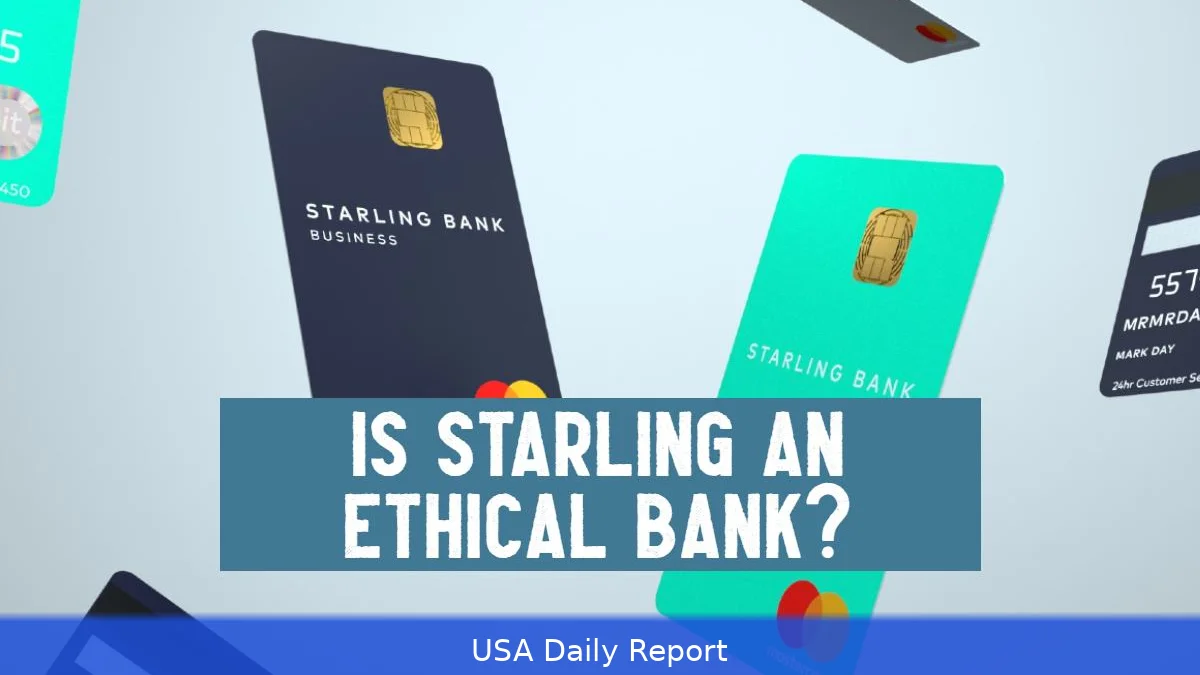
Looking for a bank that matches your values? Ethical banking is on the rise, with more Americans seeking providers that focus on responsible investing, transparency, and social impact. In 2026, several banks stand out for their commitment to ethical principles, offering a range of products that don’t just serve your financial needs but also support causes you care about. From sustainable investing to community development and transparency in fees, here’s a detailed look at the top ethical banks in the US this year.
Quick Comparison of the Best Ethical Banks in the US 2026
- Triodos Bank: Focus on sustainability and impact investing, with a global presence and clear ethical policies.
- Starling Bank: Mobile-first with strong ethical credentials; expanding into US markets with no-fee banking and environmental efforts.
- Monzo: Transparent fees and community-focused, known for user-friendly digital banking and ethical lending practices.
- Northfield Bank: Emphasis on local community financing, supporting small businesses and affordable housing projects.
- Banks with Purpose: Combines profitability and positive social impact, targeting underserved communities with inclusive financial products.
- Amalgamated Bank: Offers competitive rates with progressive values, including union-related benefits and strong advocacy for social justice.
- Beneficial State Bank: Community development and environmental focus, investing heavily in green projects and minority-owned businesses.
- Cambia Bank: Specializes in sustainable financing, including clean energy loans and eco-friendly mortgages.
- Green Bank USA: Supports renewable energy projects and green infrastructure financing, with incentives for eco-conscious customers.
- Ethical Finance Co.: Dedicated to transparency and fair lending, offering clear terms and supporting financial literacy initiatives.
1. Triodos Bank
Triodos is a pioneer in ethical banking, known internationally for investing solely in sustainable ventures. Founded in 1980 in the Netherlands, it has expanded its reach to US customers interested in making a positive impact with their money. The bank exclusively funds projects in renewable energy, social enterprises, organic farming, and cultural initiatives. Its commitment to transparency means customers can see exactly where their money goes.
Key Features: 100% ethical investments; full transparency on loans and investments; strict exclusion of fossil fuels, arms, tobacco, and gambling sectors; regular impact reports.
Pros: Clear and strict ethical policy; global impact including European green projects; robust mobile and online banking platforms with budgeting tools; free basic checking with options for premium accounts offering extra services.
Cons: Limited physical branches in the US, which may affect in-person banking needs; premium accounts start at $10/month, higher than some mainstream banks; slower account opening due to thorough vetting process.
Best for: Customers prioritizing environmental and social impact in their finances, especially those comfortable with digital banking and wanting transparency in where their money is invested.
Pricing: No monthly fees on basic accounts; premium accounts with additional features start at $10/month; wire transfers cost $15; international transfers available with competitive exchange rates.
2. Starling Bank
Though originally UK-based, Starling Bank officially expanded its digital services to US customers in early 2025, targeting those who want a mobile-first, ethical banking experience. It offers a fully digital checking account with no monthly fees and a commitment to environmentally responsible operations.
Key Features: Fee-free transactions including ATM withdrawals; real-time spending notifications; strong environmental commitments such as carbon-neutral operations and support for green initiatives; integrated savings pots encouraging responsible saving.
Pros: Intuitive app with budgeting and spending analytics; no foreign transaction fees; 24/7 customer service via chat; partnership with third-party ethical investment platforms; instant card locking and unlocking.
Cons: No physical branches in the US; limited product range compared to traditional banks; some advanced features require premium subscription at $7/month.
Best for: Tech-savvy customers wanting a simple, transparent, and environmentally conscious digital bank with low fees and real-time controls.
Pricing: No monthly fees on the basic account; premium accounts at $7/month offering perks such as travel insurance and higher ATM withdrawal limits; no fees on domestic and international transactions.
3. Monzo
Monzo has rapidly gained popularity in the US since its 2024 launch, thanks to its transparent fee structure and strong community focus. It’s a fully digital bank with a mission to make money management simple and fair, while supporting ethical lending practices.
Key Features: Transparent fee structure with no overdraft fees on standard accounts; community voting on charitable partnerships; real-time notifications; budgeting tools that categorize spending.
Pros: Easy-to-use app with strong security features; transparent policies on fees and lending; active support for local charities; competitive interest rates on savings accounts up to 2.25% APR.
Cons: No physical branches; some customers report slow customer service response times; limited product offerings beyond checking and savings.
Best for: Younger, socially conscious customers looking for a straightforward digital bank with a strong ethical stance and community involvement.
Pricing: No monthly fees on basic accounts; premium accounts start at $5/month with benefits like travel insurance and higher withdrawal limits; no foreign transaction fees.
4. Northfield Bank
Northfield Bank focuses heavily on local community financing, supporting small businesses, affordable housing, and education projects in underserved areas of the US. Based in New York, it offers both physical branches and digital access, blending traditional and ethical banking.
Key Features: Community development loans; affordable mortgage programs; financial education workshops; green business incentives.
Pros: Strong community ties with local branches; competitive mortgage rates starting at 3.75% APR; support for minority-owned businesses; hybrid digital and in-person banking options.
Cons: Limited national presence; higher minimum deposit requirements ($500); some fees on account maintenance ($5/month).
Best for: Customers looking to support local economic growth and affordable housing with a bank that offers both online and in-person services.
Pricing: Basic checking account fees $5/month; mortgage rates start at 3.75% APR; personal loan rates from 6.5% APR; no minimum balance fees on savings accounts.
5. Banks with Purpose
Banks with Purpose is a mission-driven financial institution that balances profitability with social impact. It focuses on inclusive banking for underserved communities, offering fair credit and financial products designed to reduce inequality.
Key Features: Inclusive lending programs; financial literacy initiatives; community reinvestment programs; focus on affordable credit.
Pros: Strong commitment to social justice; competitive interest rates on loans; no hidden fees; active community engagement; accessible online and mobile banking platform.
Cons: Smaller bank with limited branch network; slower adoption of some new banking technologies; minimum deposit $250 for some accounts.
Best for: Customers wanting to support equitable finance and access banking products that promote social inclusion.
Pricing: No monthly fees on basic accounts; loan rates from 5.99% APR; savings account interest rates around 1.4% APY.
6. Amalgamated Bank
Amalgamated Bank is known for its progressive values and union support. It offers competitive rates and a full slate of banking services while advocating for social justice, workers’ rights, and environmental sustainability.
Key Features: Union-backed bank; competitive savings and checking rates; investments aligned with progressive causes; green banking initiatives.
Pros: Wide range of accounts and financial products; online and mobile banking; socially responsible investment options; no minimum balance requirements.
Cons: Limited physical branches outside the Northeast; some accounts have monthly fees ($7/month without minimum balance); slower approval times for loans.
Best for: Customers who want a full-service bank that stands for labor rights and environmental responsibility.
Pricing: Basic checking no monthly fee with $1,000 minimum balance; savings accounts offer up to 1.6% APY; personal loan rates start at 7.5% APR.
7. Beneficial State Bank
Beneficial State Bank focuses on community development and environmental sustainability. It invests heavily in green projects and supports minority-owned businesses, aiming to bring banking to underserved populations.
Key Features: Community development loans; green mortgages; no overdraft fees; focus on minority and low-income communities.
Pros: Strong environmental mission; no hidden fees; competitive mortgage rates starting at 3.8% APR; excellent customer service.
Cons: Limited branch locations mainly on the West Coast; online banking platform is less advanced than competitors.
Best for: Customers seeking to support environmental projects and minority business growth through their banking choices.
Pricing: No monthly fees on checking; mortgage rates from 3.8% APR; personal loans from 6.9% APR.
8. Cambia Bank
Cambia Bank specializes in sustainable financing options, including loans and mortgages designed for eco-friendly homes and clean energy projects. It offers incentives for customers who invest in sustainability.
Key Features: Green mortgages; solar panel financing; competitive savings rates; carbon offset programs.
Pros: Attractive incentives for sustainable projects; transparent fees; customer rewards for eco-conscious spending; strong online tools.
Cons: Limited branch network; minimum deposit $1,000 for savings accounts; some fees on wire transfers ($20).
Best for: Homeowners and small businesses focused on sustainability and green investments.
Pricing: No monthly fees on checking; mortgage rates start at 3.6% APR; solar financing at 5.5% APR.
9. Green Bank USA
Green Bank USA is dedicated to supporting renewable energy projects and green infrastructure financing. It provides loans and grants to businesses and individuals looking to invest in clean energy solutions.
Key Features: Renewable energy loans; green-certified mortgages; incentives for electric vehicle purchases; carbon footprint tracking.
Pros: Strong focus on environmental impact; competitive loan rates; partnership with government green programs; easy-to-use mobile app.
Cons: Primarily serves business customers; higher minimum loan amounts ($5,000); limited consumer banking products.
Best for: Businesses and environmentally conscious individuals investing in renewable energy and green infrastructure.
Pricing: Loan rates from 4.5% APR; green mortgage rates at 3.7% APR; no monthly fees on business accounts with minimum balances.
10. Ethical Finance Co.
Ethical Finance Co. Prides itself on transparency and fair lending. It offers clear terms, no hidden fees, and supports financial literacy programs to help customers make informed decisions.
Key Features: Transparent fee structure; fair lending practices; educational resources; community reinvestment.
Pros: Easy-to-understand terms; no overdraft fees; strong customer support; diverse financial products including credit builder loans.
Cons: Smaller institution with limited branch access; fewer advanced digital features; minimum deposit $300.
Best for: Customers new to banking or rebuilding credit who want ethical service with fair terms and financial education.
Pricing: No monthly fees on basic accounts; credit builder loans from 6.5% APR; savings accounts pay around 1.3% APY.
How We Chose
We evaluated these banks based on their ethical commitments, transparency, fees, customer experience, and impact. Key factors included whether they avoid investments in harmful industries like fossil fuels and arms, their support for community development, and environmental initiatives. We also looked at product offerings, such as competitive interest rates, mobile banking capabilities, and accessibility for US customers. Pricing transparency and customer reviews played a big role, ensuring these banks don’t just talk ethics but deliver solid value and service.
Our list combines well-established international names like Triodos and Starling with US-focused banks that put local communities first, like Northfield and Beneficial State. We aimed to cover a broad range of customer needs—from digital-only users to those wanting in-person support, and those focused on green investments or social justice.
Final Verdict
Switching to an ethical bank in 2026 means more than just moving your money—it’s about aligning your finances with your values. Whether you want a bank focused on environmental impact like Triodos, a digital-first experience with Starling, or a community-driven approach like Northfield Bank, there’s an ethical option for you. These banks show that you don’t have to sacrifice service or convenience for conscience. And with fees generally competitive or lower than mainstream banks, ethical banking is becoming a smart financial choice too.
Switching to an ethical bank in 2026 means more than just moving your money—it’s about aligning your finances with your values. Whether you want a bank focused on environmental impact like Triodos, a mobile-first approach with Starling, or community-driven financing like Northfield Bank, you can find an institution that fits your needs and ethics. These banks prove that responsible banking can go hand in hand with competitive rates and solid service.


