The Philippines is grappling with inflation hitting its highest point in nearly two years, driven largely by a sudden spike in oil prices. The surge is forcing tough decisions on monetary policy while threatening the country’s economic prospects.
Oil Prices Soar Amid Middle East Conflict
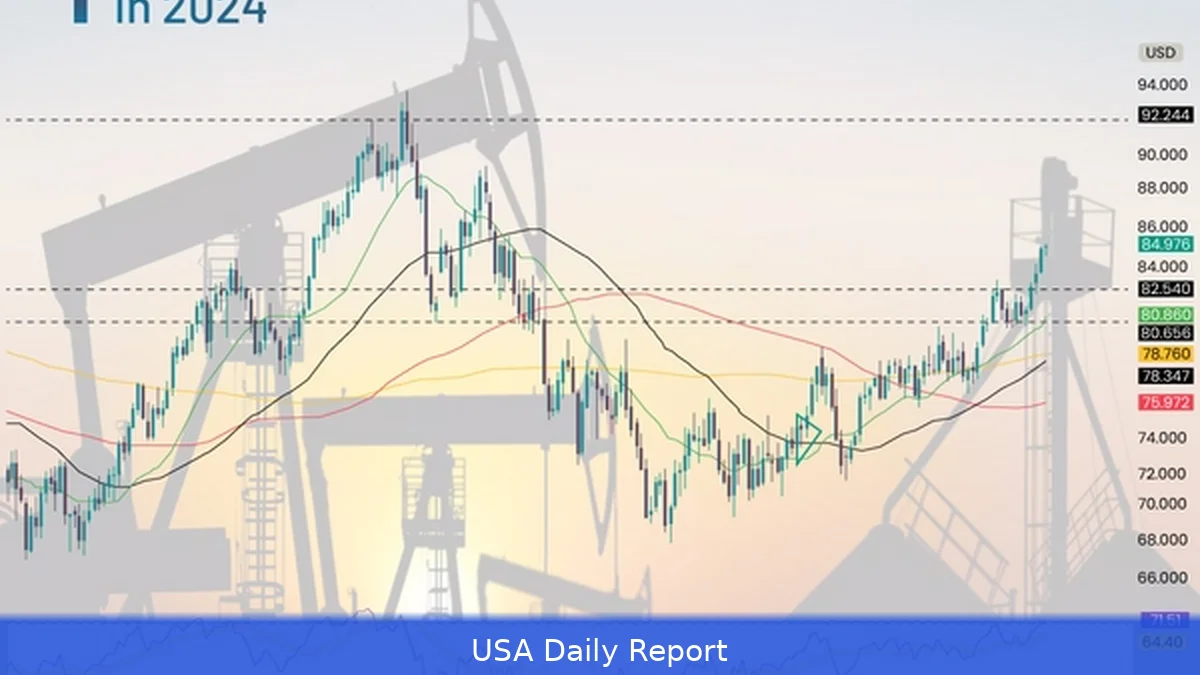
Oil prices have jumped sharply over recent weeks, with Brent crude climbing about 40% in March alone, reaching levels not seen since before the pandemic. The spike traces back to escalating tensions and conflict in the Gulf region, especially Iran’s closure of the strategic Strait of Hormuz—a vital global oil chokepoint. That move has disrupted roughly 20% of the world’s oil flow, sending shockwaves through energy markets worldwide.
The ripple effect is hitting the Philippines hard. The country relies heavily on imported oil, and with global supplies tightening, local fuel prices have surged. Petrol and diesel costs have more than doubled in some cases, squeezing both consumers and businesses.
For a country where energy is a key input for transport, manufacturing, and agriculture, rising oil prices have pushed up costs across the board. Everything from food production to logistics is becoming more expensive, stoking inflationary pressures that were already simmering.
This energy crunch fits into a bigger pattern. The current crisis is being compared to the oil shocks of the 1970s and even the disruptions following Russia’s invasion of Ukraine in 2022. But experts warn That could be worse, with the conflict dragging on and no quick resolution in sight.
Inflation Hits 20-Month Peak, Prompting Emergency Measures
The latest inflation figures show consumer prices climbing past 4%, breaching the Bangko Sentral ng Pilipinas (BSP)’s target range for the first time in 20 months.
The oil shock is the main driver, but rising food prices and supply chain disruptions add to the pressure.
In response, the Philippine government declared a national emergency to address crude shortages and soaring pump prices. Soaring inflation threatens to dampen the country’s economic recovery, which was already facing headwinds from the global slowdown and pandemic aftershocks.
That said, the inflation surge is complicating the BSP’s policy decisions. On one hand, tighter monetary policy—raising interest rates—could help tame inflation and support the peso. On the other, higher rates risk slowing growth in a fragile economy.
At the moment, the BSP has signaled it won’t defend any specific exchange rate level, keeping its market interventions modest. That stance leaves the peso vulnerable to further depreciation, adding to imported inflation risks. Still, some analysts expect the central bank to raise rates as early as April if oil prices stay elevated above $100 a barrel and the conflict drags on.
Economic Growth Outlook Dims as Inflation Surges
The oil shock isn’t just about prices at the pump. It has broader implications for growth across Southeast Asia. The Philippines, with its heavy reliance on oil imports and limited reserves, is particularly exposed. Higher energy costs raise production expenses and reduce consumer spending power.
Growth forecasts for the Philippines have been downgraded accordingly. If the conflict eases soon, the BSP might hold steady on rates, but if prices remain high, more aggressive tightening could be necessary despite growth concerns.
Meanwhile, inflation and currency depreciation risks are putting pressure on government budgets and external balances. The peso’s slide makes imports more expensive, which could worsen trade deficits and limit the country’s ability to invest in recovery efforts.
Still, this crisis tests the Philippines’ resilience. Policymakers must juggle inflation control with support for growth, while navigating external shocks beyond their control.
Global Energy Shocks Compound Regional Vulnerabilities
It’s not just the Philippines feeling the pain. Across Southeast Asia, countries dependent on Gulf energy imports face rising costs and supply uncertainties. That’s partly why food prices are spiking too — fertilizers, transport, and production all depend on oil and gas.
Globally, the war’s effects are reverberating through commodity markets and supply chains, pushing millions toward food insecurity. The World Food Programme warns that tens of millions more could face hunger if the conflict continues unchecked. That grim forecast highlights how intertwined energy, food, and economic stability have become.
The Philippine inflation surge is just one part of a larger issue. It’s a reminder that in today’s global economy, disruptions in one region can quickly cascade worldwide, hitting vulnerable populations hardest.
The next few months will be critical. If the Gulf conflict de-escalates, prices might stabilize, easing inflation and supporting growth. If not, the country and the region will likely face prolonged economic strain.
With inflation at a 20-month high and oil prices still volatile, the Philippines faces tough choices ahead. The BSP’s moves in the weeks ahead will be closely watched by markets and citizens alike, as the country navigates a complex energy crisis with real consequences for everyday life.


