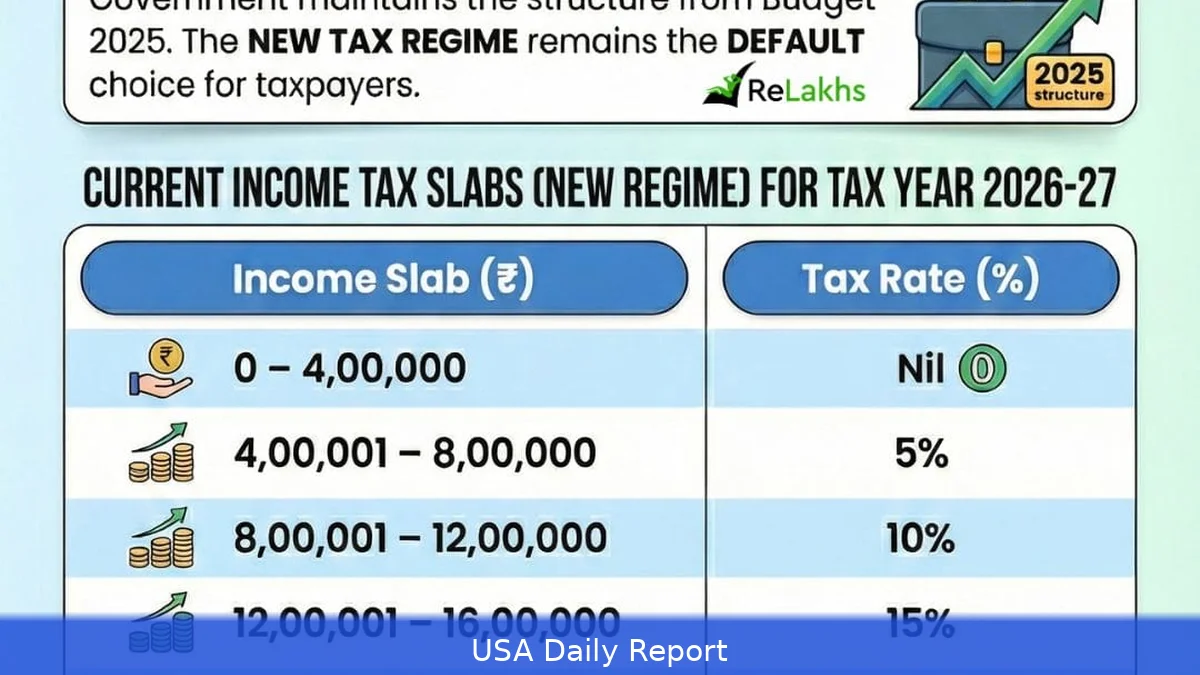
Tax season 2026/27 is shaping up with some key figures to keep in mind. The personal allowance remains frozen, tax bands hold steady, but some allowances have shifted. Here’s a clear breakdown of what to expect and how it affects your take-home pay.
Key Tax Bands and Rates for 2026/27
For the 2026/27 tax year, the personal allowance and income tax rates in the UK remain consistent with recent years, but the details matter more than ever. Here's what you need to know:
- The personal allowance is fixed at £12,570. This means you don’t pay any income tax on your first £12,570 of earnings, but this figure will stay frozen until April 2028.
- The basic income tax rate stands at 20% on income between £12,571 and £50,270.
- The higher rate is 40% on income between £50,271 and £125,140.
- The additional rate is 45% on income over £125,140.
These thresholds haven’t changed since 2023/24, meaning inflation and wage growth could effectively push more people into higher tax brackets over time. For example, if your taxable income is £60,000, you pay 20% on the slice from £12,571 to £50,270 and 40% on the remaining £9,730.
To put numbers on this: on £60,000 taxable income, tax would be £7,540 at 20% plus £3,892 at 40%, totaling £11,432 before National Insurance or other deductions.
Sure, this static structure means tax planning is crucial since your real tax burden can increase as wages grow but bands stay still.
How Personal Allowance Tapers Off Above £100,000
If you earn over £100,000, your personal allowance starts shrinking fast. For every £2 over £100,000, you lose £1 of your £12,570 personal allowance. By the time your income hits £125,140, you lose the entire allowance.
Take someone earning £110,000. That's £10,000 over the threshold. Divide by 2 and you get a £5,000 reduction in allowance. So, personal allowance drops from £12,570 to £7,570.
That means you pay income tax on £102,430 instead of £97,430, pushing your tax bill up by £1,000 (20% of £5,000) plus any additional tax from crossing higher bands.
At £125,140 and above, no personal allowance remains, so every dollar you earn is taxed according to the bands.
Between £100,000 and £125,140, the personal allowance reduces by £1 for every £2 earned, which, combined with the 40% tax rate, means you effectively pay 60% tax on that income slice.
Tax Rates in Scotland Differ Significantly
Scotland uses a more detailed tax rate system, with six rates instead of three:
- 19% starter rate on income up to £14,732
- 20% basic rate on income between £14,733 and £24,611
- 21% intermediate rate on income between £24,612 and £143,668
- 42% higher rate on income between £143,669 and £150,000
- 45% advanced rate on income between £150,001 and £180,000
- 48% top rate on income above £180,000
This means Scottish taxpayers face a more complex tax landscape with multiple thresholds and rates that can catch people off guard. For example, the intermediate rate at 21% applies at a lower threshold than the UK's higher rate band, adding extra tax for incomes over £24,611.
The highest rate of 48% kicks in at £180,000, higher than the UK additional rate threshold but with a higher tax rate on that slice.
All of these differences make tax planning in Scotland more nuanced. For example, if you earn £50,000 in Scotland, your tax is calculated across four different rates: 19%, 20%, 21%, and 42%, rather than just the UK’s flat 20% and 40% bands.
Dividend and Savings Allowances Updated
Dividend income and savings get their own tax-free allowances, but these have seen changes for 2026/27:
- The dividend allowance dropped to £500 in 2026/27, halving from £1,000 in 2024/25 and down from £2,000 in 2023/24.
- The savings allowance remains tiered: £1,000 for basic-rate taxpayers, £500 for higher-rate taxpayers, and zero for those paying the additional 45% rate.
In short, the dividend allowance has been cut sharply, so more of your dividend income will be taxable. And for example, if you receive £2,000 in dividends, you will pay tax on £1,500 at your applicable dividend tax rate.
Dividend tax rates are 8.75% for basic-rate taxpayers, 33.75% for higher-rate, and 39.35% for additional-rate taxpayers. So, a higher-rate taxpayer with £2,000 dividends pays tax on £1,500 at 33.75%, which is £506.25.
Savings income, such as interest from savings accounts, benefits from the personal savings allowance but only if you’re under the additional tax rate. If you earn over £125,140 and pay 45%, you don’t get this allowance.
Other Allowances and Thresholds
The Marriage Allowance remains at £1,260, allowing one spouse to transfer this amount of personal allowance to the other if neither is a higher-rate taxpayer. This figure also stays frozen through 2028.
National Insurance thresholds continue unchanged with the primary threshold at £12,570 per year, aligning with the personal allowance, and the upper earnings limit at £50,270, matching the basic rate threshold.
So, employees earning between £12,570 and £50,270 pay 12% National Insurance contributions, and 2% on earnings above that.
The 2026/27 tax year stays mostly the same. Since personal allowance and tax bands are frozen, inflation could push more people into higher tax brackets. This dividend allowance’s sharp cut to £500 is a notable change, increasing tax on investment income. Above £100,000 income, personal allowance tapers off, creating a steep marginal tax rate zone. People in Scotland deal with a more complicated tax system, with six different rates and various thresholds. Staying informed helps you plan your finances better.


