In March, the U.S. service industry slowed down while inflation rose to its highest point since late 2022. The conflict in Iran is disrupting supply chains and driving up fuel prices, which is affecting the economy.
Services Sector Hits a Snag
The Institute for Supply Management's latest survey shows the non-manufacturing sector’s growth cooled last month. Its headline index slipped 2.1 points to 54%, still above the 50% expansion mark but clearly indicating a slowdown. Hiring also took a hit — the employment index dropped 6.6 points to its lowest since December 2023, signaling a much slower pace of new jobs in the services arena.
And then there’s inflation. The prices paid index jumped 7.7 points, reaching its highest since October 2022. That sharp rise reflects the growing cost pressures businesses are facing, especially due to fuel price spikes linked to the Iran war.
Iran Conflict’s Economic Fallout
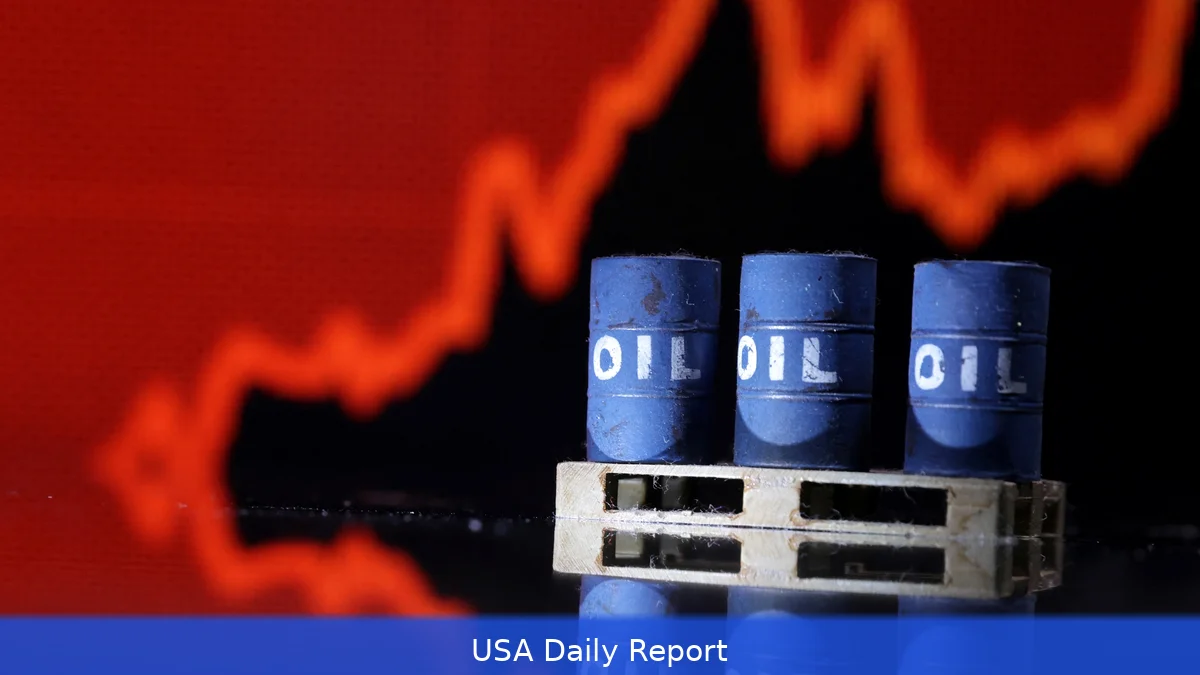
The war that began late February has been a major disruptor. Brent crude oil futures have soared roughly 57%, from $70 to $110 per barrel. Gasoline prices followed suit, climbing about 38% in the U.S., from $2.98 to $4.12 per gallon. That’s a huge burden on industries like airlines, where operational costs are ballooning fast.
Steve Miller, chair of ISM’s services survey committee, said many businesses are adjusting to the effects of the Iran conflict. CEOs and economists alike warn that if the fighting drags on, we could see higher inflation, slower economic growth, and even rising unemployment.
Jamie Dimon, CEO of JPMorgan Chase, spelled it out in his annual letter. He flagged the risk of persistent oil and commodity price shocks reshaping global supply chains, making inflation stickier and forcing interest rates higher than markets currently expect.
Supply Chains in Turmoil
The conflict isn't just about oil. It’s also scrambling supply chains worldwide, affecting sectors like shipbuilding, food production, and farming.
Russia’s war in Ukraine combined with the Iran conflict is causing complex disruptions that won’t be resolved quickly.
Businesses across the board are feeling the pinch. A real estate executive surveyed by ISM warned that surging oil prices could cut deeply into purchasing power, hitting every industry hard. The ripple effect is spreading fast.
Inflation Projections Climb
Several forecasts have moved higher in recent weeks. S&P Global Market Intelligence data suggests consumer price inflation could accelerate back toward 4%. The OECD painted an even grimmer picture, projecting headline inflation to hit 4.2% this year — more than double the Federal Reserve’s 2% target.
Chris Williamson, chief business economist at S&P Global, noted the risk that inflation’s downward trend might stall or even reverse. That would make the Fed’s task of balancing growth and price stability.
Dimon warned about inflation creeping up rather than falling slowly, which could become a problem as soon as 2026. That means businesses and consumers might face ongoing price pressures for years, not months.
What This Means for the Economy
Right now, the service sector’s slowdown is a warning signal. Services make up nearly 80% of U.S. Economic activity, so any sustained dip there risks dragging the broader economy down. Slower hiring adds to concerns, as companies pull back amid uncertainty.
Higher inflation eats into consumer spending power, limiting demand for services and goods. At the same time, the Fed is under pressure to keep raising interest rates to fight inflation, which could further slow growth.
Some sectors are more vulnerable than others. Airlines, transportation, and energy-intensive businesses face the toughest cost hikes. Others might absorb the shock better but could still feel the pinch if inflation stays high.
Supply chain disruptions add another layer of risk. Delays and shortages could keep prices elevated, making it harder for companies to plan and invest.
Looking Ahead
With the Iran conflict still unresolved, the economic fallout could deepen.
If oil prices stay high or climb further, inflation pressures will likely intensify. That means consumers might face higher costs at the pump and in stores, while businesses grapple with rising expenses.
At the same time, slower service sector growth makes people wonder about the strength of the U.S. Economy over the next few months. Will companies keep hiring? Can inflation be tamed without tipping the economy into recession?
It’s clear that the Iran war is more than just a geopolitical crisis. It’s a growing economic challenge that’s already reshaping prices, supply chains, and job markets across the country.
With the service sector slowing and inflation rising, the economic outlook is getting more complicated. Businesses and consumers alike face tough choices ahead, all while watching a conflict thousands of miles away that could decide the next chapter of U.S. Economic health.


