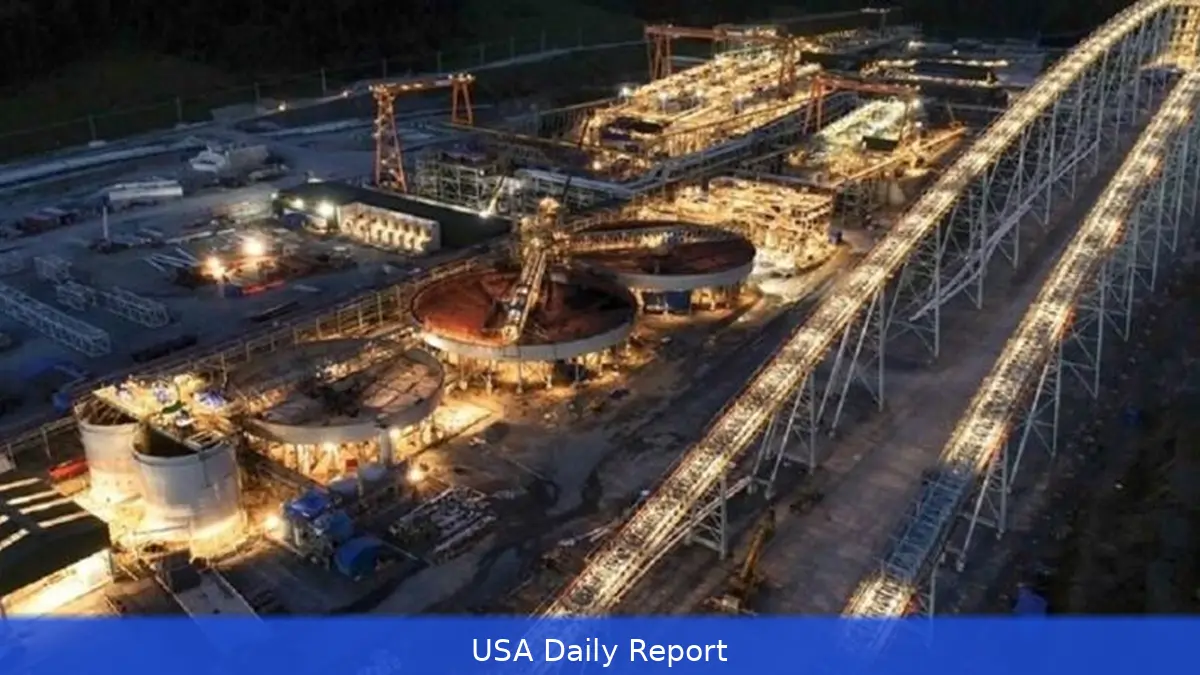
Panama seems to be considering unlocking copper reserves at the First Quantum Minerals mine, which might impact the copper market amid rising global demand. This comes at a crucial time since copper plays a key role in the global shift to green energy.
Rising Copper Demand Meets Environmental Concerns
Copper prices have been rising steadily because the metal is vital for clean energy tech such as electric vehicles, renewable infrastructure, and batteries. The global push for carbon reduction, including President Joe Biden's pledge to cut U.S. Emissions in half by 2030, has pushed copper demand to an inflection point. Copper is no longer just a commodity; it's a key ingredient in the fight against climate change.
But there's a catch. Copper mining carries significant environmental costs. Extraction often disrupts ecosystems, damages ancestral lands, and creates social conflicts. In places like Panama, local communities have voiced strong opposition to mining operations on their lands, highlighting the complicated tradeoff between exploiting today's resources and preserving the environment for future generations.
Panama’s Strategic Move
Panama’s government has recently signaled willingness to unlock copper reserves from the First Quantum Minerals operation, one of the country's largest mines. The decision comes amid global pressure to boost supply as copper becomes scarcer and more expensive. The mine, located in the Cobre Panama region, holds vast copper deposits, but political and social hurdles have limited full exploitation in recent years.
If the mine's output is unlocked, it might help ease copper shortages and affect prices and supply chains worldwide. But it also makes people wonder about environmental stewardship and how Panama balances economic gains against potential ecological damage. Local biologists and environmental advocates have pointed out the risks mining poses to Panama’s rich biodiversity and indigenous communities.
Global Implications and Market Dynamics
First Quantum’s mine in Panama is a major player in the global copper market, supplying a big share of copper used worldwide. As demand for electric vehicles and renewable energy infrastructure surges, so does the need for copper. Batteries alone require large amounts of copper, nickel, and cobalt — metals that are often sourced from geopolitically sensitive or environmentally fragile regions.
Look, the current shortage has pushed prices upward, prompting countries and companies to consider new mines or expand existing ones. Yet, mining expansion isn't straightforward.
Environmental audits, like those voluntarily conducted by companies such as Anglo American in South Africa, reveal the complexity of mining responsibly. Stakeholders must weigh economic benefits against social and ecological costs.
Panama’s decision might set an example—or a cautionary tale—for other countries with untapped mineral reserves. The nation’s decision will be watched closely by investors, environmental groups, and industries reliant on steady copper supplies.
Balancing Economic Growth and Environmental Responsibility
There’s no denying copper is vital for a sustainable future, but mining it responsibly is a challenge. Experts argue for transparent assessments and community engagement to ensure mining projects respect ancestral lands and minimize harm. Some companies have adopted rigorous standards and audits to prove their commitment, but skepticism remains among local populations.
In Panama, the debate is particularly intense. Indigenous groups have resisted mining on their ancestral lands, emphasizing that economic benefits often fail to reach local communities while environmental degradation is widespread. The government’s push to open the First Quantum mine shows the tension between national economic interests and grassroots environmental activism.
Internationally, the copper tradeoff reflects a bigger dilemma: how to meet soaring demand for clean energy materials without sacrificing the very ecosystems the transition aims to protect. Mining companies and governments face mounting pressure to innovate, reduce footprints, and share benefits more equitably.
Frankly, for investors, Panama’s move signals both opportunity and risk. Unlocking new copper supplies could stabilize prices and improve supply chains. But social unrest or environmental mishaps could disrupt operations and damage reputations.
Ultimately, Panama’s choice underscores a global challenge: balancing climate goals with protecting communities and the environment.
As Panama steps toward unlocking the First Quantum copper reserves, the world watches a high-stakes experiment unfold — one that could shape copper markets and environmental policies for years to come.


