Looking for the best home broadband routers in the US for 2026? Whether you want blazing-fast Wi-Fi 7, reliable mesh systems, or budget-friendly options, this guide breaks down the top picks with real specs, prices, and features to help you pick the right router for your home network.
Quick Comparison of Top Home Broadband Routers 2026
- Arris Surfboard Max AX6600: Wi-Fi 6 router with powerful speeds, but performance varies with older devices. Priced around $300.
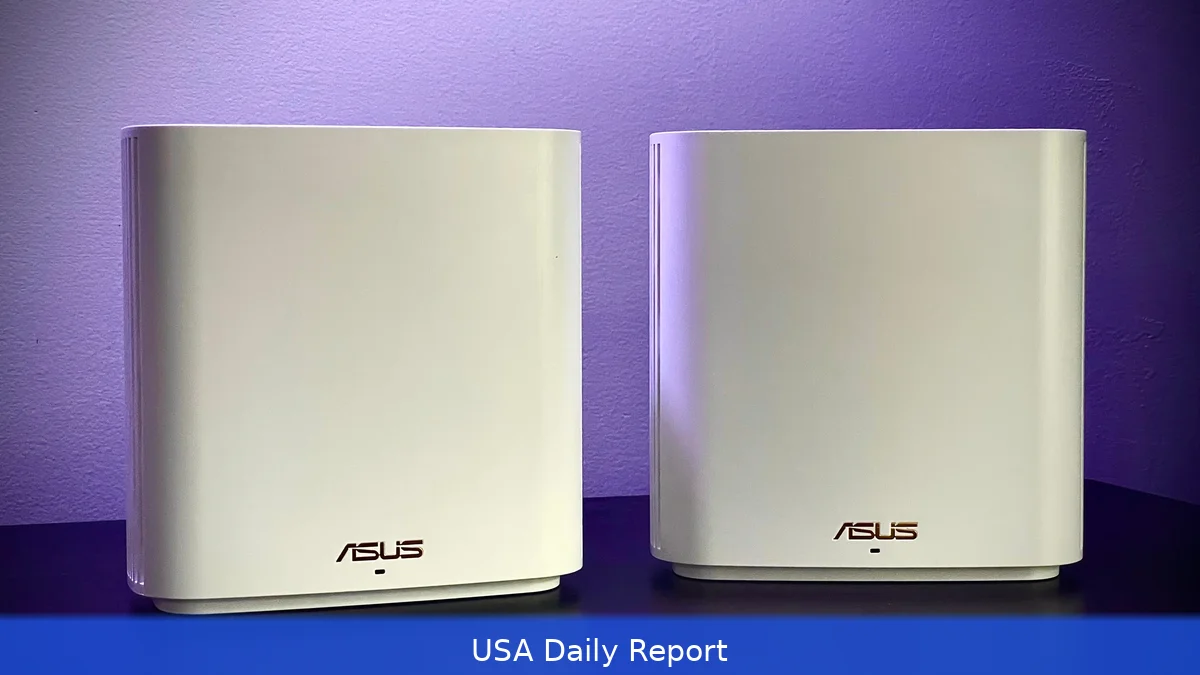
- Asus ZenWifi XD6: Dual-band Wi-Fi 6 mesh system offering solid coverage and good value at about $150 per unit.
- Asus ZenWifi XT8: Tri-band Wi-Fi 6 mesh with multi-gig Ethernet ports, two-pack costing roughly $260.
- Eero 6: Amazon’s entry-level Wi-Fi 6 mesh router, affordable at around $150.
- Eero Pro 6E: Higher-end Wi-Fi 6E mesh system suitable for gigabit speeds, priced near $230.
- TP-Link Deco XE75: Wi-Fi 6E tri-band mesh system with coverage up to 7,200 sq ft, priced around $280 for a 3-pack.
- Netgear Nighthawk RAXE500: Wi-Fi 6E router with 10.8 Gbps max speed, retailing at about $600.
- Google Nest Wifi Pro: User-friendly Wi-Fi 6E mesh system, approximately $500 for a 2-pack.
- Linksys Atlas Max 6E: Tri-band Wi-Fi 6E mesh with multi-gig ports, roughly $450 for a 2-pack.
- TP-Link Archer AX50: Budget Wi-Fi 6 router with solid performance, priced around $120.
1. Arris Surfboard Max AX6600
The Arris Surfboard Max AX6600 stands out with its powerful Wi-Fi 6 capabilities, supporting up to 6,600 Mbps combined speeds. It features eight high-performance antennas and a unique upright cylindrical design that helps with heat dissipation. However, the Ethernet ports on the bottom can be inconvenient for cable management, especially in tight spaces. In real-world use, it excels when paired with Wi-Fi 6 devices, delivering consistent throughput for streaming, gaming, and smart home devices. But older Wi-Fi 5 devices sometimes experience slower connections or drops, which can be frustrating in mixed-device households.
Pros: High-speed Wi-Fi 6 performance with up to 6,600 Mbps, sleek design, supports up to 50 connected devices.
Cons: Ethernet ports awkwardly placed on the bottom, inconsistent speeds with older Wi-Fi 5 devices, no Wi-Fi 6E support.
Best for: Users with mostly Wi-Fi 6 devices looking for a stylish, high-throughput router that handles multiple connections well.
Price: Around $300.
2. Asus ZenWifi XD6
The Asus ZenWifi XD6 is a dual-band Wi-Fi 6 mesh router that balances performance and affordability well. Each unit covers roughly 2,200 square feet, making it suitable for medium-sized homes or apartments. While it lacks tri-band capabilities and multi-gig Ethernet ports, its 2.4 GHz and 5 GHz bands provide steady speeds around 1,800 Mbps combined. The system supports WPA3 security and includes Asus’s AiProtection Pro for network security at no extra cost. Setup is straightforward via the Asus Router app, and the system supports up to 200 connected devices.
Pros: Reliable dual-band Wi-Fi 6 speeds, strong security features, easy setup, and affordable at about $150 per unit.
Cons: No tri-band configuration, lacks multi-gig Ethernet ports which limits wired backhaul speed for mesh nodes.
Best for: Budget-conscious buyers who want dependable mesh Wi-Fi 6 coverage for average-sized homes without extra bells and whistles.
Price: Around $150 per unit.
3. Asus ZenWifi XT8
The Asus ZenWifi XT8 is a step up with tri-band Wi-Fi 6 technology, including a dedicated 5 GHz backhaul band to reduce congestion between mesh nodes. It offers combined speeds up to 6,600 Mbps, and includes two multi-gigabit Ethernet ports per unit for faster wired connections. Each XT8 covers about 2,750 square feet, and a two-pack system covers up to 5,500 square feet. It supports WPA3 security, AiProtection Pro, and has a strong parental control suite. Setup is user-friendly through the Asus Router app. This system is well suited for large homes with many connected devices and gigabit internet plans.
Pros: Tri-band Wi-Fi 6 with dedicated backhaul, multi-gig Ethernet ports, good coverage, strong security features.
Cons: Pricier than dual-band options at around $260 for two units, larger physical size.
Best for: Users with large homes needing fast, reliable Wi-Fi 6 mesh with wired backhaul support.
Price: Approximately $260 for a two-pack.
4. Eero 6
Amazon’s Eero 6 is an entry-level Wi-Fi 6 mesh router that's simple to set up and use, especially for smart home users invested in Amazon’s ecosystem. It delivers combined speeds up to 1,200 Mbps, which is suitable for typical internet plans under 300 Mbps. Coverage per unit is about 1,500 square feet, making it a good fit for smaller homes or apartments. The system supports WPA3 and automatic updates for security but lacks advanced features like multi-gig ports or tri-band technology.
Pros: Easy setup and maintenance, affordable at around $150, good for smaller spaces.
Cons: Limited speed and coverage, no tri-band or multi-gig capabilities.
Best for: Budget buyers with basic internet needs and smaller living spaces.
Price: Approximately $150.
5. Eero Pro 6E
The Eero Pro 6E brings Wi-Fi 6E to the mesh router market, adding a 6 GHz band for less interference and faster speeds. It supports combined speeds up to 4,200 Mbps and can cover about 2,000 square feet per unit. This system is ideal for gigabit internet users and smart homes with many connected devices. It features auto updates, WPA3 security, and Alexa integration. The main downside is the price; a single unit costs about $230, making it pricier than basic models.
Pros: Wi-Fi 6E support for future-proofing, solid speeds and coverage, integration with Alexa.
Cons: Higher price point, coverage may require multiple units for large homes.
Best for: Users wanting the latest Wi-Fi 6E tech and gigabit-level speeds in a mesh system.
Price: Around $230 per unit.
6. TP-Link Deco XE75
The TP-Link Deco XE75 is a tri-band Wi-Fi 6E mesh system that covers up to 7,200 square feet with a 3-pack. It offers combined speeds up to 5,400 Mbps and includes the 6 GHz band to reduce network congestion. Each unit supports two multi-gigabit Ethernet ports for high-speed wired connections. The system supports WPA3 security and includes TP-Link HomeCare for antivirus and parental controls. Priced at around $280 for the three-pack, it’s a competitive option for users who want future-proof mesh Wi-Fi 6E coverage without breaking the bank.
Pros: Tri-band Wi-Fi 6E with multi-gig Ethernet, extensive coverage, built-in security and parental controls.
Cons: Setup can be complex for less tech-savvy users, somewhat bulky hardware.
Best for: Large homes needing fast, reliable Wi-Fi 6E mesh coverage with wired backhaul options.
Price: About $280 for a 3-pack.
7. Netgear Nighthawk RAXE500
The Netgear Nighthawk RAXE500 is a standalone Wi-Fi 6E router targeting power users and gamers with max speeds up to 10.8 Gbps. It supports tri-band Wi-Fi including 2.4 GHz, 5 GHz, and 6 GHz bands. Coverage is suitable for large homes up to 3,500 square feet. This router includes four Gigabit Ethernet ports but lacks multi-gig support. Its premium price of around $600 reflects its advanced hardware and strong performance in demanding network environments.
Pros: Top-tier Wi-Fi 6E speeds, solid coverage, advanced QoS and gaming features.
Cons: Expensive, no multi-gig Ethernet ports, large physical size.
Best for: Gamers and power users with large homes who demand the fastest Wi-Fi 6E performance.
Price: About $600.
8. Google Nest Wifi Pro
Google Nest Wifi Pro is a Wi-Fi 6E mesh system designed for ease of use and seamless integration with Google services. A two-pack covers roughly 4,400 square feet and supports speeds up to 5.4 Gbps combined. It features WPA3 security and automatic software updates. Its simple design and app-based setup make it appealing for less technical users. However, its $500 price tag for two units is on the higher end compared to similar mesh systems.
Pros: Easy setup, Wi-Fi 6E support, integrates well with Google smart home devices.
Cons: Higher cost, fewer advanced networking options for power users.
Best for: Users invested in Google’s ecosystem seeking hassle-free Wi-Fi 6E mesh coverage.
Price: Around $500 for two units.
9. Linksys Atlas Max 6E
The Linksys Atlas Max 6E is a tri-band Wi-Fi 6E mesh system that offers multi-gig Ethernet ports on each node. A two-pack covers up to 5,000 square feet and supports speeds up to 6,600 Mbps combined. It includes WPA3 security and supports wired backhaul for stable mesh connections. The system is slightly bulkier and priced around $450 for two units. It’s a solid choice for those who want advanced features and future-proof Wi-Fi 6E tech.
Pros: Tri-band Wi-Fi 6E, multi-gig ports, strong coverage, support for wired backhaul.
Cons: Larger physical size, pricier than entry-level mesh systems.
Best for: Users with large homes who want advanced Wi-Fi 6E mesh with wired backhaul options.
Price: Approximately $450 for two units.
10. TP-Link Archer AX50
The TP-Link Archer AX50 is a budget-friendly Wi-Fi 6 router that offers solid speeds up to 3,000 Mbps combined and supports OFDMA for efficient multi-device connections. It covers about 1,800 square feet and features four Gigabit Ethernet ports. While it lacks mesh capabilities and multi-gig ports, it’s a great option for smaller homes or apartments with internet plans up to 500 Mbps. Priced around $120, it’s one of the most affordable Wi-Fi 6 routers on the market in 2026.
Pros: Affordable Wi-Fi 6 router, strong speeds for the price, simple setup.
Cons: No mesh support, no multi-gig ports, limited coverage.
Best for: Budget buyers with small homes and moderate speed internet plans.
Price: Around $120.
Choosing the right router in 2026 means thinking about your home size, device mix, and internet speeds. If you need solid, affordable Wi-Fi 6 mesh, the Asus ZenWifi XD6 at about $150 per unit is a solid bet. For bigger homes with gigabit internet, the Asus ZenWifi XT8 offers tri-band performance and multi-gig ports for around $260. Those wanting the latest Wi-Fi 6E tech can Look at the Eero Pro 6E or TP-Link Deco XE75, offering future-proof speeds and coverage but at higher prices. Budget buyers with simpler needs should look at the TP-Link Archer AX50 or Eero 6 for reliable, cost-effective Wi-Fi 6. Your best router depends on balancing coverage, speed, and budget.


