
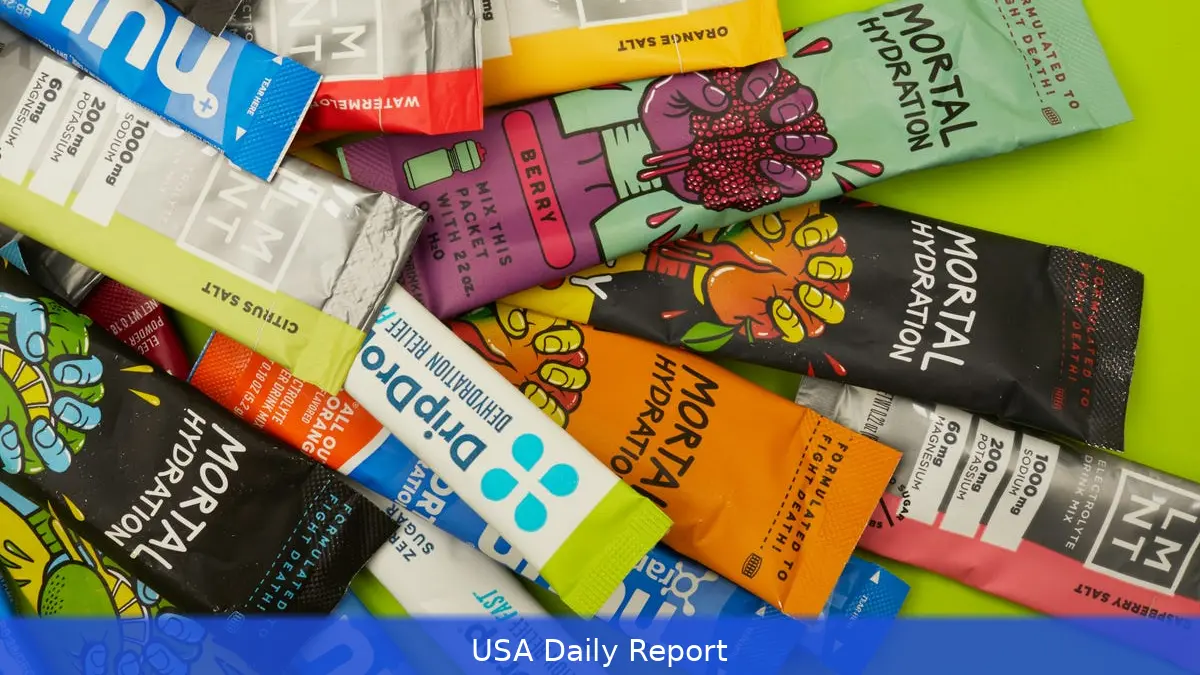
Ten powders stood out in a test of nearly 20. We mixed each with water and judged taste, solubility, ingredient panels, and performance during light and heavy sweat sessions to find options that balance practical rehydration with everyday flavor.
How we tested - Side-by-side comparisons of nearly 20 powders mixed with water. - Judged on flavor, solubility, ingredient lists, and how the drink felt during light activity and heavy sweat sessions. - Reviewed nutrition panels (sodium, potassium, magnesium, carbohydrates) to see which blends suit casual rehydration versus heavy exercise. Which minerals matter - Sodium: central for effective rehydration; helps the body absorb and retain fluid (Heather Gosnell, pediatrician). - Potassium: works with sodium to manage fluid balance. - Magnesium: common in mixes but can cause stomach upset at high doses; excessive magnesium can have a laxative effect. - Calcium and phosphorus: less commonly included in powders; can affect absorption when taken with other nutrients. - Small amounts of sugar/carbohydrate: help the gut move water into the bloodstream during prolonged exertion (Amy Brownstein, registered dietitian nutritionist at MyNetDiary). Match the powder to the sweat - Everyday hydration or a mild hangover: choose powders with modest sodium and carbs. - Long or intense sessions (races, long rides, extreme heat): prefer powders with higher sodium and some carbohydrates to help preserve glycogen and delay fatigue. - Signs you may need more sodium: noticeable white residue from sweat on skin or clothing. What to watch on the label - Sodium: check milligrams per serving and match to your activity level; most Americans get substantial sodium from food. - Carbohydrates and sugar: small amounts aid absorption and fuel during long workouts; heavy sugar loads are unnecessary for casual use. - Magnesium: useful in moderation; if you get loose stools after switching powders, check magnesium content. - Artificial colors and flavors: optional to avoid; plenty of solid options skip synthetic dyes. Matching a powder to how and how hard you sweat changes how well it works. For daily use, a modest-sodium formula avoids unnecessary salt; during long, hot, or high-intensity workouts, higher-sodium mixes with some carbohydrates better support fluid retention and energy.Related Articles
- MLB Rule Changes 2026: Pitch Clock, Shift Ban, ABS
- Tax Day 2026 Deals: Restaurants, Retailers Offer Freebies
- How March Madness Works: The NCAA Tournament Bracket, Seeding, and Selection Process Explained
'Most people already consume the recommended 2,300 milligrams of sodium per day,' said Amy Brownstein, registered dietitian nutritionist at MyNetDiary. For everyday hydration or a mild hangover, choose a powder with modest sodium; for long or intense sessions, pick a higher-sodium formula that includes some carbohydrates to help absorption and delay fatigue.
This article was created with AI assistance.


