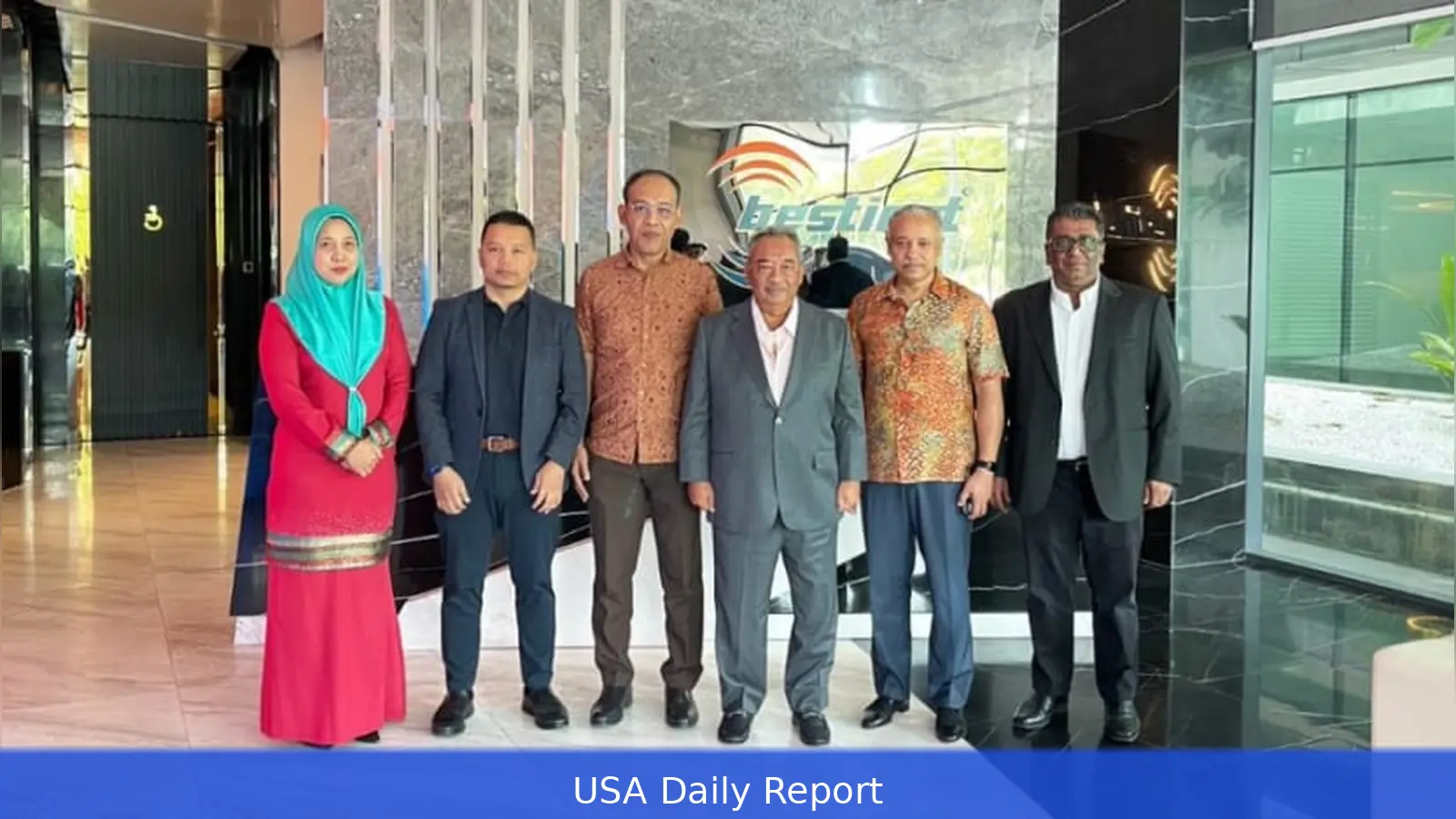
Malaysia plans to adopt Aminul Islam’s digital hiring platform.
What’s happening
Malaysia is moving to adopt a new foreign worker recruitment platform built by Bestinet, the firm founded by labour tycoon Datuk Seri Aminul Islam, people familiar with the matter told reporters.
The system is being marketed as a portal — the Universal Recruitment Advanced Platform (TURAP) — that lets employers sign up and hire workers directly, instead of going through third‑party agents who frequently charge high fees.
The decision is still early-stage. Officials say the plan needs agreement from the Ministry of Home Affairs and final approval from the Cabinet before it can be rolled out nationwide.
How the system works
Bestinet already runs a digital framework known as the Foreign Workers Centralised Management System, or FWCMS, which Malaysia uses now for components of recruitment — health checks, insurance modules and interactions with recruitment agents.
Turap would add an employer-facing portal where companies could register and search for available workers, the people said. Proponents argue the platform could shrink the role of middlemen by letting employers directly list vacancies and process candidates online.
The platform pushes matching and paperwork onto an automated system, replacing manual steps with software-driven workflows. Critics say giving a private company more control risks reproducing rent‑seeking behaviour unless the government sets strict oversight rules.
Controversies and legal concerns
The plan comes after an investigation into corruption and abuse in Malaysia’s recruitment of workers from Bangladesh. Bangladesh’s police in 2024 asked Malaysia to stop using the FWCMS and sought the extradition of Aminul Islam, alleging he played a role in a system that “fraudulently extorted” workers.
Datuk Seri Saifuddin Nasution Ismail, Malaysia’s Minister of Home Affairs, said Malaysia’s police were in touch with their Bangladeshi counterparts about those concerns.
Aminul has denied wrongdoing and has defended his work with migrant labour systems. In a past interview he likened the system to a highway and said he was "not responsible for the people who use it," referring to officials and agents who allegedly abused the process, according to reporting.
Lui & Bhullar, the law firm representing Aminul, said he declined to comment on the current adoption talks.
Political stakes in Kuala Lumpur
The decision has political weight. Human Resources Minister Ramanan Ramakrishnan publicly mentioned the new system in an interview early this year, but he didn't say Bestinet would operate it directly.
Ramanan only took the labour portfolio after a December cabinet reshuffle. His predecessor, Steven Sim Chee Keong, had raised questions about the plan, including concerns about concentrating more power in the hands of Aminul and Bestinet.
Adopting TURAP isn't just technical; it's a political decision about who controls recruitment, how transparent the system will be, and what governance safeguards are put in place.
Economic implications for Malaysia
Recruitment costs have long been a flash point. Workers and rights groups say excessive fees and illegal charges by middlemen reduce wages for migrants and can trap them in debt. Governments and companies say the costs are also a business problem: inflated recruitment fees raise operating expenses for employers and can distort labour markets.
If TURAP actually streamlines hiring and bypasses middlemen, employers could see lower costs and some corruption risks might fall — but that's conditional on enforcement and design. But the track record of FWCMS and the extradition request from Bangladesh underline why implementation and enforcement matter.
Fair rules and independent oversight would be needed to ensure savings reach workers and firms rather than being captured by new intermediaries.
Regional diplomatic fallout
Bangladesh’s formal request in 2024 to suspend use of FWCMS and to extradite Aminul put bilateral ties under strain. The Malaysian Home Ministry’s discussions with Bangladeshi police show the issue has moved beyond domestic policy debates into diplomacy and law enforcement cooperation.
Pressure from Bangladesh and cross‑border policing can push Malaysia to reform recruitment systems, but it also makes any plan that reuses the same tech or people politically sensitive.
Broader labour-market and investor signals
For businesses operating in Malaysia — from factories to construction firms — the prospect of a single, standardized recruitment portal may look attractive. A digital system promises faster onboarding, clearer records and possibly lower administrative costs.
Investors will be paying close attention to the details — who controls the data, who sets fees and who decides which candidates are approved. The private operator, regulatory checks and judicial oversight will all influence whether the new system reduces risk or just reshapes it.
What the move doesn't yet settle
The plan doesn’t resolve the pending legal and diplomatic questions tied to Aminul’s past. He hasn't been extradited or charged in Malaysia, and Malaysian authorities haven't named him in any formal procurement for the new platform, according to people familiar with the matter.
And the cabinet still needs to sign off. So while ministers have talked about timelines, the pathway from pilot to national rollout remains uncertain.
Possible U.S. Interest and global context
Malaysia’s choices on migrant-worker systems will be watched beyond the region. U.S. Firms with vendors or manufacturing ties to Malaysia could face supply-chain implications if recruitment costs fall or if reputational risks around labour practices shift.
At the same time, Washington and international buyers increasingly demand supply-chain transparency and respect for workers’ rights. Any system that helps document recruitment fees, contracts and health clearances could make it easier for global companies to show compliance — provided the records are trustworthy.
That said, the core debate in Kuala Lumpur is domestic: who runs hiring channels, how to protect migrants, and how to rebuild trust with sending countries such as Bangladesh.
Related Articles
- Geelong refinery fire threatens Australia’s petrol supplies
- Tillis to Block Fed Nominee, Urges Trump to Apologize to Pope
- Equinor Trading to Top Guidance as War Sparks Volatility
Ramanan Ramakrishnan, Malaysia’s Human Resources Minister, told The Star that "Malaysia hopes to adopt the system by the middle of 2026."


