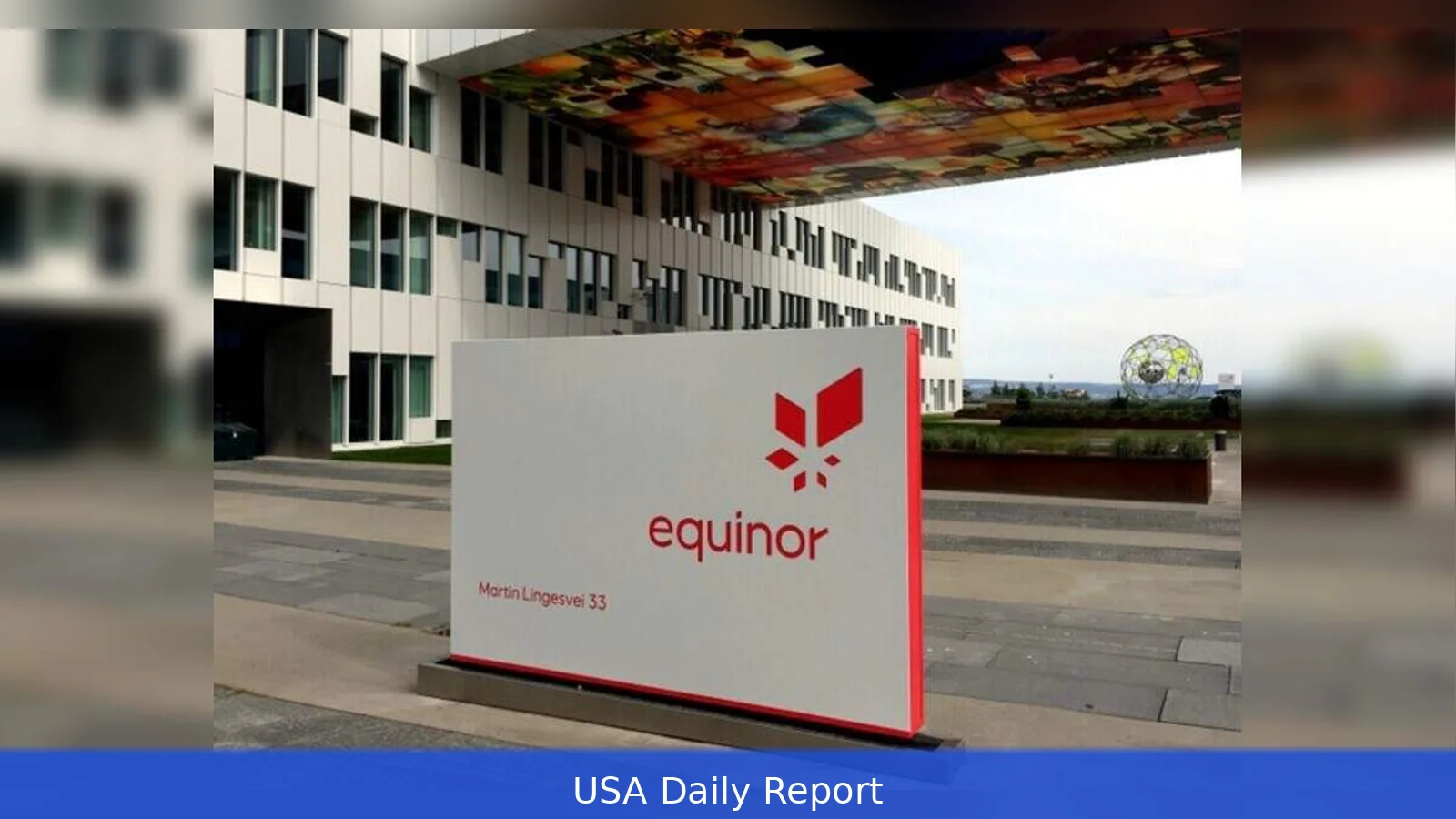
Equinor expects its trading arm to beat guidance this quarter. Volatile oil and gas markets tied to the Middle East conflict and U.S. Weather swings helped.
Trading windfall driven by Middle East shock and cold snap
Equinor said its Marketing, Midstream and Processing division is set to report stronger-than-expected first-quarter results after markets swung wildly in recent weeks. The company told investors that the quarter will come in above its normal quarterly adjusted operating-income benchmark of about $400 million.
Much of this was due to sudden shifts in supply and demand. The company pointed to turmoil around the Persian Gulf and a U.S. Gas price spike during a late-January cold spell as the main drivers.
That turbulence pushed prompt crude markets tighter, helped lift Brent above $100 a barrel at times in March and forced buyers to scramble for non-Middle East barrels, according to reporting by Jesus Calero and Terje Solsvik. The same moves re-priced freight, refined product flows and regional gas spreads — all of which trading desks profit from when they’re positioned right.
Equinor’s disclosure follows similar signals from other large integrated energy firms, which flagged robust trading results after the conflict altered crude and fuel flows.
How Equinor’s broader results feed into the picture
Equinor reported strong full-year and fourth-quarter 2025 operating results, underscoring that the trading gains come on top of an already profitable period. In the fourth quarter, the company recorded an adjusted operating income of $6.20 billion and adjusted net income of $2.04 billion, with adjusted earnings per share of $0.81.
Production was a big part of that performance. Total equity production reached 2,198 mboe per day in the fourth quarter, up 6% year-on-year, and the full-year average hit a record 2,137 mboe per day.
Anders Opedal, president and CEO of Equinor ASA, said new fields and strong operations helped deliver those results.
Anders Opedal warned the group is staying disciplined on costs and capital. The company cut its organic capital-expenditure outlook for 2026–27 by $4 billion, plans to reduce operating costs by 10% in 2026 and is targeting around 3% oil and gas production growth in 2026.
U.S. Ties and what it means for American markets
Equinor’s U.S. Exposure makes its trading gains relevant to American energy markets. The firm expanded its U.S. Onshore gas holdings in late 2024 and has new wells delivering production for its E&P USA segment, according to the company’s results release.
When U.S. gas prices spike, traders operating in the country can take advantage of price differences across regional hubs and export routes. Equinor noted its U.S. Gas trading benefited from the January cold snap, which briefly pushed prices up in parts of the country.
Those price moves matter to U.S. Consumers and businesses in several ways. Higher gas prices can increase heating and electricity bills, raise input costs for energy-intensive industries and make liquefied natural gas (LNG) exports more lucrative. They also alter refinery economics and push cargoes to markets willing to pay premiums, which can tighten domestic supplies if more volumes are exported.
Political and economic ripple effects
The gains for Equinor and its peers go beyond just corporate profits. They reflect how geopolitical shocks can instantly rewire global energy flows and put pressure on policymakers.
U.S. Officials monitor such market swings because sudden price jumps can feed inflation and political pressure at home. When crude rallies above $100, it tends to lift gasoline and diesel prices at the pump — and that in turn draws congressional attention.
At the same time, the private profits from trading desks can complicate public debate about energy security. Companies say their trading activity smooths supply imbalances and supports liquidity. Critics argue those same desks can amplify volatility during crises.
Investor returns and corporate actions
Equinor is already returning cash to shareholders. The company proposed increasing its fourth-quarter cash dividend to $0.39 per share and announced a share buyback program of up to $1.5 billion for 2026. That comes on top of the stronger trading outlook.
Investors will weigh whether the trading upside is one-off or the start of a series of stronger quarters if volatility persists. Equinor says it expects MMP to average about $400 million in adjusted operating income per quarter over time — but this quarter should be higher.
For markets, the near-term effect is straightforward: stronger trading income lifts company cash flow and makes dividends and buybacks easier. Longer term, sustained volatility could change how energy firms allocate capital between production, trading, refining and power investments.
What to watch next
Equinor will publish full first-quarter earnings on May 6, when investors will get line-by-line disclosure of how trading, refining and production contributed to cash generation. Traders and analysts will be watching commodity spreads, cargo flows through critical chokepoints and regional gas hub differentials.
Right now, questions also linger about how persistent the supply disruptions will be and whether new sources of barrels will replace any shortfalls. If prompt markets stay tight, trading desks could keep booking oversized results. If flows normalize, those gains could evaporate.
Geopolitical shocks combined with weather events can quickly cause big swings in cash flow and risk for global energy companies, and these effects are felt in the U.S. through prices, trade, and corporate returns.
Related Articles
- EasyJet Shares Fall After Iran War Warning
- Neukgu: Howl recordings and AI fuel South Korea's wolf hunt
- Beirut wary of Lebanon-Israel talks
"With new fields on stream and strong operations, we deliver record-high production and competitive returns in 2025," said Anders Opedal, president and CEO of Equinor ASA.


