
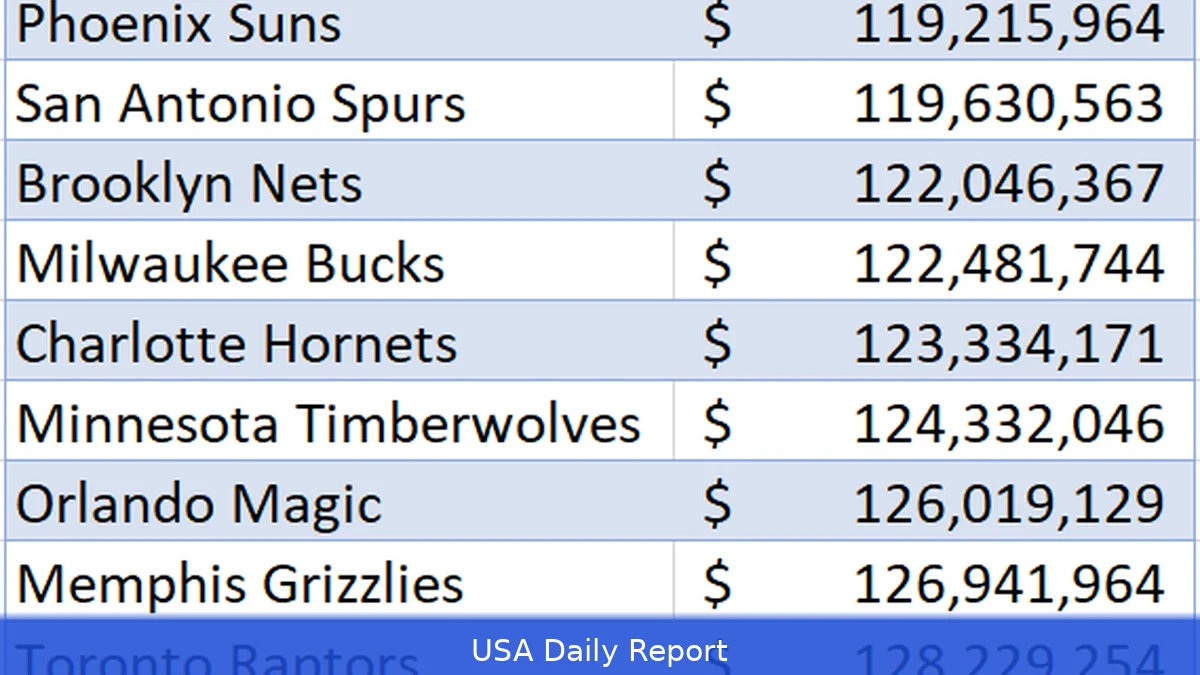
Every NBA season, salary cap rules shape the fate of franchises. They decide if a team can chase big-name free agents or if it must rebuild patiently. The salary cap isn’t just a number — it’s a complex web of thresholds, exceptions, and penalties. In 2026, understanding these rules has never been more crucial. This guide breaks down the NBA salary cap system, including the luxury tax and aprons. We’ll reveal how teams juggle money to build title contenders and avoid crippling penalties. Whether you’re a fan, a fantasy player, or a budding team executive, this deep dive will help you see what really drives roster decisions in the NBA today.
Understanding the NBA Salary Cap Basics
The NBA salary cap acts like a financial speed limit for teams. It sets the maximum amount a team can spend on player salaries in a given season. But unlike a hard cap in some sports, the NBA’s system is a soft cap. That means teams can exceed it in certain situations, but they pay a price for doing so. The salary cap resets every year based on a formula linked to league revenues, ensuring it reflects the business side of basketball.
In 2026, the salary cap is projected to be around $136 million, though it can fluctuate with league income. The key figure every team watches is the cap number itself, but there are multiple thresholds to consider: the salary cap, the luxury tax threshold, and the apron. Each triggers different rules and consequences.
The salary cap influences contract negotiations, trades, and free agency. Teams must navigate various exceptions to keep star players while adding role players. This balancing act is what makes the NBA offseason so fascinating for fans and analysts alike.
Luxury Tax: What it's and How It Works
The luxury tax is the NBA’s way of penalizing teams that spend significantly above the salary cap. The goal is to promote competitive balance by discouraging the richest franchises from hoarding talent.
When a team’s payroll exceeds the luxury tax threshold, it must pay a dollar-for-dollar tax on the overage, but the penalties escalate the further they go above that mark.
In 2026, the luxury tax threshold will probably sit around $165 million. Teams crossing that line enter costly territory. The tax isn’t just a flat rate—it’s a tiered system. The more a team exceeds the threshold, the steeper the tax multiplier becomes. For instance, if a team is $5 million over, they pay a certain amount per dollar. But if they push $20 million over, the tax rate jumps substantially.
This system forces teams to weigh the benefits of keeping expensive rosters against the financial hit. Some franchises, like the Lakers or Nets, have historically accepted luxury tax bills to chase championships. Others stick well below the threshold to build sustainably. The tax money collected is redistributed to teams that stay under the limit, adding another layer of competitive balance.
Teams also face a repeater tax if they pay the luxury tax in consecutive years, which makes overspending even more expensive. This encourages franchises to manage their payroll carefully over time, not just in single seasons.
The Apron: A Hard Cap Within a Soft Cap System
While the NBA salary cap is technically soft, the apron acts as a hard cap that certain teams can’t exceed under specific conditions. The apron is set about $6 million above the luxury tax threshold. It comes into play mainly when teams use certain exceptions, like the bi-annual exception or sign-and-trade deals.
If a team crosses the apron, it loses access to many salary cap exceptions and faces tighter restrictions on trades and free agent signings. For example, teams above the apron can’t use the bi-annual exception, which is a valuable tool for adding mid-level talent. They also can’t use the taxpayer mid-level exception to sign players, limiting their flexibility.
The apron exists to prevent teams from gaming the system by repeatedly using exceptions while already paying luxury tax. It’s a safeguard that encourages teams to manage their finances responsibly. Crossing the apron is a sign a team is fully committed to spending big, often in pursuit of a championship window.
Teams flirting with the apron must plan carefully. They often face tough choices about whether to keep expensive veterans or clear cap space to maintain roster flexibility.

The apron can force difficult roster moves, especially when combined with luxury tax penalties.
Exceptions, Trades, and How Teams Stay Competitive
The NBA salary cap isn’t just a limit — it’s a complex set of rules with built-in exceptions that teams exploit to build rosters. These exceptions allow franchises to sign players even if they’re over the cap, keeping competitive balance intact and enabling teams to keep key players.
One of the most important is the mid-level exception (MLE). It lets teams sign players for a set amount even if they’re over the cap but below the apron. The MLE helps teams add role players and bench depth, which is vital for championship runs. Then there’s the bi-annual exception, which teams can use every two years to add another piece.
Trades are another critical tool. Teams can trade players and contracts within cap rules to clear space or take on salaries. The NBA’s trade rules include salary matching requirements, which means the salaries exchanged must be roughly equal for teams over the cap. This complicates trades but also creates strategic opportunities.
Teams also use Bird Rights, which allow them to exceed the cap to re-sign their own players. This exception rewards teams for developing talent and keeping their core intact. It’s why star players often stay with one franchise despite salary cap pressures.
These exceptions, combined with savvy front office work, let teams remain competitive year after year. They must balance spending to stay under tax penalties while keeping a strong roster. The best GMs know how to juggle these rules to maximize talent without breaking the bank.
Building Championship Rosters Under Salary Cap Constraints
Championship teams don’t just throw money at stars—they build rosters strategically within the cap framework. The salary cap forces teams to prioritize spending, develop young talent, and manage contracts carefully. Star players earn the biggest salaries, but role players and bench depth often determine playoff success.
Teams chasing titles often allocate a large chunk of their cap to two or three stars. But they must also find affordable role players through the draft, exceptions, or savvy trades. Balancing the payroll ensures they don’t trigger crushing luxury tax penalties or hit the apron prematurely.
Cap-friendly contracts are gold. Young players on rookie scale deals give teams flexibility, allowing them to spend on stars while maintaining depth. Teams also seek flexible contracts—players willing to accept shorter or lower deals—to preserve future cap space.
Timing is crucial. Teams aim to align star players’ max contracts within the same window.
They also plan contract extensions and free agent signings years in advance to avoid cap pitfalls. Sometimes, teams trade away valuable players to clear cap space for a bigger free agent or to avoid luxury tax penalties.
In short, building a championship roster under the NBA salary cap is a chess game. It requires foresight, financial discipline, and a deep understanding of cap mechanics. The franchises that master this balance often dominate the league for years.
Future Trends and How the 2026 Cap Could Shift NBA Strategies
The NBA salary cap is always evolving, responding to changes in league revenue, TV deals, and collective bargaining agreements. By 2026, the cap will probably rise, potentially pushing the luxury tax and apron thresholds higher as well. That could open new doors for team spending but also raise the stakes on managing tax penalties.
Teams might get more aggressive in free agency, chasing star players with bigger max contracts. But luxury tax penalties will still loom large. Franchises may innovate with contract structures and player incentives to navigate these waters.
The league could also tweak exceptions or introduce new mechanisms to keep competition balanced. For example, there’s ongoing discussion about modifying the luxury tax system to prevent runaway spending by the richest teams.
Technology and analytics will play a growing role in cap management. Front offices use advanced models to forecast cap space years ahead, plan contract renewals, and evaluate trade scenarios. This data-driven approach allows teams to optimize their rosters and financial commitments more precisely than ever.
For fans and players, understanding the salary cap’s future trends is key to grasping how the NBA landscape will shift. Teams that adapt quickly to these changes will have a clear edge in building contenders.
The NBA salary cap in 2026 isn’t just a number—it’s the backbone of roster building and team strategy. Luxury tax penalties and the apron create real financial consequences, forcing teams to balance star power with depth and payroll discipline. Smart GMs use exceptions, trades, and contract timing to navigate these complex rules. Understanding these mechanisms reveals why some teams dominate while others rebuild. For anyone following the league, knowing how the cap works offers a front-row seat to the business of basketball and the pursuit of championships.
This article was created with AI assistance.


