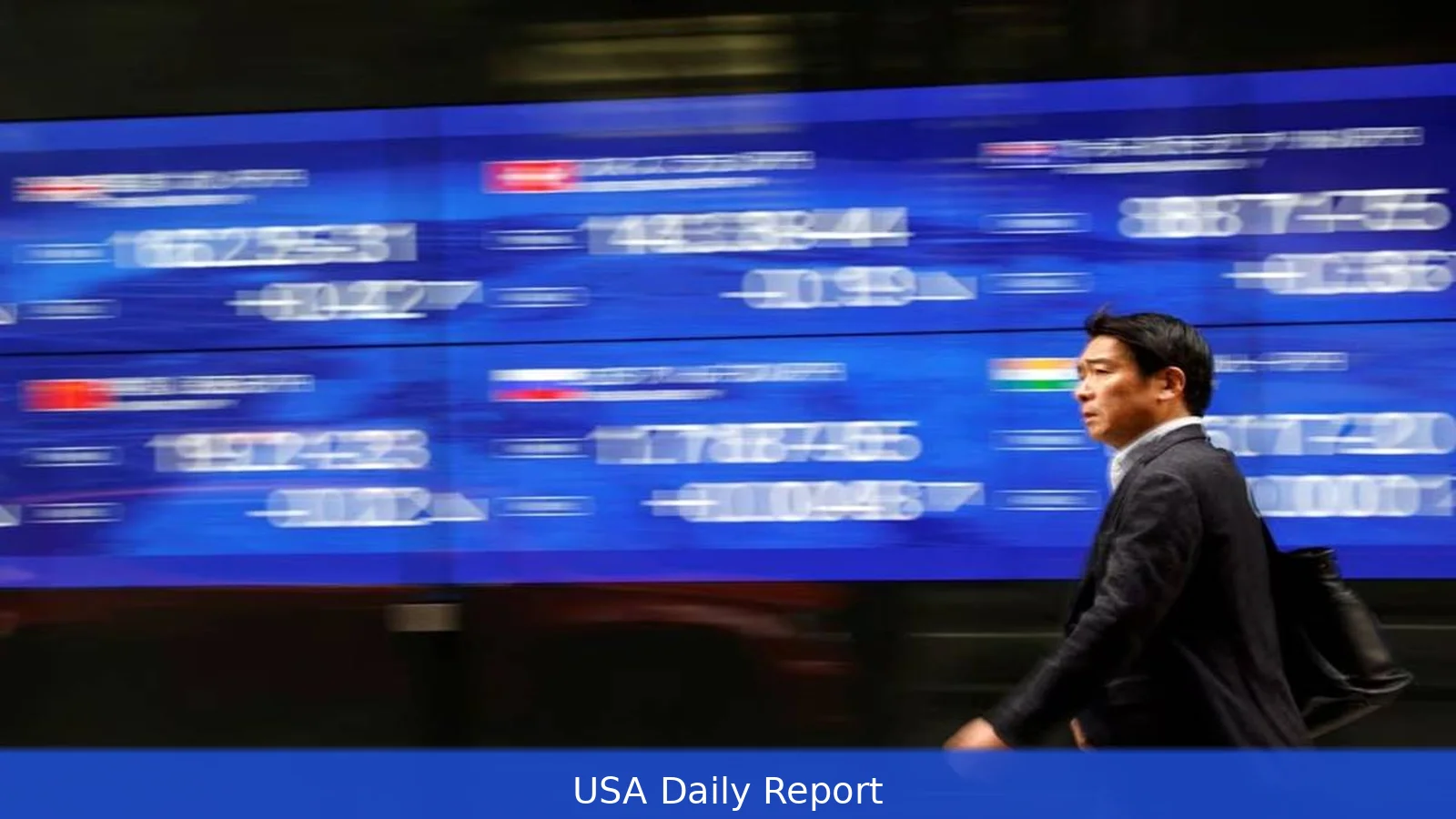
Asian stocks jumped as hopes for a U.S.–Iran deal eased oil worries.
Risk appetite returns to Asian bourses
Markets in Asia opened higher Thursday as investors bet a diplomatic path between Washington and Tehran could cool energy prices and remove a major source of volatility. The mood carried over from a strong session on Wall Street, where gains in major U.S. Banks and tech names pushed benchmark indexes to fresh records.
Traders are increasingly reacting to headlines instead of digging into company fundamentals; that drove sudden swings this week.
In Tokyo, the Nikkei 225 hit fresh highs as buying broadened beyond a handful of leaders. Japan's Topix also climbed in early trade, and South Korea's Kospi advanced on strength in technology and export-linked stocks. Australia’s S&P/ASX 200 ticked up as well, while futures indicated a firmer open in Hong Kong.
The rally spread beyond one market: upbeat U.S. bank results and softer oil put money back into stocks, while the dollar and gold eased.
What moved prices: diplomacy, oil and bank earnings
President Donald Trump said in a television interview that the conflict was “very close to over” and described Iran as wanting to “make a deal very badly.” His comments helped sap some of the premium that had been built into oil and other risk-averse trades.
Oil indeed retreated from recent peaks. West Texas Intermediate crude was trading near $91 a barrel, while Brent crude hovered in the mid-$90s, giving investors more room to add exposure to equities without fretting that sharply higher energy costs will feed inflation and slow growth.
Bank earnings on Wall Street also gave markets a lift. Strong quarterly reports from Bank of America and Morgan Stanley helped send the S&P 500 and Nasdaq Composite to record closes the previous session, reinforcing a view that corporate profits can hold up even amid geopolitical stress. On the overnight session, the S&P 500 rose roughly 0.8% to about 7,022.73 and the Nasdaq climbed about 1.6% to roughly 24,016.02.
Calmer oil and strong bank earnings pushed Asian investors toward riskier bets, lifting cyclical exporters and chipmakers tied to AI demand.
Regional specifics and corporate catalysts
South Korea's equity gains were broad-based: the Kospi was stronger and the Kosdaq — home to smaller tech and growth companies — also posted gains, signaling a widening risk-on tone beyond the largest regional markets.
In Taiwan, attention centered on Taiwan Semiconductor Manufacturing Co., a linchpin of the global AI chip supply chain. TSMC was due to report quarterly results, with some forecasts pointing to a sharp rise in profits as demand for advanced chips continues to climb. That has market participants watching the sector closely, since chip makers are a major channel for AI-driven investment.
Goldman Sachs analysts told clients they're constructive on emerging market equities, citing strong underlying profit growth and ongoing AI-related demand that should be relatively insulated from direct oil shocks. That view helped steer some flows back into Asian markets deemed sensitive to technology spending.
Why traders are cautious despite the rally
But the gains hinge on real diplomatic progress, not just brief signs of détente. Markets have tended to overreact to the smallest signs of de-escalation, then reverse when fresh friction appears.
Charu Chanana, chief investment strategist at Saxo, warned that the tape is running on optimism rather than resolution. She said markets are "trading hope, not resolution," and suggested the pattern could stay headline-driven and choppy unless there's firm proof of a deal.
Separately, Tony Sycamore, market analyst at IG, noted that the U.S. Military's moves — including a blockade aimed at Iranian ports — have shifted the burden back onto Tehran to find ways to keep shipping lanes open. Sycamore argued that such pressure could force Iran to rethink tactics, but he added that the dynamic keeps risk elevated and outcomes uncertain.
Macro calendar and next triggers
Traders are shifting positions ahead of Australian jobs data and China's GDP, which could flip sentiment. Australian jobs data and Chinese GDP figures are due soon, and both could sway investor risk tolerance if they come in notably different from expectations. Weak Chinese exports in March have already shown the strain that geopolitical shocks can place on trade flows and demand.
On the earnings front, roughly 6% of U.S. Companies were reporting results in the latest quarter, and an oversized share have beaten analysts' estimates so far — a pattern that encouraged global equity buyers. That said, investors will be parsing upcoming corporate updates across Asia to see whether profit growth can keep pace with lofty market prices.
Risks that could flip the tape
Markets remain exposed to several clear risks. A breakdown in talks that pushes oil back toward earlier peaks would tighten inflation expectations and likely force a risk-off unwind. The risk is plain: higher fuel costs squeeze margins, lift consumer prices and complicate central bank decisions.
Another threat is purely headline-driven — a single incident in a key shipping corridor or a statement that undercuts the diplomatic track could trigger swift profit-taking. And there's always the chance that, after banks and megacaps report, earnings elsewhere disappoint and remove a pillar of support for the recent gains.
Still, if the diplomatic cues hold and oil remains capped, the path is clear for more participation beyond the early winners — for example, cyclical exporters in Asia and technology firms that feed into the AI hardware boom.
Bottom line: investors are balancing stronger corporate reports against softer energy prices as the next earnings batches approach. prices against a fragile peace process. That tension should keep trading active and news-sensitive soon.
Related Articles
- Goldman Prefers North Asia Tech Stocks
- Stocks Rally as US‑Iran Plan Eases Oil Fears
- Gilt Volatility Is Hurting Britain
Charu Chanana, chief investment strategist at Saxo, said: "Markets are trading hope, not resolution."


