
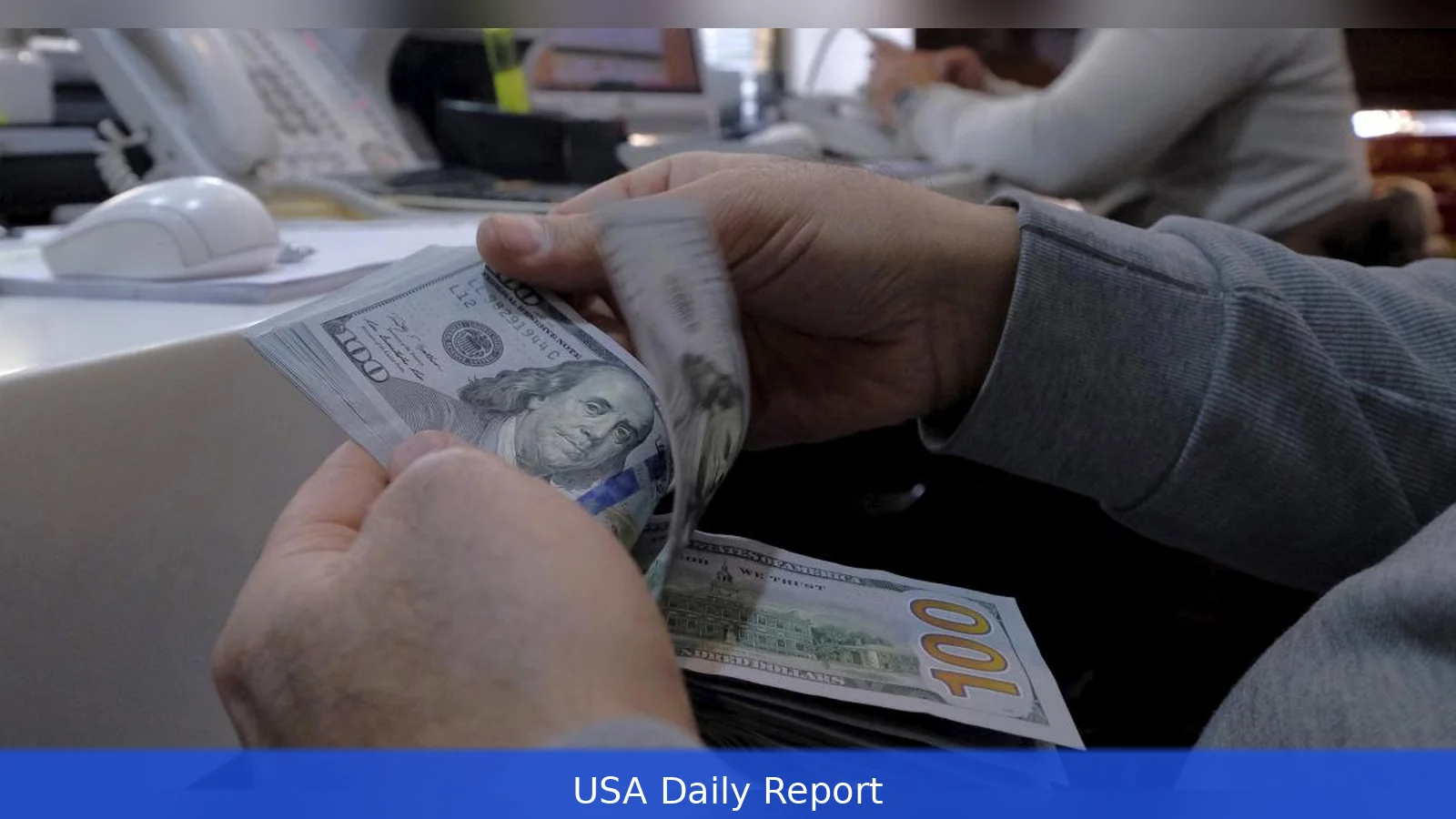
Traders pulled back, and the dollar gave back most of its Iran war premium after diplomatic signals eased fears of prolonged shipping disruptions through the Strait of Hormuz. The dollar index slipped back in late U.S. trading following earlier gains tied to fighting between the U.S. and Iran.
Markets pare war premium The dollar fell after a run of gains that followed the outbreak of fighting between the U.S. and Iran. Traders cut positions that had pushed the greenback higher when the conflict threatened shipping through the Strait of Hormuz, and the dollar index slipped back in late U.S. trading. Oil and inflation link U.S. crude and Brent futures were higher on the session. Higher oil has been one of the main reasons the dollar climbed in recent weeks — energy-driven price pressure can lift inflation and prompt central banks to lean toward tighter policy. As hopes for a diplomatic path between Washington and Tehran grew, that premium started to unwind. Ceasefire talks and headlines Diplomatic signals knocked down risk premia across markets. President Donald Trump said the war with Iran was "close to over," and reports said mediators were seeking to prevent a resumption of hostilities. Those developments pushed traders to reassess the odds of prolonged disruptions to Middle Eastern oil flows. What central bankers are watching - ECB officials said they were monitoring energy-market developments closely and noted that the situation around the Strait of Hormuz would be important for the ECB's next move on rates. - Several people familiar with ECB thinking told Reuters that policymakers remain cautious about moving as soon as this month, given a lack of firm evidence that an energy-led inflation shock is entrenched. Flows, safe-haven demand and positioning - Demand for U.S. assets remains firm; many institutional accounts still view U.S. Treasuries and dollar assets as go-to instruments when global uncertainty spikes. - That steady demand has helped cap the dollar's losses, despite reductions in premiums linked to the Iran conflict. - Traders are watching whether the ceasefire holds and have shifted attention from conflict headlines to growth data and monetary-policy expectations.Related Articles
- Stocks Rise as Traders Eye Iran Talks
- Iran 358 missile forces defense cost rethink
- Cash App launches parent-managed accounts for kids ages 6–12
Traders remain unsure whether talks and the ceasefire will hold, and they are watching incoming economic data and central-bank signals as the dollar trims its war premium.
This article was created with AI assistance.


