
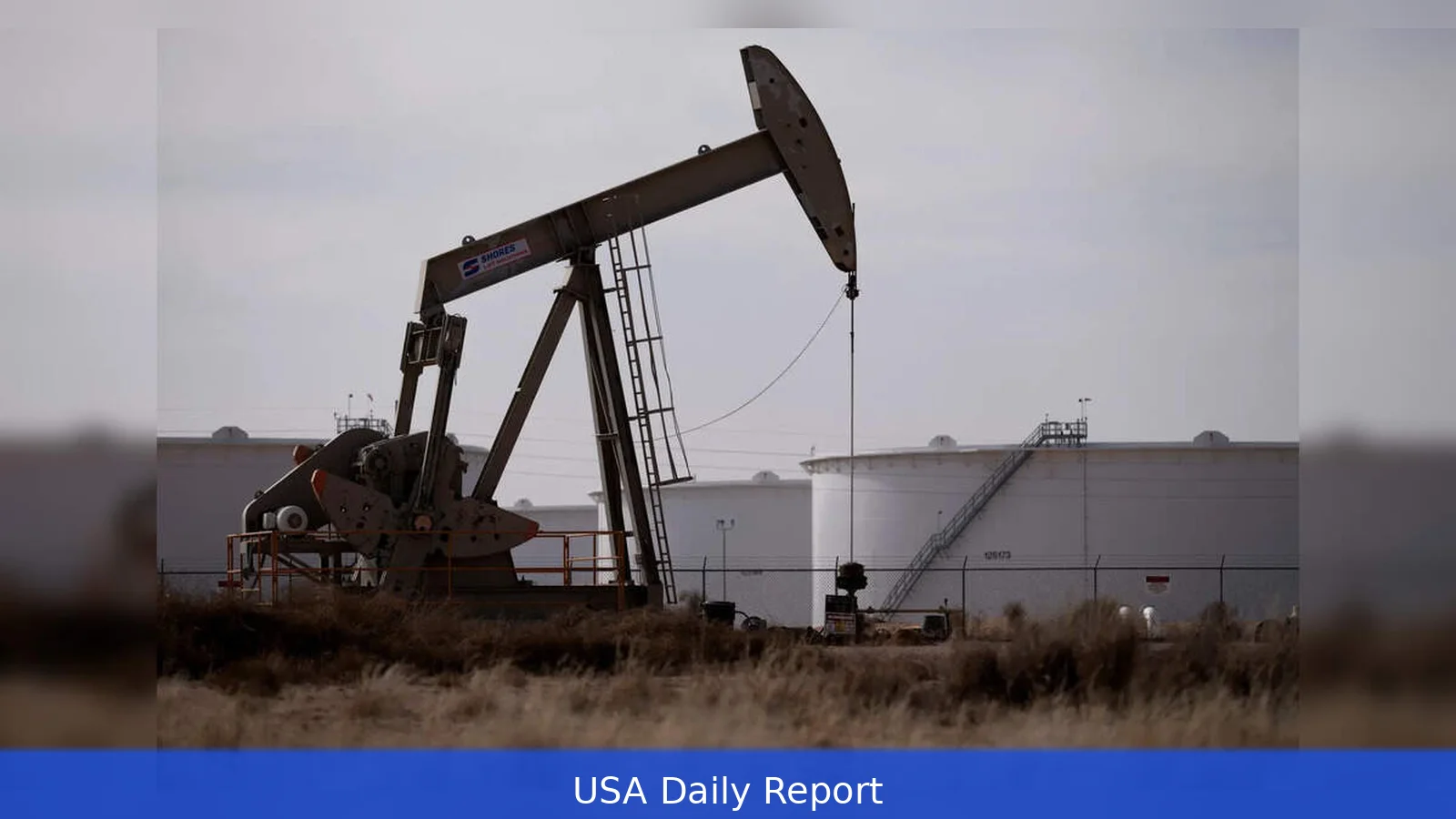
S&P 500 jumped 1% on Monday. Investors cheered signs Washington and Tehran may extend a ceasefire.
Markets shrug off earlier war jitters
The U.S. Stock market recovered ground Monday as hopes grew that the United States and Iran could buy more time to negotiate a ceasefire. The S&P 500 rose about 1%, the Dow Jones Industrial Average added roughly 301 points and the Nasdaq climbed around 1.2%, returning major indexes to levels seen before the recent U.S.-Iran fighting pushed prices lower.
Traders stayed cautious: oil spiked, shipping through the Strait of Hormuz was disrupted, and threats from Washington raised the risk of a wider conflict. Oil had spiked, shipping through the Strait of Hormuz was disrupted and threats from Washington raised the risk of a broader conflict. But signs that talks might continue — and that the worst-case scenario could be avoided — sent investors back into equities.
Sameer Samana, head of global equities and real assets at Wells Fargo Investment Institute, said markets were drawing encouragement from the fact that the two sides were talking and what appeared to be a fragile hold on a broader ceasefire. Those talks eased risk premiums, which had been depressing equities and lifting oil over the past weeks.
Earnings season gave the market a boost — big companies are starting to report and early beats can steady stocks.
Oil and shipping risks still move prices
Energy remains the main wild card. Brent crude moved down from its earlier jumps, though exact levels varied across trading snapshots: one snapshot of global benchmarks showed Brent nearer $95 a barrel, while another market close had Brent settling around $99.36.
Traders said pricing differences reflected choppy intraday moves tied to news about talks, shipping and potential blockades.
U.S. President Donald Trump had threatened measures to pressure Iran into reopening the Strait of Hormuz, a narrow artery that carries a sizable share of Persian Gulf oil exports. Iran answered with its own warnings about Gulf ports, keeping the region on edge and leaving a path for oil prices to move rapidly on any new escalation.
Markets are trying to balance two outcomes: a sustained supply shock that could push prices and inflation higher, or a return of crude flows that would support growth; traders are pricing between those scenarios. For now, traders appear willing to accept a lower oil premium as ceasefire hopes get priced in — but a reversal is never far away.
Dollar feeble, Treasuries steady
The dollar slipped as investors rotated out of the safe-haven currency and back into risk assets. The Bloomberg Dollar Spot Index was tracking a multi-day losing streak — its longest since late 2006 — as traders bet that reduced military risk would lower demand for the greenback.

At the same time, benchmark Treasury yields eased modestly. The 10-year Treasury yield fell to about 4.27% in one snapshot, after earlier moves higher when the conflict intensified. Lower yields reflect both a bit less fear of inflation from a sustained oil shock and a small bid for duration as geopolitical uncertainty ebbed.
Gold, another haven, ticked higher in the churn of trading as some investors still sought protection. But the stronger push into equities kept many portfolio managers light on metal exposure versus shares and corporate bonds.
Tech leads U.S. Gains; rotation under way
The rally was broad, but tech led the way as investors piled into software and other beaten-up names, lifting large-cap tech shares. Microsoft and Oracle were among big-cap winners, with software and cloud names drawing buying after recent weakness. The S&P 500 had climbed in the vast majority of recent sessions, and the Nasdaq showed a notable run of gains.
Matt Maley, chief market strategist at Miller Tabak, described the day as a rotation within the sector — investors selling some high-flying chip names and buying software and enterprise names that underperformed earlier. That pattern has supported a sharp reversal from last month’s selloff.
Corporate earnings also lent support. Big companies are beginning to report first-quarter results, and early beats could give stocks a more durable lift because, over time, share prices follow profits. Traders warned, though, that the rally could pause after such a big run, and that choppy sessions are likely while uncertainty over the region persists.
Asia and emerging markets react
Markets outside the U.S. Moved higher as the ceasefire chatter spread. The MSCI Asia Pacific gauge opened stronger, with about four stocks rising for every decliner in one snapshot. Japan’s Nikkei rose around 0.6% while South Korea’s Kospi gained roughly 1.4%; India’s Sensex recovered from early losses to finish well into positive territory, rising by several hundred points into the close.
Sensex performance showd that investors in emerging markets are sensitive to both commodity swings and global risk appetite. A reopening of trade routes and calmer Gulf diplomacy would help lower shipping premiums and ease costs for energy-importing nations.
That said, the impact differs by country. Net oil importers stand to benefit from lower crude, whereas exporters would face weaker revenues if shipments resume and prices fall materially. Policymakers and market participants will be watching movements in both crude and freight costs as talks proceed.
Diplomacy vs. Force — what traders priced
Traders are betting negotiators will extend the ceasefire and set up technical talks to reopen shipping lanes, which would reduce the immediate risk to oil supplies. A two-week extension or technical talks on reopening shipping lanes were among the scenarios discussed in diplomatic circles; negotiators reportedly are trying to set up technical meetings to tackle the thorniest issues.
Tim Waterer, chief market analyst at KCM Trade, said traders across Asia were clinging to the hope that fresh peace talks would materialize in the coming days, and that seeing oil trade below $100 a barrel combined with diplomatic momentum was breathing life back into stocks. Yet he added that the market’s calm depends on how real the talks turn out to be — and how quickly shipping can return to normal.
One short paragraph: the risk premium hasn’t disappeared. A single provocative event could send oil sharply higher again, and markets would react fast.
What to watch next
Investors will watch several things closely: the official word on any ceasefire extension, new details on maritime access through the Strait of Hormuz, upcoming corporate earnings, and fresh moves in energy prices. Each of those items will steer flows between stocks, the dollar, Treasuries and safe havens like gold.
For now, the market’s message is clear: traders are willing to look past the immediate fear if diplomacy holds at least long enough for negotiations to continue. But they’re keeping an eye on the headlines — and on oil.
Related Articles
"I can tell you that we've been called by the other side," President Donald Trump said outside the Oval Office.
This article was created with AI assistance.


