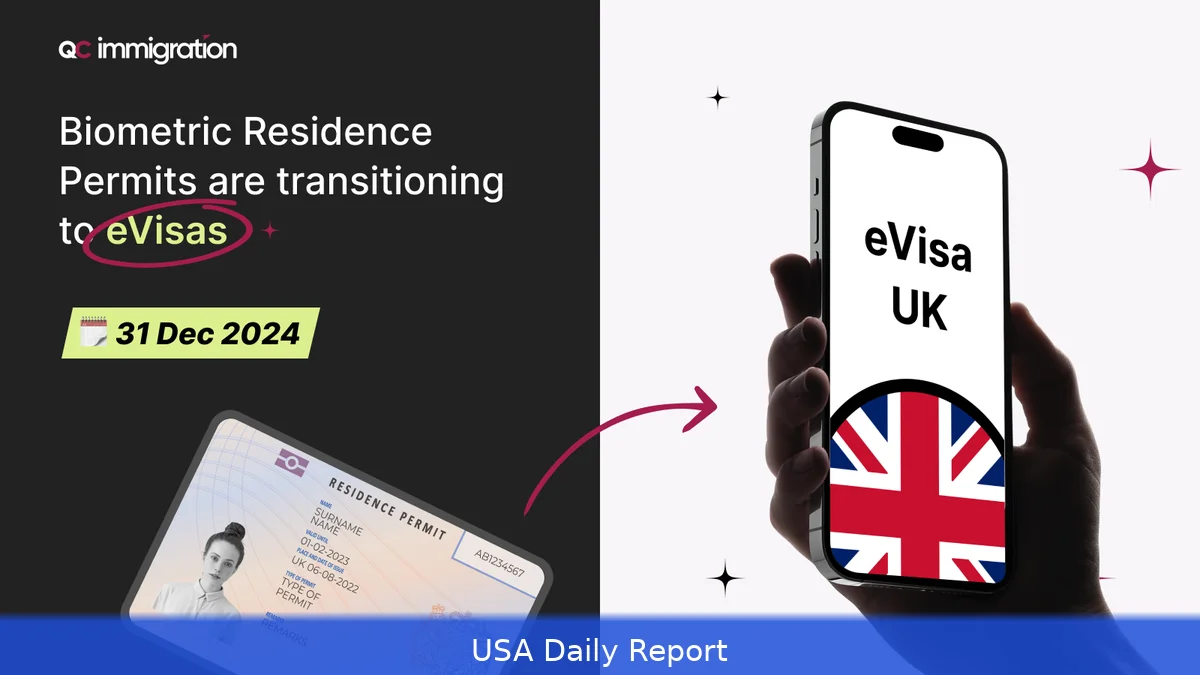
Starting January 12, 2026, the UK is replacing physical visa stickers and Biometric Residence Permits (BRPs) with digital eVisas. Here's what you need to know about who qualifies, how to apply, the costs, timelines, and what to expect as the transition unfolds.
Eligibility for the eVisa System
The UK’s new digital immigration system is set to affect many visa holders, especially those with Biometric Residence Permits (BRPs), visa stickers, and biometric residence cards. Beginning January 12, 2026, most people granted a UK visit visa, work visa, study visa, or other visa types will no longer receive a physical sticker in their passports. Instead, they’ll get an eVisa, which is a digital record accessible online.
Some visa categories actually have earlier deadlines for the transition. For example, applications submitted on or after October 30, 2025, for specific work, study, family visas, or indefinite leave to enter won't receive any visa sticker at all. These applicants must create and use a UK Visas and Immigration (UKVI) account to view their eVisa digitally. This includes categories such as Skilled Worker visas, Student visas, and family reunion visas.
The main applicants for work and study visas become eligible for the eVisa starting July 15, 2025. Starting October 30, 2025, the eVisa will also apply to those applying for settlement or family visas. This phased approach aims to smooth the transition and allow applicants to familiarize themselves with the new system before the full rollout in 2026.
The UK government introduced the eVisa system to modernize immigration and cut down on fraud. By moving to digital, the UK aims to provide faster visa processing times and easier access to visa details for travelers and border officers. The eVisa will be linked to your passport electronically, so you won’t have to carry or present a physical permit.
Who Doesn't Need an eVisa
Not everyone will switch to the eVisa system immediately. Travelers from visa-exempt countries will continue using the Electronic Travel Authorization (ETA) system for entry into the UK. The ETA is a separate digital authorization that travelers from countries like the US, Canada, Australia, and EU member states use for short visits without a visa.
Also, physical BRPs issued before the transition date remain valid until their expiry date. However, BRP holders are strongly advised to create a UKVI account even before their BRP expires to access their eVisa once the system fully switches over. This helps avoid any confusion or travel disruptions.
Visitors or residents who hold biometric residence cards for the EU Settlement Scheme will also be impacted by the change but on a slightly different timeline. The UK government recommends checking official guidance regularly to know exactly when you need to switch to the digital system depending on your visa type.
Application Process for the eVisa
Applying for and getting your UK visa will change with the switch to the eVisa system. Here’s a detailed step-by-step process:
- Create a UKVI Account: Head to the official UK government visa application portal at Gov.uk/apply-uk-visa. You’ll need to register with a valid email address and create a secure password. During registration, you’ll upload identity documents such as your current passport and any existing BRP or biometric residence card. Having these documents ready speeds up the process.
- Biometric Registration: After registering, you must visit an approved visa application center to provide your biometric information — fingerprints and a digital photo. Unlike the previous system, you won’t have to surrender your passport during this step. The biometric data links your identity to your digital visa and helps prevent fraud.
- Submit Application: Complete your visa application online for the category you’re applying for — whether it’s work, study, family, or settlement. The system will guide you through the forms and supporting documents needed. You’ll also pay visa fees at this stage, which vary by visa type. The system will then inform you if you will receive an eVisa only or a physical sticker, depending on your application date and visa category.
- Access Your eVisa: Once your visa is approved, you’ll receive an email notification. Your eVisa will be available to view and download via your UKVI account. While you don’t need to print it, carrying a printed copy is recommended for convenience during travel. Border officers can access your visa status electronically linked to your passport, but having the eVisa printout helps in case of technical issues.
The UK government plans to maintain or speed up visa processing times with the new eVisa system. Applicants should still apply well in advance — typically at least 3 months before travel — to allow for biometric appointments and decision times.
Costs and Fees
Visa fees remain based on the type of visa applied for. For example, a standard UK visit visa fee is around £100 (approximately $130), while work or study visas can range from £610 to over £1,400, depending on the visa length and category. Settlement visas generally have higher fees, around £1,523.
Biometric enrollment fees are included in the visa application fee, so there’s no separate charge. However, if you need to book a biometric appointment outside the standard visa process, fees can apply.
Switching to eVisas isn't expected to add extra costs for applicants but may save money by eliminating the need for physical document handling and postage.
Tips for a Smooth Transition
- Create your UKVI account as early as possible, even if your BRP is still valid.
- Keep digital and physical copies of all your immigration documents.
- Book biometric appointments promptly to avoid delays.
- Check specific visa category deadlines to know when you must apply digitally.
- Make sure your passport is valid for the duration of your planned stay plus extra time for processing.
- Use the official UK government visa website for all applications to avoid scams.
Common Mistakes to Avoid
- Waiting too close to travel dates to apply — biometric appointments and processing can take weeks.
- Not creating or regularly checking your UKVI account after application submission.
- Failing to upload clear, valid identity documents during registration.
- Assuming physical BRPs remain valid indefinitely — they expire and must be replaced by eVisas after transition.
- Neglecting to print or save a copy of your eVisa for travel.
- Contacting unofficial third-party services that charge extra fees.
The UK’s shift from physical BRPs to digital eVisas starting in 2026 marks a big change for visa applicants. Setting up a UKVI account early, completing biometric registration on time, and understanding the new digital rules will keep your travel plans on track. Stay informed by regularly checking the official UK government website for the latest updates and deadlines.


