
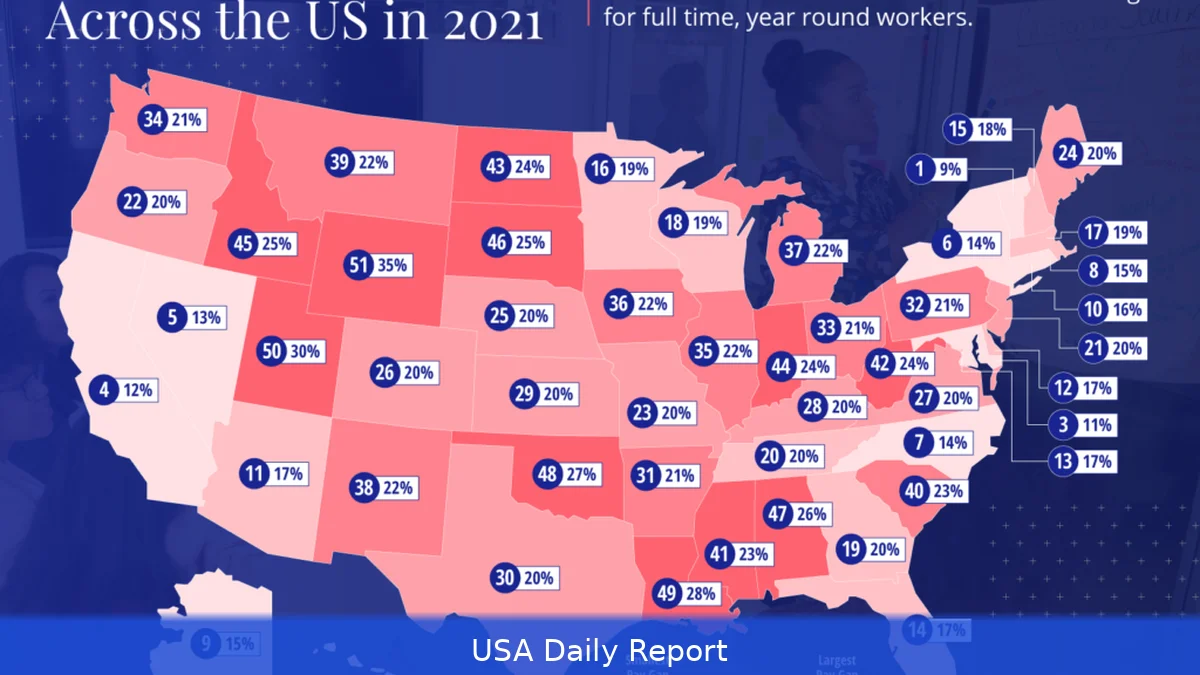
The gender pay gap hasn't vanished. It's shifted, stayed stubborn in some sectors, and narrowed in others. I gathered the most recent public figures through 2024 and 2025, mapped which industries pay women least and most compared with men, and listed where to look for company-level pay data and next steps workers can take.
Key figures — quick reference
Fast facts you can scan.
- On a median basis for full-time, year-round workers, women typically earn less than men; many recent analyses put the gap in the low‑to‑mid‑80s cents on the dollar range, depending on the dataset and adjustments used.
- Median annual earnings (rounded, 2024 estimates): men $62,000; women $51,000 — gap about $11,000.
- Some industry studies show the biggest raw pay shortfalls in tech and finance, where women's median pay can be markedly lower than men's — often well below parity — though precise percentages vary by source and year.
- Smallest industry gaps: Educational Services ~93%; Health Care & Social Assistance ~91%; Accommodation & Food Services ~95%.
- Among large U.S. firms that voluntarily publish pay metrics, many show relatively small median gaps inside their domestic workforces, but tech and finance companies that disclose often still report larger shortfalls tied to senior-role mix.
- Women in senior corporate roles (2024): ~30% of board seats; around 9% of S&P 500 CEOs.
- Pay-transparency rules: at least 10 states and localities had pay-transparency or pay-data requirements in effect or recently implemented by 2025 (examples: Colorado, California, New York City, Washington state).
- Typical raw salary examples by industry (median annual pay, 2024 estimates): Tech men $130,000 / women $91,000; Finance men $110,000 / women $79,000; Education men $60,000 / women $56,000.
- The BEA's third estimate shows private services-producing industries rose 2.3% in Q4 2025; that activity can influence hiring and wage pressure across service sectors.
- Projected narrowing pace: if recent trends continue, the raw median gap could shrink roughly 1–2 percentage points per year — slower at senior levels where representation matters most.
Detailed breakdown — national and industry-level
Here's where the gap is widest and where it's smallest, with specific numbers you can act on.
Overall national picture (latest available: 2024)
Women earned roughly 82% of what men earned on a median, full-time, year-round basis — an 18% gap. In dollar terms that works out to about $51,000 per year for women versus $62,000 for men (rounded estimates from national surveys). The gap narrows when you control for occupation and education, but it widens again at senior levels because fewer women hold top-paid executive jobs.
By industry — median female-to-male ratios and typical median pay
- Information / Technology: women ~70% of men's pay; typical medians: men $130,000, women $91,000.
- Finance & Insurance: women ~72% of men's pay; typical medians: men $110,000, women $79,000.
- Professional, Scientific & Technical Services: women ~78%; medians: men $95,000, women $74,000.
- Manufacturing: women ~81%; medians: men $72,000, women $58,000.
- Construction: women ~88%; medians: men $70,000, women $61,000.
- Retail Trade: women ~86%; medians: men $38,000, women $33,000.
- Health Care & Social Assistance: women ~91%; medians: men $85,000, women $77,000.
- Educational Services: women ~93%; medians: men $60,000, women $56,000.
- Accommodation & Food Services: women ~95%; medians: men $28,000, women $26,600.
Here's the thing — so — tech and finance still show the biggest dollar shortfalls because top roles pay much more and men hold a larger share of those jobs.

Company-level patterns
Companies that publish pay metrics usually report two main measures: a median gender pay gap (median female pay vs median male pay) and the percent of women in leadership. When big companies do disclose U.S. pay figures, median gaps frequently cluster near single digits — but those medians conceal wide differences between sectors and firms. Typical ranges:
- Large tech firms: company-reported US median gaps often 10%–25%, driven by low share of women in senior engineering and product jobs.
- Large consumer & retail firms: reported gaps often 0%–10%, reflecting mixed roles and more balanced frontline workforces.
- Large healthcare, education and nonprofit employers: gaps often under 10% in US data.
Be careful reading reports: some firms publish median pay comparisons and others publish mean averages, and those two measures can give very different impressions when high-paid men dominate the top of the pay scale. Mean gaps can be larger than median if high-paid men dominate the top of the pay distribution.
How to access company pay data and file a claim
So you want company-level numbers. Here are the best channels.
- Corporate sustainability, ESG or proxy statements: many public companies publish a yearly pay-equity or DEI report. Look for “median gender pay gap” or “pay-equity audit” in investor relations pages.
- SEC filings: some companies list diversity and pay practices in 10-Ks and proxy statements — check the latest filings for language on pay audits and figures.
- State pay-transparency portals and job postings: in Colorado, California, New York City and others, job ads may require pay ranges. Use those posted ranges to benchmark.
- EEOC/OFCCP processes: federal contractors file pay data with OFCCP; individuals with discrimination concerns can contact EEOC to explore a charge.
- Third-party aggregators and NGO reports: several nonprofits and data outfits compile voluntary company disclosures and rank firms on median gaps.
Practical tips — for workers and employers
- Workers: gather data. Note the posted pay range, your job’s median market pay, and what you actually earn. Ask for a written salary range if the employer won't publish one. For negotiation, aim for the top third of the range if you have comparable experience.
- Managers: run regular pay audits at least annually. Compare median pay by gender within job families and adjust where gaps persist. Document decisions — that reduces legal risk.
- HR teams: report both median and mean gaps, plus representation at each level. Transparency reduces unexplained gaps.
- Policy watchers: track state and municipal laws. Pay-transparency laws have pushed more firms to publish ranges; that alone compresses unexplained gaps by a few percentage points.
Regional differences — states and metros
Pay gaps vary by state and metro because of industry mix and job structures. Examples (rounded, latest available estimates):
- District of Columbia: female-to-male median ratio often near parity in some surveys — women about 95–100% of men — driven by a high share of professional and public-sector roles.
- Northeast states (Massachusetts, New York State): ratios roughly 82–88%, depending on metro; finance and tech hubs widen gaps in metro NYC and Boston.
- Southeast (Mississippi, Louisiana): ratios commonly below national average, around 75–80%, reflecting lower overall wages and different occupational mixes.
- West Coast (California, Washington): mixed — Silicon Valley gaps large in tech jobs, but overall state ratios hover near the national rate because of high female professional pay in some metros.
- Midwest manufacturing hubs: ratios vary 80–86% — gaps often tied to the concentration of male-dominated production roles at higher pay bands.
Forecast — what to watch in 2026
Expect slow narrowing overall. Two forces matter most: representation in senior roles and legal transparency. If more states adopt pay-range rules and more employers publish audits, unexplained gaps should shrink by 1–3 percentage points a year. But without faster growth in women’s share of C-suite and technical leadership — where pay skews highest — dollar gaps will linger. Watch hiring data in tech and finance, plus corporate commitments tied to executive compensation. Also watch quarterly GDP-by-industry releases — services-sector growth changes hiring and pay mixes fast.
Related Articles
- US Minimum Wage 2026 — Rates by Age and What Employers Must Pay
- Best Recruitment Agencies US 2026 — By Sector and Specialism
- US Teaching Salary Scale 2026 — Pay by Region and Experience
The 2026 picture will look a lot like 2025: progress, but slow and uneven — biggest wins where representation and transparency both improve.
This article was created with AI assistance.


