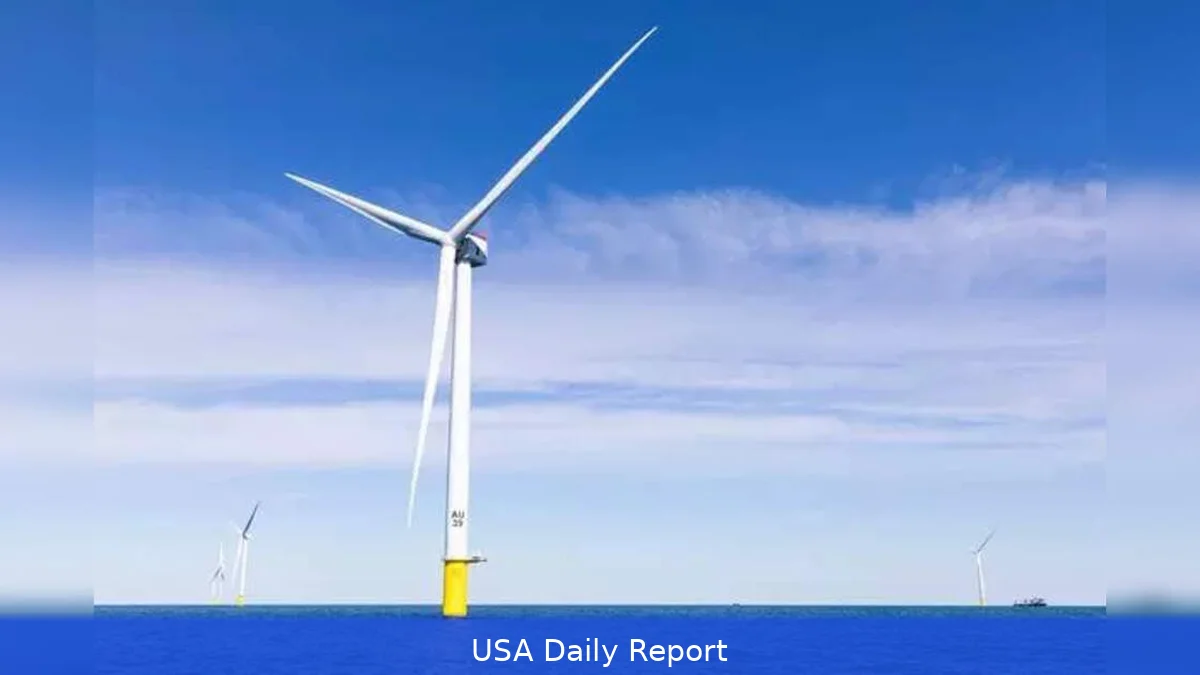
Turbine trouble has turned legal. Vineyard Wind filed suit to stop GE Renewables from walking away.
Why the lawsuit landed
Vineyard Wind, the developer behind the $4.5 billion offshore wind farm south of Martha’s Vineyard, sued GE Renewables this week in Suffolk County Superior Court. The company is asking a judge to block GE Vernova’s decision to terminate turbine construction and maintenance contracts effective April 28. The filing says GE’s exit would leave the project — already struggling with technical setbacks and delays — unable to function as designed.
Look, the dispute boils down to money and accountability. GE Vernova says Vineyard Wind owes roughly $300 million for work performed. Vineyard Wind counters that GE Renewables still owes about $545 million tied to a blade collapse last July and the ripple effects it caused.
Construction on the 62-turbine, roughly 800-megawatt farm wrapped up in March, and the project has been feeding some power into the grid since 2024. But Vineyard Wind argues those turbines aren't yet at the performance level required to sustain the project’s financing without ongoing support from the turbine maker.
One short sentence here.
Blade collapse and the fallout
In July 2024, a fiberglass blade came apart and fragments washed onto Nantucket beaches during peak summer tourism. That incident forced the removal and replacement of many blades — 68 of 72 installed at the time, according to court filings — and left local businesses and residents alarmed.
GE Vernova later agreed to a $10.5 million settlement to compensate island businesses that suffered losses after the blade failure.
Honestly, vineyard Wind’s lawsuit says that GE Renewables’ "inexcusably poor performance" set the project back nearly two years. The filing argues the remaining work needed to bring turbine capacity and reliability up to contract standards can only be done by GE Renewables, which supplied the proprietary equipment and technology.
That’s a key part of Vineyard Wind’s case: swapping suppliers may not be realistic. The suit warns it would be "virtually impossible" to find another turbine supplier willing to take over, and even if one could be found the costs to make the project attractive again to a replacement supplier could be prohibitive.
Money, loans and looming payments
Thing is, the financial clock is ticking. Vineyard Wind faces scheduled loan payments on a roughly $2 billion financing package this summer, the company told the court. If turbine maintenance and service are interrupted, the filing says lenders could demand repayment or trigger foreclosure — a scenario Vineyard Wind calls an existential threat to the farm’s operating phase.
The developer also argued the project promises sizable savings for electricity customers. Craig Gilvarg, spokesman for Vineyard Wind, said the company expects about $3.7 billion in savings to electric customers over the life of the project and that the lawsuit aims to make GE Renewables honor its obligations "to the people of Massachusetts and New England who are relying on the significant power and economic benefits this project is already providing."
GE Vernova has a different view. The company told reporters it’s exercising a contractual right to terminate agreements because of nonpayment for services rendered. In a corporate statement, GE Vernova said it remains committed to safety and will defend its legal position. The company has pointed to not enough bonding at one of its factories in Canada as the cause of the 2024 blade failure and said there was no indication the design itself was faulty.
Operational reality and political drag
Even before the legal fight, the project weathered political headwinds. The Trump administration criticized the farm and last December issued an executive action that temporarily halted some activity tied to federal approvals. Before that, Vineyard Wind had already delivered power and, according to reporting, at one point was generating enough electricity to serve roughly 50,000 homes.
But the lawsuit stresses that despite producing some electricity, none of the 62 active turbines are ready to be handed off without further support from GE Renewables. Vineyard Wind told the court the turbines haven’t met contractual output and reliability metrics required to sustain the financing through the operation phase.
On the technology front, the project was built around GE Vernova’s proprietary turbine systems. That lock-in makes it harder to switch manufacturers. And replacing a major turbine supplier midstream would likely require fresh capital, renegotiated contracts and regulatory approvals — a costly, time-consuming lift.
What each side says in court
Vineyard Wind's complaint paints GE Renewables as chronically late and underperforming, saying the contractor's "deficient performance" caused repeated delays and cost overruns across the multi-year build. The filing asks the court to order GE to fulfill its service and maintenance obligations so the farm can reach the output levels lenders and power purchasers expect.
GE Vernova argues it performed work under the contracts and has a legal right to stop after unpaid bills piled up. The company declined to provide a named executive's comment in the filings made public, instead issuing statements through corporate channels that defended its record and emphasized safety. That leaves the dispute to be hashed out in court.
Construction may be finished, but the project’s operational viability is now entangled with litigation.
Stakeholders and local impact
The blade collapse left a visible mark on coastal communities, and the $10.5 million settlement to island businesses acknowledged that harm. Local officials and business owners welcomed the compensation at the time. But the new lawsuit shifts worry from tourism to longer-term questions about clean energy supply, regional grids and contract enforcement.
Vineyard Wind says the farm will deliver clean power and customer savings over decades; GE Vernova warns that unpaid bills and contract disputes justify ending work. Neither side appears willing to yield ground yet. The court will now decide whether GE Renewables can walk away or must keep servicing and finishing the work.
Keep in mind: if the court sides with Vineyard Wind and forces GE to stay, GE could still pursue damages or other remedies later. If the court allows GE to terminate, Vineyard Wind may need to scramble for new technical partners and fresh capital to keep the turbines online and lenders satisfied.
Photographs of turbine blades staged for installation in New Bedford appeared in local coverage last year; David L. Ryan of the Boston Globe provided one such image documenting work at the site. The image capture showd how closely local media and residents have followed the project from its early days through this dispute.
Hearing details have been set quickly. A court hearing is scheduled for Thursday to address Vineyard Wind’s request for injunctive relief.
Related Articles
- Gas Spike Puts Gig Workers on the Defensive
- RBNZ Tightens Messaging as FMA Pushes OCR Pass-Through Transparency
- Bitcoin Rallies After Treasury-Linked Stablecoin Forecast Goes Viral — But the $1.5 Quadrillion Claim Comes From Chainalysis
A hearing is scheduled Thursday in Suffolk County Superior Court to consider Vineyard Wind’s request to force GE Renewables to continue work.


