Overdraft fees often catch people off guard and can quickly eat into their bank accounts. In 2026, overdraft fees still differ from bank to bank, and some charge quite a bit. Luckily, there are ways to avoid paying more than you need to. This guide breaks down the fees by bank and shows you how to dodge them step-by-step.
Overview of Overdraft Fees in 2026
An overdraft fee happens when you spend more money than you have in your checking account, and the bank covers the transaction anyway. Instead of declining your payment, the bank lets it go through but charges you a fee. In 2023 alone, banks earned over $5.8 billion from overdraft and non-enough funds (NSF) fees combined, showing how common and costly these charges can be. Since then, overdraft fees have remained a big source of revenue for many banks.
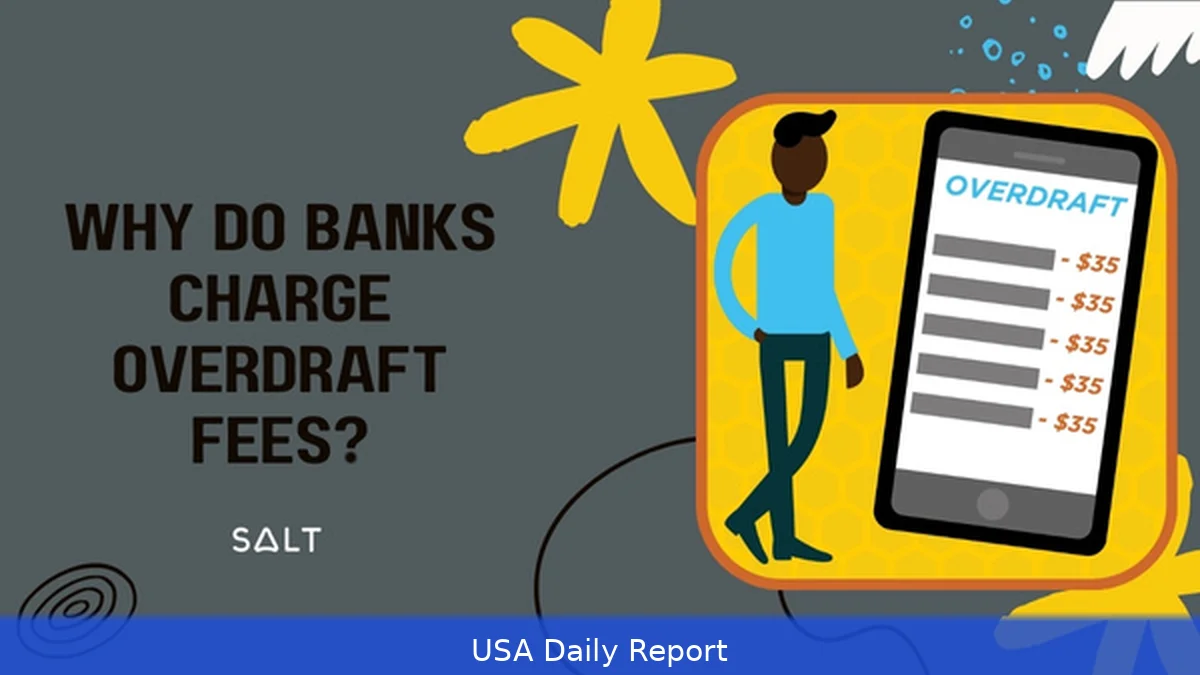
In 2026, overdraft fees still vary widely by bank. Some institutions charge as little as $10 per overdraft, while others hit you with fees up to $35 per transaction. Depending on how many transactions you overdraft in a day, these fees can add up quickly. For example, if you overdraft four times at a bank charging $35 per item, you could pay $140 in fees in a single day.
The daily maximum cap on overdraft fees also differs. Some banks limit your total daily overdraft fees to around $90, while others allow fees to accumulate up to $175 per day.
This cap means that if you overdraft multiple transactions in one day, you won’t be charged beyond the set limit. Still, the total fees can be a heavy hit to your finances.
Besides the overdraft fees for transactions banks approve despite not enough funds, there are also NSF fees when banks reject payments due to a lack of funds. These NSF fees often range from $25 to $35 per declined transaction. That means whether your bank covers or declines the payment, you could face a charge either way.
US Overdraft Charges by Major Banks in 2026
Here’s a snapshot of overdraft fees at some of the biggest US banks in 2026 to help you compare and plan:
- Chase Bank: Charges $34 per overdraft transaction, with a daily maximum fee of $136. Chase allows up to 4 overdraft fees per day before hitting the cap.
- Bank of America: Charges $35 per overdraft, capping at $175 per day. Bank of America also offers a one-time courtesy overdraft fee waiver for eligible customers.
- Wells Fargo: $35 per overdraft item, capped at $175 daily. Wells Fargo has a policy allowing customers to opt out of overdraft protection on debit card and ATM transactions.
- CitiBank: Charges $34 per overdraft, with a daily maximum of $136. Citi offers some customers overdraft protection if they link a savings account or credit card.
- US Bank: Slightly lower fee at $30 per overdraft, max $90 daily. US Bank provides an optional overdraft protection plan where linked savings cover overdrafts for a $12 transfer fee instead of the full overdraft fee.
If your bank declines a payment because you don’t have enough money, they often charge an NSF fee that’s about the same as an overdraft fee.
For example, both Bank of America and Wells Fargo charge $35 for NSF items, making these fees just as costly as overdrafts.
Some smaller banks and credit unions may offer lower overdraft fees or even fee-free overdraft protection options. It’s worth shopping around if overdraft fees are a concern.
Step-by-Step: How to Avoid Overdraft Fees
Avoiding overdraft fees is simpler than you might think. Follow these steps to keep your account safe in 2026 and avoid costly fees:
- Know Your Balance: Regularly check your account balance online or through your bank’s mobile app. Most banks update balances in real time, so you won’t get caught off guard. For example, Chase and Bank of America provide instant balance updates and transaction alerts to help you stay on top.
- Set Up Alerts: Enable low-balance alerts to get notified by text or email when your account dips below a certain threshold, like $50. This early warning can help you avoid spending more than you have. Many banks, including Wells Fargo and Citi, offer customizable alerts through their apps.
- Link Savings to Checking: Many banks let you link a savings account to cover overdrafts automatically. When your checking account balance goes negative, funds transfer from savings to cover the shortfall. US Bank, for example, charges just $12 per transfer instead of a full overdraft fee. Linking accounts can be a simple, cost-effective safety net.
- Opt Out of Overdraft Coverage: You can ask your bank not to cover overdrafts on debit card and ATM transactions. This means transactions will be declined if you don’t have enough money, avoiding overdraft fees but sometimes causing inconvenience. Banks like Wells Fargo and Bank of America allow customers to opt out easily by contacting customer service or updating preferences online.
- Use Overdraft Protection Plans: Some banks offer overdraft protection plans that link your checking account to a credit card or line of credit. If you overdraft, the bank transfers funds from the linked source. For instance, Citi and Chase provide such options, often charging a small transfer fee rather than a full overdraft fee.
- Keep a Buffer: Try to maintain a buffer in your checking account—say $100 or more—to avoid accidentally overdrafting. Treat this buffer as untouchable unless it’s an emergency.
- Monitor Your Spending: Use budgeting tools offered by your bank or third-party apps to track your spending habits. Limiting discretionary spending and knowing when bills are due can prevent overdrafts.
- Set Up Direct Deposit: Having your paycheck directly deposited can improve your cash flow management and reduce the chance of overdrafts.
Tips to Manage and Reduce Overdraft Fees
Here are some additional tips to keep overdraft fees low or zero in 2026:
- Look for banks or credit unions with no overdraft fees or low fees. Some online banks offer no-fee overdraft protection.
- Take advantage of banks that offer one-time overdraft fee waivers for customers in good standing.
- Consider prepaid debit cards with overdraft features or reloadable cards that don’t allow overdrafts.
- Use cash or debit cards carefully, and avoid writing checks without enough funds.
- Call your bank if you accidentally overdraft. Some banks may refund fees as a courtesy, especially for first-time overdrafts.
Common Mistakes to Avoid
Many people get hit with overdraft fees because of simple errors. Avoid these common mistakes:
- Not checking your balance regularly. Relying on memory or outdated information can lead to overdrafts.
- Ignoring bank alerts or notifications about low funds.
- Assuming pending transactions have cleared. Pending holds can reduce available balance and cause overdrafts if you spend too much.
- Failing to understand your bank’s overdraft policy and fees. Always read the fine print.
- Not setting up overdraft protection or opting out without planning alternative safeguards.
- Overdrafting multiple times in a single day, which multiplies fees quickly.
Overdraft charges in 2026 still hit hard, with top banks charging up to $35 per incident and daily caps reaching $175. But you can avoid these fees by monitoring your balance, setting alerts, linking savings accounts, and choosing the right overdraft protection plan. Knowing your bank’s policies and using the tools available can save you hundreds each year.


