If you’re an immigrant in the US curious about your pension rights in 2026, here’s a straightforward guide. We'll cover how National Insurance (NI) credits and the state pension work for immigrants who have ties to both the US and the UK, helping you understand what benefits you can claim and how to plan your retirement income.
What Are US Pension Rights for Immigrants?
US pension rights for immigrants refer to the set of rules and benefits that non-US-born workers can access when it comes to retirement income, specifically through the Social Security system. These rights determine how your work history in the US and sometimes abroad affects your eligibility to receive a pension once you retire. It’s important because if you work and pay into Social Security in the US, you earn credits that count toward your pension. These credits are the building blocks for your future financial stability.
For immigrants who split their time between the US and the UK, National Insurance (NI) credits also come into play. NI credits are the UK’s version of Social Security contributions. If you live or work in the UK, these credits count toward your eligibility for the UK state pension. Since many immigrants have worked in both places, knowing how these systems work together can help you get the most from your pension.
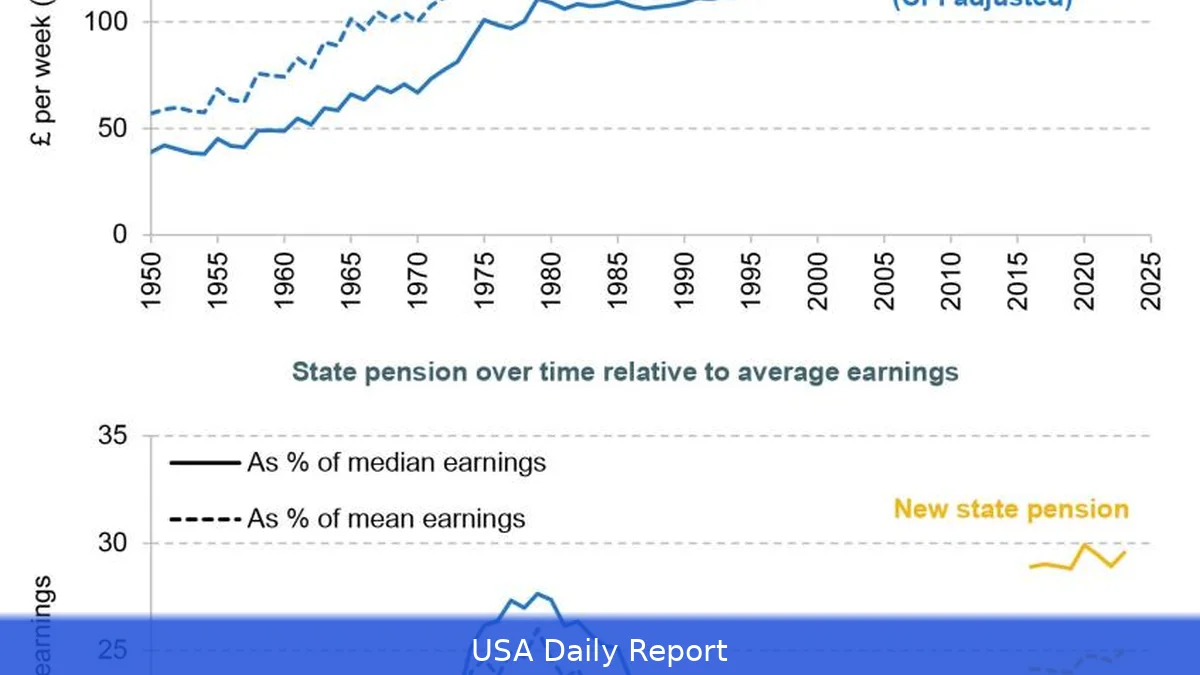
In 2026, the rules around these pensions remain quite similar to previous years but with some adjustments for inflation and wage growth that affect benefit amounts. For example, the average full UK state pension in 2026 is projected to be around £203.85 per week, up from £203.15 in 2025.
In the US, the average monthly Social Security retirement benefit in 2026 will probably be about $1,790, reflecting a 3.2% cost-of-living adjustment from 2025.
Immigrants must understand these figures and the qualifying criteria to plan effectively. Social Security and NI credits aren't interchangeable on their own, but bilateral agreements between the US and UK can help combine work credits to qualify for benefits in both countries.
How Do NI Credits and State Pension Work?
National Insurance credits are payments or credits that count toward your UK state pension. You earn them mainly by working and paying National Insurance contributions. However, you can also get NI credits automatically in certain situations, such as when you’re caring for children, unemployed and claiming benefits, or sick and unable to work. For 2026, you need 35 qualifying years of NI credits to receive the full UK state pension, which is about £10,600 annually.
For immigrants, even if you have gaps in your UK work history, you might still qualify for credits under certain conditions. For example, parents or caregivers can receive NI credits without paying contributions. This system helps many immigrants who may have had breaks in employment due to family or migration reasons.
In the US, Social Security credits, or quarters of coverage, depend on how much you earn. In 2026, you earn one Social Security credit for every $1,640 in earnings, up from $1,510 in 2025. You can earn up to four credits per year. To qualify for Social Security retirement benefits, you generally need 40 credits, which usually means 10 years of work.
The amount of pension you receive from Social Security depends on your earnings history, the age you start claiming benefits, and the number of years you worked. For example, if you retire at your full retirement age (which varies depending on your birth year), you’ll receive a benefit based on your highest 35 years of earnings. Starting benefits earlier than full retirement age will reduce your monthly payment.
If you worked in both the US and UK, the US-UK Social Security agreement lets you combine your credits to qualify for benefits.
This helps immigrants who don’t have enough credits in one country alone. The agreement lets you total your credits to meet minimum requirements for pensions in both countries.
For instance, if you worked five years in the UK and eight years in the US, the combined total of 13 years can help you qualify for a partial pension from both systems. The benefits are then calculated based on your actual work history in each country. This agreement applies to people who have worked in the US and UK since 1978, the year it came into force.
Why Does This Matter for Immigrants?
Retirement income is crucial for immigrants’ financial security later in life. Many immigrants move between countries for work, family, or better opportunities. Without knowing how your work history and contributions count in the US and the UK, you might miss out on benefits you’ve earned.
Take someone who worked 15 years in the UK and then moved to the US and worked another 15 years. Without the bilateral agreement, they might not qualify for a full pension in either country. But with the combined credits, they can get partial benefits from both, boosting their retirement income.
Also, understanding these rules helps immigrants avoid costly mistakes. For example, claiming benefits too early in the US can reduce monthly payments permanently. Knowing when and how to claim, and how your UK NI credits affect your overall pension, can make a big difference.
Immigrants also often deal with language barriers and tricky paperwork. Being aware of your rights and the support available can help you navigate the system more confidently. The Social Security Administration and UK’s Department for Work and Pensions provide bilingual resources and guidance for immigrants.
Finally, pensions give you peace of mind by ensuring some income after you stop working. That security can influence decisions about where to live, work, and retire.
How to Get Started with Your Pension Rights
First, gather your work history documents from both countries. In the US, your Social Security statement shows your earnings and credits. You can get this for free online at the Social Security Administration’s website. In the UK, your National Insurance record is available through the government’s online portal, showing your qualifying years and credits.
Next, check how many credits you have in each country. If you’re close but don’t meet the minimum, look into the bilateral agreement to see if combining years helps. You can contact the Social Security Administration or the UK Department for Work and Pensions for specific advice based on your case.
Then, plan when to claim your pensions. In the US, the earliest you can claim Social Security retirement benefits is age 62, but full retirement age depends on your birth year—between 66 and 67 for most people retiring in 2026. In the UK, the state pension age is currently 66 for both men and women, with plans to increase it to 67 by 2028.
Applying early is important because pension systems often don’t pay retroactively for long past periods. The Social Security Administration recommends applying about three months before you want your US benefits to start. In the UK, you should apply four months before reaching state pension age.
Finally, keep your contact information updated with both governments. Immigrants sometimes face delays because of outdated addresses or missing documents. Staying in touch helps avoid missed payments or lost benefits.
Common Questions About US Pension Rights for Immigrants
Can I get a full pension if I only worked part of my life in the US or UK? Usually, no. You typically need 40 credits in the US or 35 qualifying years in the UK for a full pension. But the US-UK agreement lets you combine work credits for partial benefits from both countries.
What if I didn’t pay into Social Security or National Insurance? Without contributions or credits, you generally won’t qualify for state pensions. However, certain NI credits can be given automatically, like for caring responsibilities. In the US, no credits means no Social Security retirement benefits, though other programs may help.
Does my immigration status affect my pension rights? Your work history and contributions matter most. Even non-citizens who legally work and pay into Social Security or NI can qualify for pensions. However, living outside the country after retirement may affect payment rules.
Can I receive my US and UK pensions if I live outside both countries? Yes, but payment rules vary. Social Security benefits can often be paid worldwide, but some countries have restrictions. UK state pensions can be paid overseas, but the amount may not increase annually unless you live in certain countries.
Where can I get help with pension questions? Contact the Social Security Administration at 1-800-772-1213 or visit ssa.gov in the US. In the UK, contact the Department for Work and Pensions at 0800 731 7898 or visit gov.uk. Both have resources for immigrants and can answer specific questions.
Understanding your US pension rights as an immigrant in 2026 means knowing how NI credits and state pensions work across countries. Keep track of your work history, apply early, and use official government resources to ensure you get the benefits you’ve earned. Planning ahead makes a real difference in securing your retirement income.


