
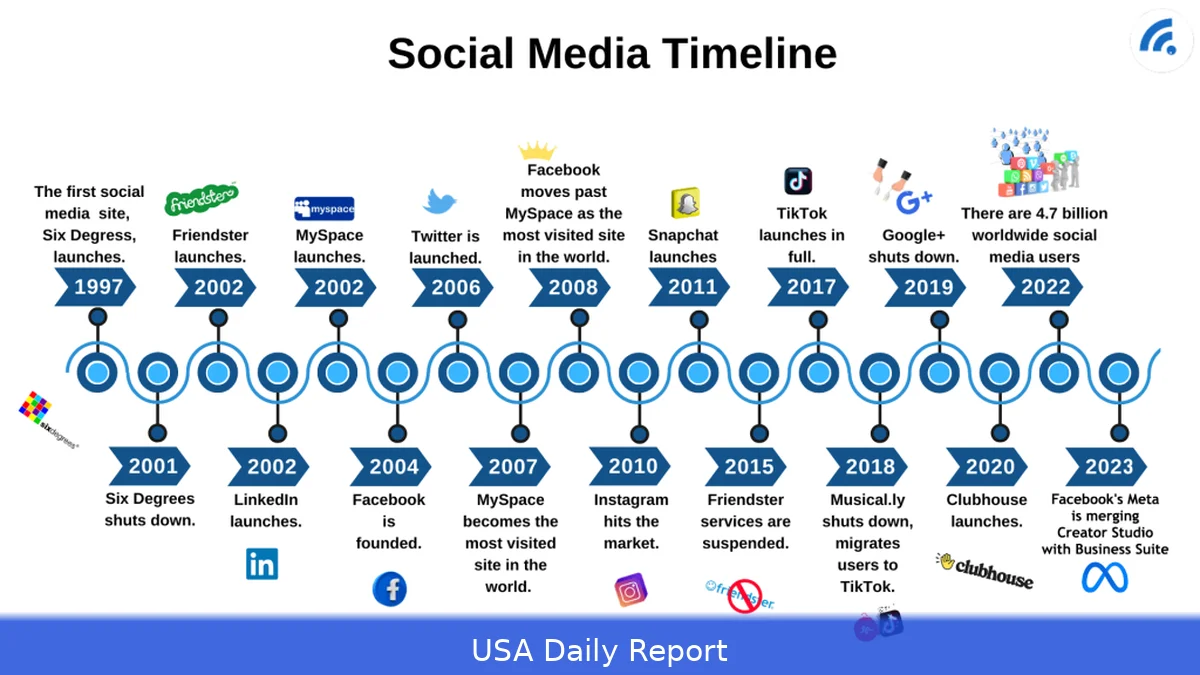
American social media platforms changed the way people around the world connect, share, and communicate. From the rise of Facebook to the viral power of TikTok, these platforms didn't just change messaging—they rewrote the rules of global interaction. Here, we explore how American social media transformed global communication, cultural exchange, and the flow of information. Readers will learn about the origins, mechanisms, and impacts of these platforms on societies worldwide, including both their empowering potential and the challenges they bring. If you use social media daily or just want to understand it better, this guide breaks down how American innovation turned it into a worldwide phenomenon.
Origins of American Social Media and Its Global Reach
Social media as we know it started to take shape in the early 2000s. Platforms like Myspace and Friendster laid the groundwork, but it was the arrival of Facebook in 2004 that marked a turning point. Founded in the U.S., Facebook's approach—real identity, user-friendly design, and open network—set it apart. Americans created a blueprint for what social interaction online could look like: a blend of personal sharing, public discourse, and media consumption.
But it wasn't just Facebook. Twitter, Instagram, Snapchat, and later TikTok emerged from American tech hubs. Each platform carved its niche, offering novel ways to communicate—whether through short bursts of text, photos, ephemeral stories, or short videos. Thanks to venture capital and a culture that encourages innovation, the U.S. tech scene quickly developed and spread these platforms worldwide. These platforms didn't stay domestic; they spread worldwide, often faster than local alternatives could respond.
Several factors helped these platforms go global. English played a role, but so did their easy-to-use design and availability on mobile devices. The rise of smartphones, especially iPhones and Android devices, made social media accessible everywhere. No matter your background, these platforms offered a doorway to a global conversation.
They erased geographical barriers, allowing people from different continents to connect in real time.
Yet, this global expansion wasn’t just about technology. It reflected broader trends—globalization, the internet's spread, and a hunger for new communication forms. American platforms arrived at the right moment, capturing the zeitgeist of a connected world eager to share stories, ideas, and culture instantly.
Changing Communication Styles and Social Norms
American social media changed how people communicate, shifting from traditional, often formal exchanges to more casual, immediate interactions. Platforms like Twitter popularized brevity. The 280-character limit forced users to condense thoughts, sparking a new style of punchy, impactful communication. This influenced not only social media but also journalism, marketing, and politics worldwide.
Visual communication skyrocketed too. Instagram’s focus on images and videos turned storytelling into a multimedia experience. Snapchat introduced disappearing messages, emphasizing spontaneity and privacy. TikTok’s short-form videos brought creativity and entertainment to the forefront. These formats democratized content creation, letting anyone become a storyteller or influencer.
Social norms evolved alongside these new modes. Sharing personal details became commonplace, blurring public and private boundaries.
Hashtags created new ways to organize conversations, rally around causes, or join viral trends. The idea of ‘going viral’ emerged as a new cultural currency, with content reaching millions overnight.
But these changes also sparked tensions. The immediacy and informality can fuel misunderstandings or spread misinformation rapidly. Cultural differences sometimes clash with platform norms rooted in American values like free speech and individualism. Users worldwide adapted, blending local traditions with global digital behaviors, creating a hybrid communication culture shaped by American platforms but diverse in expression.
Impact on Global Politics and Social Movements
American social media platforms didn't just influence casual chats—they altered political landscapes. They became tools for activism, organization, and information dissemination. Movements like the Arab Spring showed how social media could bypass state-controlled media, mobilize protests, and amplify marginalized voices. Though these platforms originated in the U.S., their impact spread everywhere.

Social media gives people unusual access to political conversations. Voters worldwide use it to follow candidates, debate policies, and engage in civic life. Politicians harness these tools for campaigns, fundraising, and direct communication. However, this influence comes with risks. Platforms have been exploited for misinformation, propaganda, and foreign interference, challenging democracies globally.
The American design of these platforms—open networks, viral sharing, algorithmic feeds—can intensify polarization. Echo chambers form as users engage mostly with like-minded content. That dynamic complicates efforts to foster constructive political dialogue. Yet, social media also enables grassroots mobilization and international solidarity, giving rise to movements that transcend borders.
It's important to grasp both sides of this impact. American social media platforms are powerful agents of change, reshaping how people engage with politics and society worldwide. Their role in global communication continues to evolve as societies grapple with balancing openness, security, and truth.
Economic and Cultural Globalization Through Social Media
American social media platforms became engines of economic and cultural globalization. Brands use these channels to reach global audiences instantly, revolutionizing marketing and commerce. Small businesses can now advertise worldwide without massive budgets. Influencers build careers by engaging followers across countries. This new digital economy thrives on the connectivity these platforms provide.
Culturally, these platforms spread American pop culture globally—from music and movies to fashion and slang. Yet, they also serve as conduits for cultural exchange. Users share local traditions, arts, and ideas, exposing audiences to diverse perspectives. That creates a dynamic interplay: American culture influences global users, but global users reshape content and trends, fueling a continuous cycle of cultural blending.
Social media has also changed entertainment consumption. Algorithms tailor content to individual preferences, while viral challenges and memes create shared cultural moments worldwide. However, concerns arise about cultural homogenization and the dominance of American cultural products. Still, social media’s open nature allows space for minority voices and alternative cultures to flourish alongside mainstream trends.
For businesses and creators, understanding this global audience is key. Successful engagement requires balancing localized content with universal appeal. American platforms provide the infrastructure, but the content and culture come from a global mosaic of users, reflecting the complex realities of a connected world.
Challenges: Privacy, Misinformation, and Regulation
American social media platforms face intense scrutiny over privacy, misinformation, and regulation. Privacy concerns revolve around how user data is collected, stored, and shared. The U.S. Approach to data privacy differs from regions like the EU, leading to clashes over standards and user protections. Global users often find themselves caught in the middle, navigating platforms with policies shaped primarily by American laws and corporate interests.
Misinformation presents another major challenge. The speed and scale of content sharing make it easy for false information to spread. This undermines public trust, fuels conflict, and complicates crisis response. Platforms have implemented fact-checking, content moderation, and algorithm adjustments, but critics argue these measures fall short or raise censorship concerns.
Regulation is a growing battleground. Governments worldwide seek to hold platforms accountable for harmful content, data protection, and market dominance. The U.S. Government debates how to balance innovation with oversight, while other countries impose stricter controls or even block platforms outright. That creates a fragmented regulatory environment complicating platform operations and user experiences.
For users and policymakers alike, navigating these challenges requires awareness and engagement. Understanding how American social media platforms operate helps in advocating for fairer, safer, and more transparent digital spaces globally.
The Future of Global Communication and American Platforms
Looking ahead, American social media platforms will continue shaping global communication but face new pressures.
Emerging technologies like augmented reality, virtual reality, and AI-driven content will transform how people interact online. Platforms must innovate to stay relevant while addressing growing demands for privacy, transparency, and ethical design.
Global competition is rising too. Platforms from other countries challenge American dominance, often tailoring experiences to local cultures and regulations. That could lead to a more fragmented digital world or new forms of international cooperation and standards.
Users will likely demand more control over their data and experience. Decentralized social networks and blockchain-based platforms propose alternatives to centralized control but face scalability and adoption hurdles. American platforms may need to adapt or risk losing users to these emerging models.
At the end of the day, the story of American social media and global communication is still unfolding. What remains clear is their profound influence on how billions connect, share, and shape the world’s conversations every day.
American social media platforms rewrote the global communication playbook. They made the world smaller, faster, and more connected. But with this power comes complexity—cultural shifts, political consequences, and ethical dilemmas. For users, understanding these platforms means navigating their benefits and risks wisely. For creators and policymakers, it means shaping a digital future that values openness, diversity, and responsibility. Bookmark this guide as a roadmap to the ongoing evolution of our global digital conversations.
This article was created with AI assistance.


