Planning to move to or stay in the US in 2026? Here's what you should know about the so-called US Health Surcharge—who pays it, how much it costs, and how to deal with it. We'll cover eligibility, costs, how to apply, regional differences, and what might change in the future.
Eligibility for the US Health Surcharge in 2026
The US Health Surcharge is supposedly a fee some visa applicants and residents must pay to help cover healthcare costs while living in the US. In 2026, this surcharge applies primarily to non-citizens applying for temporary or permanent visas who don't have access to the US public health system through other means. The surcharge supports the US healthcare infrastructure by ensuring that incoming residents contribute toward the cost of public health services they might use.
Those who must pay include:
- Applicants for work, study, or family visas lasting more than 6 months, including H-1B work visa holders, F-1 students enrolling for full-time studies, and family-sponsored non-immigrant visa applicants.
- Individuals applying for permanent residency (green card holders), including employment-based, family-based, and diversity lottery winners.
- Visitors who plan to stay beyond typical short-term periods without private insurance, which means some long-term business visitors and exchange visitors may also be subject to the surcharge.
Exemptions apply for certain groups like US citizens, refugees, and asylum seekers. Specifically, refugees and asylum seekers are exempt as their healthcare is often covered through other federal programs. Some short-term visa holders, such as tourists on B-2 visas or business visitors on B-1 visas who stay less than 6 months and hold private insurance, may also be exempt based on visa category and length of stay.
Also, diplomats, representatives of international organizations, and their families are typically exempt from the surcharge. The eligibility rules also take into account dual-status individuals — for example, someone switching from a non-immigrant to immigrant status may need to pay the surcharge at different stages.
In 2025, approximately 4.2 million visa applicants were subject to the health surcharge. This number will probably rise by 3-5% in 2026 due to increasing visa applications and longer average stays. Understanding whether you must pay the surcharge is critical to avoid delays in visa processing or entry into the United States.
Application Process
Thing is, the surcharge is collected during the visa application process through official US government immigration portals, such as the USCIS online system or Department of State visa application websites. When you apply for your visa, you will be prompted to pay the surcharge online before your application can proceed. If you don't pay the surcharge on time, your visa processing might get delayed or even denied.
Payment methods accepted include major credit cards like Visa, MasterCard, American Express, and Discover, as well as electronic bank transfers in some cases. The system is designed to be user-friendly, showing clear payment confirmation and issuing a digital receipt immediately after payment.
Make sure to keep your payment receipt—it might be needed at the border, visa interviews, or when you get healthcare in the US. Some visa holders may be asked to present this receipt to prove surcharge payment compliance.
Remember, paying the health surcharge is separate from visa fees and doesn't guarantee healthcare coverage but allows access to public health services under US regulations. The surcharge functions as a contribution toward potential healthcare costs during your stay but doesn't replace private health insurance requirements or obligations.
In 2025, the average processing time for surcharge payment confirmation was under 24 hours, with most applicants completing the payment step within 48 hours of starting their visa application. The US government recommends paying the surcharge at least 2 weeks before planned travel to avoid any last-minute issues.
Costs of the US Health Surcharge in 2026
For 2026, the US Health Surcharge rates are as follows:
- Adults (18 and over): $650 per year
- Children (under 18): $450 per year
- Family rates: Total surcharge calculated based on number of adults and children included in the visa application, with no additional discounts for multiple children.
This represents a slight increase from 2025 rates, which were $600 for adults and $400 for children. This surcharge must be paid upfront for the entire duration of the visa or residency period applied for, meaning if your visa is valid for 3 years, you multiply these rates by 3.
For example, a family of two adults and two children applying for a 2-year visa would pay:
- Adults: 2 x $650 x 2 years = $2,600
- Children: 2 x $450 x 2 years = $1,800
- Total surcharge: $4,400
According to the article, the US government has raised the surcharge gradually over five years, starting at $500 for adults and $300 for kids in 2021. This steady increase reflects rising healthcare costs nationwide.
Some visa holders may also face additional healthcare-related fees depending on their visa type or state of residence, but the health surcharge is the primary federal requirement.
Regional Differences
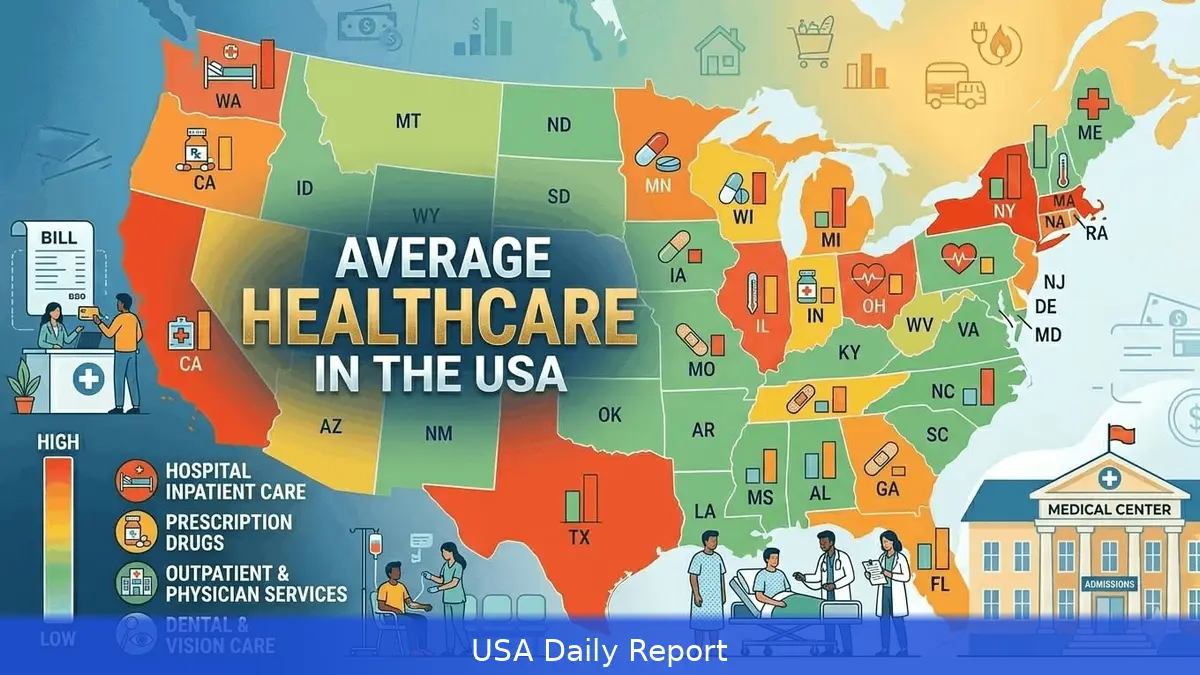
Though the surcharge is federal, the article claims some differences depend on which state you plan to live in. States with higher healthcare costs like California, New York, and Massachusetts often see visa holders purchasing additional private insurance beyond the surcharge due to high medical expenses.
In contrast, states with lower healthcare costs such as Texas, Florida, and Ohio generally experience fewer additional healthcare expenses for visa holders beyond the surcharge. However, the surcharge amount itself remains uniform across all states.
Healthcare access also varies regionally. Urban areas tend to have more public health facilities accepting surcharge-paying visa holders, while rural areas may have limited options. This can affect the practical value of the surcharge for available services.
Some states have enacted their own supplemental health fees or require proof of private insurance for visa holders as part of state-level regulations, but these are separate from the federal surcharge.
In 2025, the highest number of surcharge payments came from applicants intending to reside in California (approx. 22%), Texas (15%), and New York (12%). These states account for nearly half of all surcharge payments nationwide.
Forecast and Upcoming Changes
Looking ahead, the US Health Surcharge will probably increase modestly in 2027, with projected adult rates rising to $700 per year and child rates to $500 per year. These estimates are based on current trends in healthcare inflation and government budget planning.
The US government is also considering policy changes to expand surcharge applicability to short-term visa holders who stay longer than 3 months, which could affect millions more visa applicants.
Technology upgrades to the payment system are planned, aiming for integration with more visa application platforms and faster processing times. This should make the surcharge payment process smoother and reduce administrative errors.
Finally, ongoing discussions exist about linking the surcharge payment to specific healthcare benefits or insurance plans, but as of 2026, the surcharge remains a standalone fee without direct insurance coverage.
Visa applicants and residents should watch for official announcements in late 2026 regarding 2027 surcharge rates and potential eligibility changes. Staying informed will help avoid surprises and ensure compliance with all health-related immigration requirements.
Related Articles
- US Graduate Visa 2026 — 2 Years Post-Study Work Rights Explained
- US Family Visa 2026: How to Bring Parents, Children, and Partners to the United States
- US Youth Mobility Visa 2026: Countries, Age Limit, and How to Apply
The US Health Surcharge in 2026 is a mandatory fee for many visa applicants and residents, with adult rates at $650 and child rates at $450 per year. It must be paid upfront with visa applications, covering the entire visa period. The fee supports access to public health services but doesn't replace private insurance. Regional healthcare costs and access vary, but the surcharge remains a fixed federal amount nationwide. Expect modest increases in the coming years and potential eligibility expansions.


