
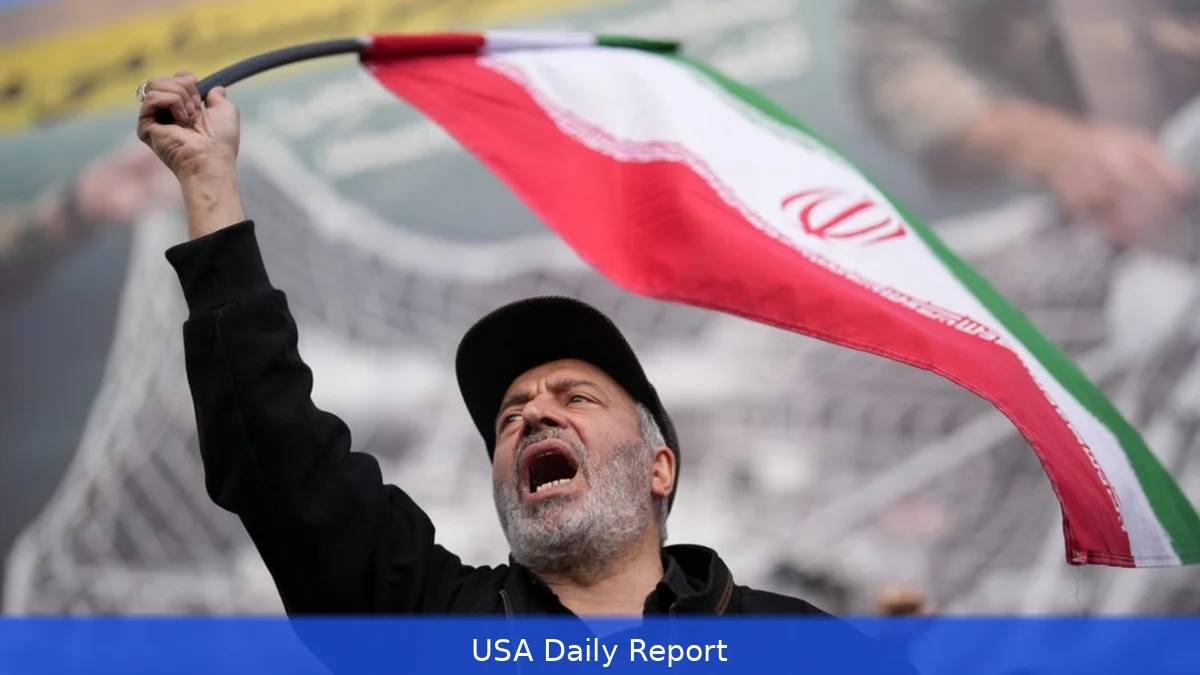
Thousands of pro-government supporters gathered in Tehran, waving flags and chanting in response to a newly announced ceasefire between the US and Iran. The move signals a rare pause in escalating tensions that have rattled the Gulf region over the past month.
Tehran’s Show of Support
On the streets of Tehran, pro-regime demonstrators expressed their backing for the recent ceasefire deal signed between Iran and the United States. The crowds waved Iranian flags and chanted slogans supporting the government’s stance after officials in both countries agreed to a conditional truce lasting two weeks. The ceasefire announcement got a strong reaction in Tehran, showing the regime can still rally its supporters despite growing international pressure.
The ceasefire deal came after weeks of conflict that involved targeted strikes by Israel and the US on Iranian forces and facilities. Iran retaliated by launching attacks on various locations throughout the Gulf region, raising fears of a wider military confrontation. Many were surprised by the sudden ceasefire, especially after the recent intense fighting.
Terms of the Ceasefire
The deal depends on one main condition: if the US stops attacking, Iran promises safe passage for ships through the crucial Strait of Hormuz. This narrow waterway is a crucial artery for global oil shipments, with roughly one-fifth of the world’s petroleum passing through annually. Any disruption there sends shockwaves through energy markets worldwide.
Pakistan’s Prime Minister Shehbaz Sharif helped mediate the talks and said the ceasefire started right away. The involvement of a regional player like Pakistan shows the broader geopolitical stakes and the desire among neighboring countries to prevent conflict from spiraling further.
Why It Matters for the US and Global Economy
For Washington, this ceasefire offers a short break from military tensions with Iran and a chance to try diplomacy in a volatile region. The US has long viewed Iran as a destabilizing force in the Middle East, especially because of its nuclear ambitions and support for proxy groups.

That said, still, the ceasefire’s success depends on both sides sticking to their commitments, which has been a challenge in the past. This region’s history of trust deficits and proxy conflicts means any misstep could reignite violence quickly.
Economically, the deal might calm worries about a blockade or attack on the Strait of Hormuz, which could disrupt oil exports and push up global energy prices. Such disruptions have ripple effects on inflation and economic growth worldwide. For the US, keeping oil flowing through this chokepoint helps stabilize domestic fuel prices and supports allied economies dependent on Middle Eastern oil.
Regional and Political Implications
The ceasefire carries bigger political implications. Iran’s government can portray the pause as a diplomatic win, showing it can withstand pressure from the US and Israel. Meanwhile, the US must balance its approach carefully—showing strength without pushing Iran into further confrontation.
Pakistan’s role as mediator highlights the increasing influence of regional players in managing conflicts that have global repercussions. It also reflects the complex web of alliances and rivalries in the Middle East and South Asia.
Still, the ceasefire is just temporary. The underlying disputes over Iran’s nuclear program, its regional activities, and US sanctions remain unresolved. Without a full diplomatic framework, the risk of renewed conflict lingers.
For Tehran, the ceasefire provides breathing room to regroup and manage internal pressures, especially as the Iranian public faces economic hardships made worse by sanctions and political isolation.
Observers around the world are watching to see if this ceasefire leads to longer talks or just a break before fighting starts again.
Related Articles
- Seoul appeals court hands ex-first lady Kim Keon Hee 4-year sentence
- Sinai live-fire drills revive Oct. 7 fears
- Gas tops $4.18 as consumer confidence inches to 92.8
The two-week ceasefire between the US and Iran marks a fragile step toward easing a tense standoff that has unsettled the Gulf and global markets. But with deep-rooted issues still unresolved, the region’s stability remains uncertain.
This article was created with AI assistance.


